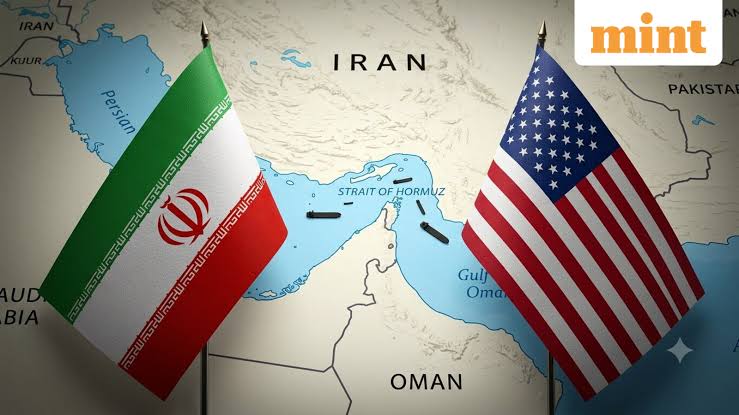
Iran has said it will reopen the strategically important Strait of Hormuz if the United States withdraws its forces from the Middle East, escalating its confrontation with Washington over regional security and control of vital maritime routes.
Iranian army spokesman Mohammad Akraminia made the declaration on Friday, October 16, saying the withdrawal of American forces would pave the way for the reopening of the waterway and the establishment of regional security arrangements.
“If the United States leaves the region, the Strait of Hormuz will reopen and collective security will be established with the participation of the countries of the region, and the global economy will improve,” Akraminia wrote on X, according to CBS News.
He added: “If it does not leave, we will expel it.”
The statement did not clarify whether Tehran was demanding the withdrawal of all American military forces across the Middle East or specifically those deployed in connection with the ongoing conflict.
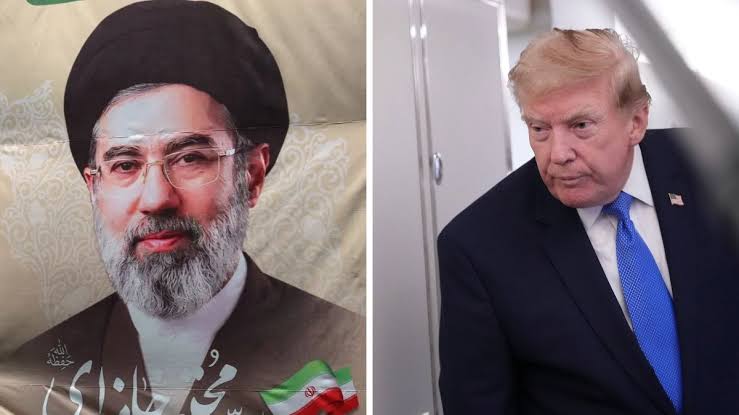
The announcement comes amid heightened tensions between Iran and the United States, with the status of the Strait of Hormuz emerging as a central issue in efforts to end hostilities and restore normal commercial shipping.
The narrow waterway, located between Iran and Oman, connects the Persian Gulf with the Gulf of Oman and the wider Arabian Sea.
It is one of the world’s most important energy transit routes, carrying substantial volumes of crude oil and liquefied natural gas destined for international markets.
Any sustained disruption to shipping through the strait threatens energy supplies, increases transportation costs and can trigger volatility in global oil prices.
Recent reports indicate that commercial vessels have faced significant security risks in the area.
Maritime monitoring authorities have reported multiple strikes on ships in the waterway during the week, raising concerns about the safety of crews and the movement of international cargo.
Iran’s latest declaration also highlights the continuing disagreement between Tehran and Washington over who should control security arrangements in the Gulf.
While Iranian officials have portrayed the withdrawal of foreign forces as a pathway to regional stability, Washington has maintained a different position on maritime security and its military presence in the region.
The two countries have also struggled to reach an agreement on reopening the strait and resolving the broader conflict.
Earlier in October, Iran’s security chief, Mohsen Rezaei, described the American response to Tehran’s reopening proposal as insufficient. Iran has insisted that its conditions must be addressed before a comprehensive reopening arrangement can be achieved.
Diplomatic efforts involving regional intermediaries have sought to bridge the differences, but significant disagreements remain over military operations, maritime restrictions and the terms of a potential settlement.
The latest statement could further complicate negotiations by linking the reopening of an international shipping route directly to the withdrawal of American forces.
However, it remains unclear whether Iran’s declaration represents a formal negotiating position or a warning intended to increase pressure on Washington.
For oil-importing countries, shipping companies and international markets, the immediate concern remains whether the confrontation will continue to disrupt commercial traffic through the Gulf.
A lasting resolution would require not only progress between Tehran and Washington but also credible security arrangements capable of protecting vessels and ensuring safe passage through one of the world’s most consequential maritime corridors.
As diplomatic efforts continue, the Strait of Hormuz remains a major pressure point in the conflict, with the potential consequences extending well beyond the Middle East.