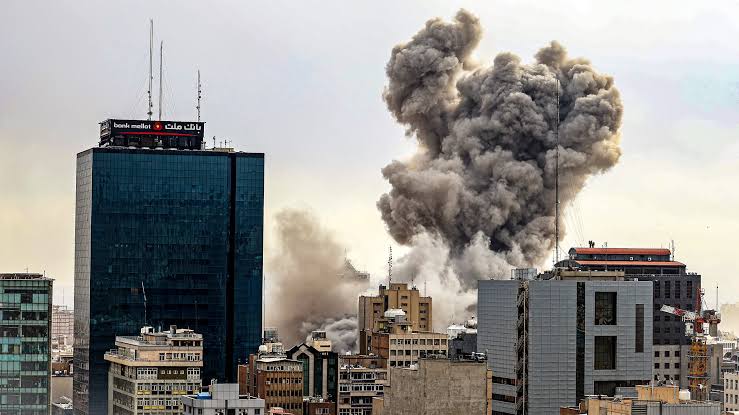
The United States has dramatically expanded its military campaign against Iran, striking bridges, an airport and other transportation infrastructure in what marks one of the most significant escalations since fighting between the two countries intensified earlier this year.
The latest round of attacks targeted what U.S. officials described as military logistics infrastructure used to move troops, weapons and supplies across southern Iran.
According to international media reports, bridges near the strategic port city of Bandar Khamir and facilities at Iranshahr airport were among the sites hit during overnight operations.
The strikes represent a shift in Washington’s strategy from primarily targeting missile launch sites, drone facilities and military bases to attacking transportation networks that the United States says are critical to Iran’s military operations.
Officials quoted by Reuters and the Associated Press said the objective was to weaken Iran’s ability to reinforce positions around the Strait of Hormuz, the narrow waterway through which roughly one-fifth of the world’s seaborne oil passes.
Images circulating on social media and published by several international news organizations showed sections of damaged bridges and smoke rising from areas near southern Iranian infrastructure.
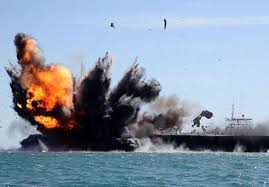
Iranian authorities acknowledged that transportation facilities had been struck but accused Washington of deliberately expanding the conflict by attacking civilian infrastructure.
Iranian officials condemned the attacks as violations of international law, insisting that many of the targeted facilities also serve civilian populations.
Tehran said emergency crews had been dispatched to assess damage and restore transportation links in affected areas.
The latest operation comes after U.S. President Donald Trump warned that Washington would broaden its military campaign unless Iran eased pressure on shipping through the Strait of Hormuz and returned to negotiations.
American officials have maintained that the strikes are intended to reduce Iran’s ability to threaten commercial shipping and regional security rather than to seek regime change.
Iran responded by launching fresh missile and drone attacks against U.S. military facilities and allied positions across the Middle East.
Reports indicated that bases in Bahrain, Kuwait, Oman and Syria were among the locations targeted, while regional air defence systems intercepted several incoming projectiles.
The widening exchange has heightened fears that the conflict could spread beyond the Gulf and draw additional regional actors into direct confrontation.
The deteriorating security situation has also rattled global energy markets.
Shipping through the Strait of Hormuz has become increasingly disrupted as insurers raise premiums and some vessels delay voyages amid security concerns. Oil prices climbed again on worries that any prolonged interruption to tanker traffic could tighten global crude supplies and fuel inflation worldwide.
Analysts say the decision to strike transportation infrastructure signals a more aggressive phase of the campaign. Bridges, airports and ports are viewed as vital components of Iran’s military logistics network, enabling rapid movement of personnel and equipment between strategic locations.
Military experts quoted by several international publications noted that damaging such infrastructure could slow Iranian military operations but also risks broader economic disruption and humanitarian consequences if civilian access is affected.
The renewed violence has further dimmed prospects for diplomacy.
Efforts by regional mediators to revive negotiations have stalled following the collapse of an earlier ceasefire, while both Washington and Tehran continue to exchange warnings of further action if attacks persist.
Although U.S. officials have indicated that diplomatic channels remain open, neither side has shown signs of backing away from military operations.
International concern is mounting over the possibility of a prolonged conflict affecting global trade, aviation and energy supplies.
Governments across Europe, Asia and the Gulf have urged restraint, warning that continued escalation could have consequences far beyond the Middle East. Several countries have updated travel advisories, while shipping companies continue to monitor developments in one of the world’s busiest maritime corridors.
As both sides intensify military operations, the strikes on bridges and airport facilities underscore how the conflict has evolved from attacks on military installations to broader infrastructure, raising the stakes for regional stability and increasing uncertainty over whether diplomacy can still prevent a wider war.