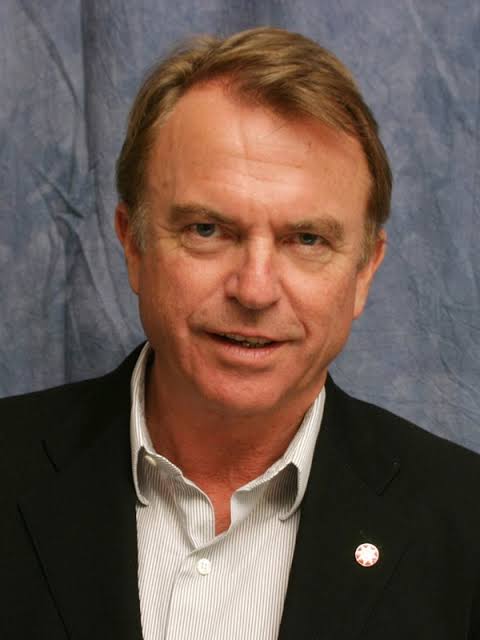
The film industry is mourning the loss of veteran actor Sam Neill, who has reportedly died at the age of 78.
Neil best known to millions around the world as the courageous paleontologist Dr. Alan Grant in Steven Spielberg’s blockbuster Jurassic Park, Neill leaves behind a remarkable legacy spanning more than five decades in film and television.
Unlike many of his contemporaries who embraced the glamour and relentless publicity of Hollywood, Neill spent much of his life deliberately distancing himself from the celebrity lifestyle.
Instead, he chose the quiet countryside of New Zealand, where he devoted time to farming, winemaking, family, and a slower pace of life that he often described as far more rewarding than life under the spotlight.
Born Nigel John Dermot Neill on September 14, 1947, in Omagh, Northern Ireland, Neill moved with his family to New Zealand as a child.
After studying English literature, he found his passion in acting, eventually joining New Zealand’s thriving theatre and film scene before attracting international attention in the late 1970s.
His breakthrough came with the psychological thriller Omen III: The Final Conflict (1981), but it was his starring role as Dr. Alan Grant in 1993’s Jurassic Park that transformed him into one of Hollywood’s most recognizable faces.
Directed by Steven Spielberg, the groundbreaking dinosaur adventure became one of the highest-grossing films of its era, revolutionizing visual effects and redefining the modern blockbuster.
Neill reprised the role in Jurassic Park III (2001) before making an emotional return alongside original co-stars Laura Dern and Jeff Goldblum in Jurassic World Dominion (2022), delighting longtime fans of the franchise.
Throughout his career, Neill refused to be defined solely by dinosaurs. He delivered memorable performances in acclaimed productions including The Hunt for Red October, The Piano, Event Horizon, Dead Calm, The Horse Whisperer, and television dramas such as Peaky Blinders and The Tudors.
His versatility earned admiration from critics and audiences alike, allowing him to move effortlessly between thrillers, historical dramas, romance, science fiction, and independent cinema.
Despite global fame, Neill repeatedly expressed discomfort with Hollywood’s obsession with celebrity culture. Rather than settling permanently in Los Angeles, he returned home whenever filming wrapped.
He often joked that he preferred tending sheep and cattle to attending glamorous red-carpet events.
One of his greatest passions was his vineyard, Two Paddocks, located in Central Otago, New Zealand. There, Neill became a respected winemaker, frequently sharing stories about vineyard life with fans through interviews and social media. Friends often remarked that he appeared happiest walking through his vines or caring for his animals rather than attending film premieres.
In interviews over the years, Neill spoke candidly about finding fulfillment in ordinary life. He believed success should never come at the expense of personal happiness and often encouraged younger actors to avoid becoming consumed by fame.
His down-to-earth personality made him one of the industry’s most respected figures. Colleagues frequently described him as warm, humorous, generous, and remarkably humble despite his international success.
In 2023, Neill revealed that he had been diagnosed with a rare form of blood cancer known as angioimmunoblastic T-cell lymphoma.
He openly discussed his treatment while promoting his memoir, Did I Ever Tell You This?, explaining that writing had helped him cope during chemotherapy. Although his health battles became public, Neill continued working and maintained an optimistic outlook, inspiring many with his resilience.
Tributes have poured in from across the entertainment industry following news of his death. Directors, actors, and fans have remembered him as an extraordinary performer whose intelligence and quiet charisma elevated every project he joined.
Many admirers have also celebrated Neill’s refreshing rejection of Hollywood excess.
At a time when celebrity culture increasingly dominates public attention, his decision to prioritize authenticity, family, and nature resonated with countless people around the world.
Film historians note that while Neill never aggressively pursued superstardom, his body of work remains among the most respected of his generation.
His performances combined intelligence, emotional depth, and understated authority, qualities that made him equally convincing as scientists, kings, villains, soldiers, and fathers.
For millions, however, he will forever remain Dr. Alan Grant—the reluctant hero whose curiosity and courage helped audiences believe dinosaurs could once again walk the Earth.
His performance anchored one of cinema’s greatest adventure films and introduced generations of viewers to the wonder and terror of Spielberg’s prehistoric world.
Beyond the screen, Sam Neill’s life serves as a reminder that lasting success need not depend on chasing fame.
By choosing vineyards over mansions, quiet country roads over Hollywood boulevards, and genuine relationships over celebrity spectacle, he crafted a life that reflected his own values.
His death marks the end of an extraordinary chapter in international cinema, but his influence will continue through the films that inspired audiences across generations. As fans revisit Jurassic Park and his many other acclaimed performances, they will remember not only a gifted actor but also a man who proved that true greatness can flourish far away from the bright lights of Hollywood.