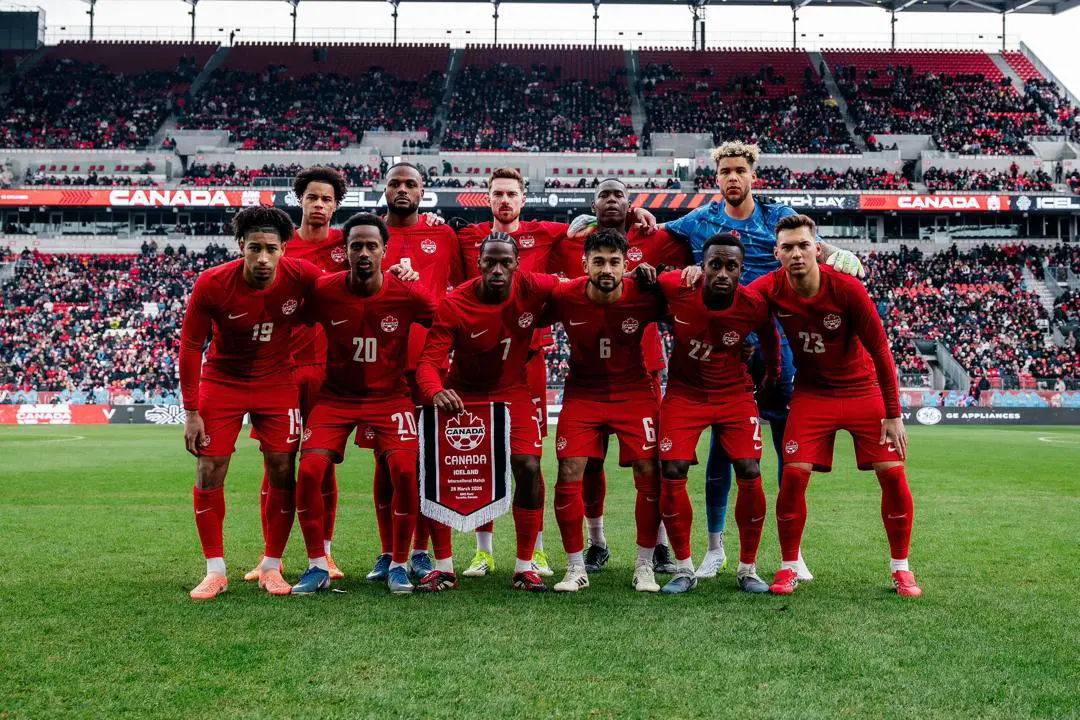
The 2026 FIFA World Cup has entered its decisive knockout phase with one significant storyline dominating discussions across North America the elimination of two of the tournament’s three host nations, Mexico and Canada.
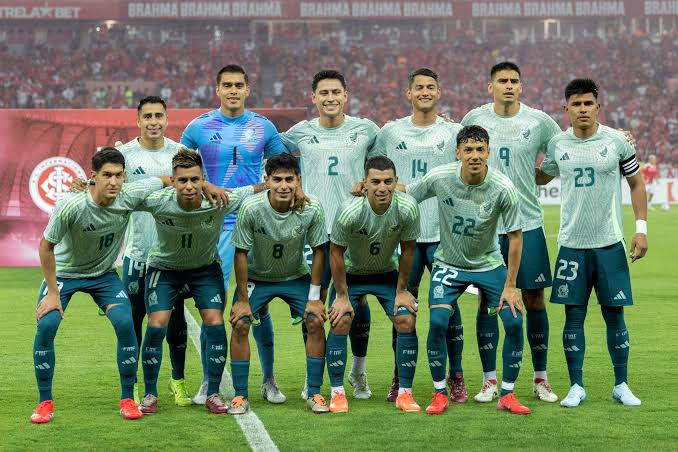
Both countries captured the imagination of their supporters during the group stage and round of 32, but their journeys ended in the Round of 16. Canada suffered a convincing 3-0 defeat to Morocco on July 4, while Mexico bowed out a day later after a spirited 3-2 loss to England, despite twice finding the back of the net.
Their departures leave the United States as the only remaining co-host nation still in contention, placing additional pressure on the American side to sustain regional excitement as the tournament heads toward the quarter-finals.
Mexico’s exit was particularly painful. Playing in front of a passionate home crowd, El Tri fought courageously against England but defensive lapses proved costly. England’s experience ultimately prevailed in one of the most entertaining matches of the Round of 16.
Canada, meanwhile, could not repeat the form that saw them reach the knockout rounds. Morocco dominated proceedings from start to finish, exposing Canada’s defensive weaknesses and ending what had been one of the nation’s most memorable World Cup campaigns.
The exits have inevitably raised concerns about their impact on attendance, ticket demand and the overall commercial atmosphere surrounding the remainder of the tournament.
Historically, host nations remaining in contention generate exceptional local enthusiasm.
Fans travel in large numbers, businesses enjoy increased patronage, and last-minute ticket demand often surges whenever the home team advances.
With both Mexico and Canada now eliminated, economists believe some secondary ticket markets could experience price adjustments, particularly for matches originally expected to feature strong local fan representation.
Hospitality companies, airlines, hotels and tourism operators had anticipated extended stays from thousands of travelling supporters following their national teams through the latter stages of the competition.
Instead, many fans may now shorten their visits or cancel accommodation plans altogether, especially those who travelled specifically to support their national teams.
Sports marketing analysts, however, believe the overall impact on FIFA’s revenues will likely remain limited.
The expanded 48-team tournament has already attracted record attendances during the group phase, while most knockout matches involving traditional football powers such as England, Spain, Portugal, France, Brazil and Argentina continue to sell out rapidly.
Global demand for World Cup tickets remains exceptionally high regardless of which nation’s progress.
International visitors from Europe, South America, Africa and Asia continue to purchase tickets for marquee fixtures, helping offset any decline in local demand.
Nevertheless, the emotional atmosphere inside stadiums could change noticeably.
Mexico, in particular, boasts one of world football’s most passionate fan bases. Stadiums hosting El Tri matches have been transformed into seas of green, with supporters creating electric atmospheres through songs, chants and colorful displays.
Canadian supporters also travelled in significant numbers, giving the tournament a distinctly North American identity.
Their absence means future matches may feature more neutral crowds rather than emotionally invested home supporters.
Local businesses around host cities could also feel the effects.
Restaurants, sports bars, souvenir shops and transportation providers often benefit when local teams continue winning, as supporters gather for watch parties and celebrations that extend well beyond the stadiums.
Cities such as Mexico City, Guadalajara, Monterrey, Toronto and Vancouver had hoped for prolonged football festivals lasting throughout July.
Instead, attention is likely to shift toward welcoming international supporters following the remaining title contenders.
For broadcasters, however, the picture is more balanced.
England’s victory over Mexico ensures continued interest from one of football’s largest television markets, while Morocco’s remarkable run has captured audiences across Africa and the Arab world.
Similarly, France, Spain, Portugal and Argentina continue attracting hundreds of millions of viewers globally.
FIFA has repeatedly emphasized that the World Cup’s commercial success depends not solely on host nations but on its worldwide appeal.
The governing body expects television audiences to remain strong as heavyweight clashes dominate the quarter-final lineup.
The pressure now falls squarely on the United States.
As the only surviving co-host nation, the Americans carry the hopes of North American supporters eager to see at least one host country make a deep run in the competition.
A successful U.S. campaign could help maintain regional enthusiasm while boosting ticket demand for later rounds scheduled across American venues.
Should the United States also be eliminated before the quarter-finals conclude, the tournament would become the first World Cup in recent history where every host nation exited before the final eight.
Despite the disappointment for Mexico and Canada, football observers argue the tournament has already demonstrated the competitiveness created by the expanded 48-team format.
Several emerging nations have reached the knockout rounds, while established giants have been pushed to their limits.
Norway’s stunning victory over Brazil, Morocco’s commanding win over Canada and Paraguay’s spirited performances have shown that the competitive gap continues to narrow in international football.
For Mexico and Canada, attention will now turn toward rebuilding ahead of future continental competitions and the next World Cup cycle.
Both nations produced encouraging moments throughout the tournament and demonstrated that football’s growth across North America continues to accelerate.
Although their dream of lifting the trophy on home soil has ended, their participation has helped showcase the sport to millions of new supporters across the continent.
As the World Cup moves toward its climax, organizers remain confident that blockbuster knockout fixtures, global television audiences and the presence of football’s traditional heavyweights will ensure packed stadiums and sustained worldwide excitement until the final whistle of the 2026 FIFA World Cup.