The 2026 FIFA World Cup in the United States, Canada and Mexico has already delivered drama, surprises and memorable performances as nations from every continent battle for football’s biggest prize.
While South American heavyweights continue to demonstrate their traditional strength and several African and Asian nations have produced impressive displays, European teams have emerged as some of the tournament’s most consistent performers against opponents from other regions.
With the group stage approaching its decisive phase, Europe’s representatives have largely justified their status as contenders, producing commanding victories, resilient performances and important points against teams from Africa, Asia, North America and South America.
The tournament has highlighted both the depth of European football and the growing competitiveness of the global game.
Germany have been among the standout European sides. The four-time world champions announced their intentions with a stunning 7-1 victory over Curacao, one of the most emphatic results of the competition so far.

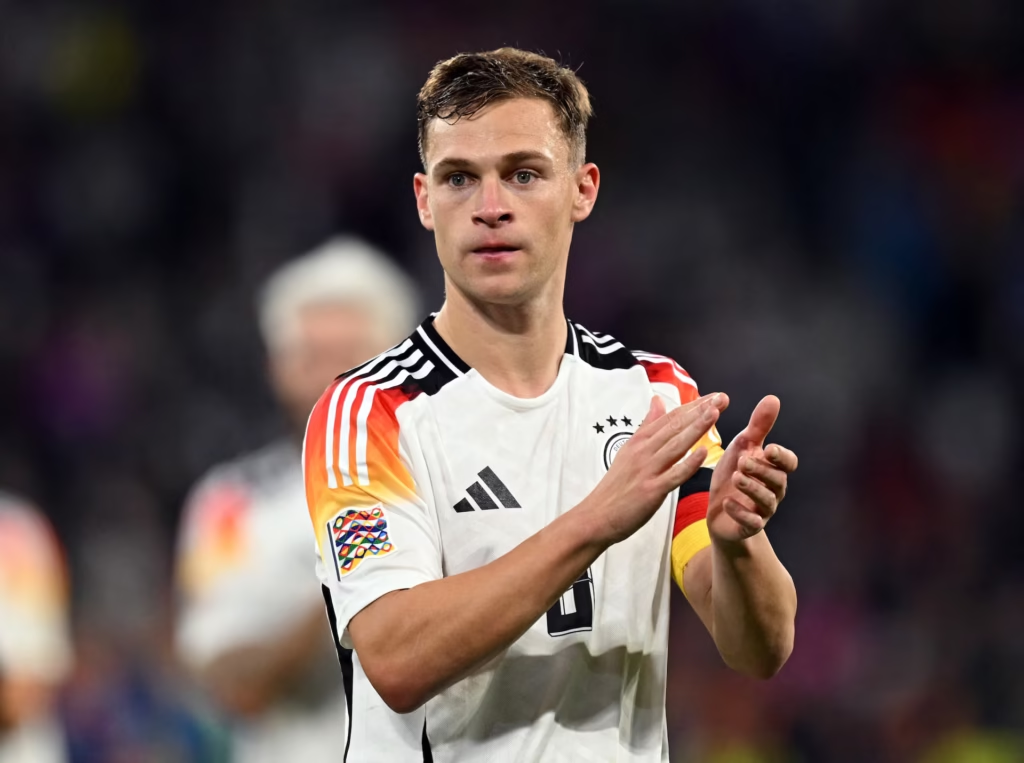
Their attacking movement, technical superiority and clinical finishing overwhelmed their Caribbean opponents. Germany followed that performance with a hard-fought 2-1 win over Ivory Coast, proving they can also succeed when faced with a physically demanding African opponent. With six points from two matches, Germany have positioned themselves as one of the favorites to progress deep into the tournament.
The Netherlands have also impressed. After being held to a thrilling 2-2 draw by Japan, the Dutch responded in spectacular fashion by defeating Sweden 5-1 in an all-European encounter.
Against Japan, one of Asia’s strongest representatives, the Netherlands displayed attacking quality but were forced to work hard against a disciplined and energetic opponent.
Their ability to recover and produce a dominant display in their second match demonstrated both character and squad depth.
Spain’s campaign illustrates the unpredictable nature of the modern World Cup. The Europeans were frustrated by Cape Verde in a goalless draw that surprised many observers. However, La Roja quickly regained momentum with a comprehensive 4-0 victory over Saudi Arabia.
The contrast between those two matches highlighted how no opponent can be underestimated in today’s international football landscape.
Spain’s technical style eventually proved too much for Saudi Arabia, restoring confidence within the squad and among supporters.
France have similarly begun strongly. Les Bleus secured a convincing 3-1 victory over Senegal, one of Africa’s most respected football nations.
The match was viewed as an important test of France’s credentials, given Senegal’s pace, physicality and tournament experience.
France responded with maturity and attacking flair, demonstrating why they remain among the favorites to lift the trophy.
Their upcoming matches will further reveal whether they can maintain that momentum.


England have provided one of the tournament’s most entertaining performances. The Three Lions defeated Croatia 4-2 in a high-scoring European clash that showcased their attacking potential.
While Croatia pushed them throughout the contest, England’s forward line proved decisive. Their next major challenge comes against Ghana, a team that has already demonstrated its ability to compete with established football nations.

Elsewhere, Switzerland have quietly gone about their business with impressive efficiency. After drawing 1-1 with Qatar, the Swiss delivered a commanding 4-1 victory over Bosnia and Herzegovina.
The result reinforced Switzerland’s reputation as one of Europe’s most organized and tactically disciplined teams. They remain firmly in contention for qualification to the knockout rounds.
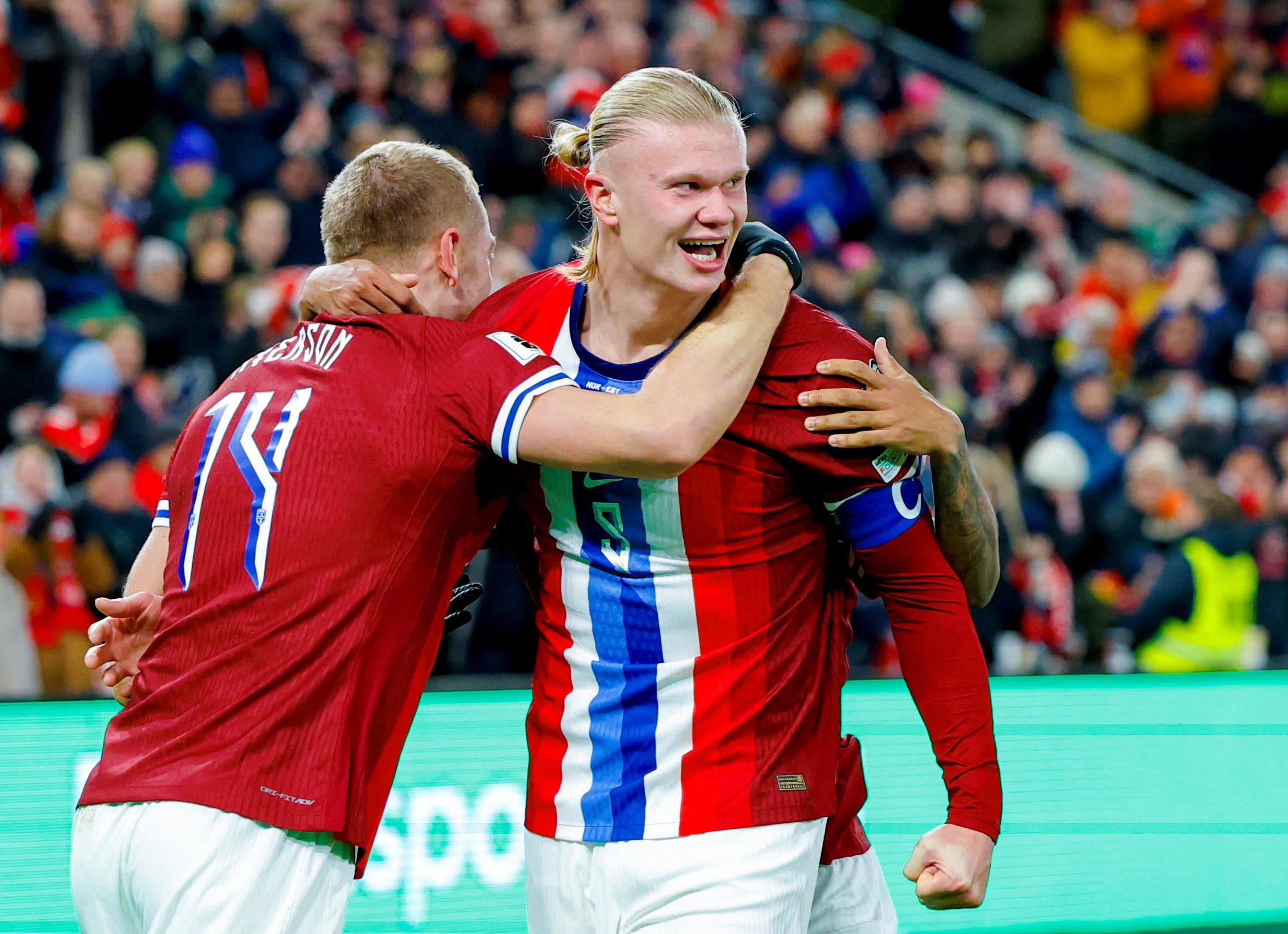
Norway have also enjoyed a positive start. Their 4-1 victory over Iraq showcased attacking confidence and defensive stability. Led by a talented generation of players, Norway appear determined to establish themselves among Europe’s rising forces. Upcoming encounters against stronger opposition will test their credentials further.
Austria continued Europe’s positive trend with a convincing 3-1 victory over Jordan. Although not traditionally considered among football’s elite nations, Austria demonstrated tactical intelligence and attacking efficiency. Their performances suggest they could become one of the tournament’s surprise packages.
Scotland’s campaign has produced mixed results. They opened with a narrow 1-0 win over Haiti but later suffered a disappointing 1-0 defeat to Morocco. The contrasting outcomes underline the competitive nature of Group C, where African and European football styles have collided in fascinating fashion. Scotland now face a crucial encounter against Brazil that could determine their future in the competition.
Belgium’s tournament has been more frustrating. Draws against Egypt and Iran have left the Red Devils searching for momentum.
Despite possessing considerable talent, Belgium have struggled to convert possession into goals. Their performances serve as a reminder that traditional football powers can no longer expect easy victories against emerging nations.
Portugal also experienced unexpected resistance when they were held to a 1-1 draw by DR Congo.

The African side’s determination and organization frustrated the Portuguese throughout the contest. While Portugal remain among the strongest squads in the tournament, the result illustrated the narrowing gap between football’s established powers and ambitious challengers from other regions.
One of the most fascinating aspects of the World Cup so far has been the performance of African nations against European opposition. Morocco’s victory over Scotland was among the continent’s standout achievements.
Ivory Coast pushed Germany despite defeat, while Egypt secured a draw against Belgium. Senegal competed strongly against France, and DR Congo earned a valuable point against Portugal. These results demonstrate the increasing quality of African football and suggest that more surprises could emerge as the tournament progresses.
Asian teams have also shown they can compete with Europe’s best. Japan earned a thrilling draw against the Netherlands before producing a remarkable 4-0 victory over Tunisia.
South Korea defeated Czechia in their opening match and remained competitive against Mexico. Saudi Arabia battled hard before eventually succumbing to Spain, while Iran earned impressive draws against New Zealand and Belgium. These performances underline Asia’s growing influence on the global football stage.
North American teams have enjoyed mixed fortunes. The United States have been among the strongest performers outside Europe and South America, recording victories over Paraguay and Australia. Canada’s dramatic 6-0 triumph over Qatar showcased their attacking potential, while Mexico have continued to impress with wins against South Africa and South Korea. The host nations have benefited from passionate home support and increasingly sophisticated football development structures.
South America’s traditional powers remain formidable. Argentina began with a convincing 3-0 victory over Algeria and continue to be regarded as major title contenders. Brazil recovered from an opening draw against Morocco by defeating Haiti 3-0. Uruguay have experienced a more challenging campaign, drawing with Saudi Arabia and Cape Verde. Nevertheless, the continent’s representatives remain capable of challenging Europe’s strongest teams as the knockout rounds approach.
Statistically, Europe has enjoyed considerable success in cross-continental matchups. Germany, France, Spain, Norway, Austria and Switzerland have all recorded victories against opponents from Africa, Asia or the Americas. While several European teams have dropped points, the overall trend points toward strong continental representation in the latter stages of the tournament.
Yet the World Cup has also exposed vulnerabilities. Belgium’s struggles, Portugal’s draw with DR Congo and Spain’s stalemate against Cape Verde demonstrate that football’s balance of power is evolving. Nations once considered outsiders are now capable of matching elite teams technically, physically and tactically.
As the competition moves toward the knockout rounds, Europe appears well-positioned to provide several genuine title contenders.
Germany’s attacking power, France’s balance, England’s firepower, Spain’s technical quality and the Netherlands’ resilience all suggest the continent will play a major role in determining the destination of the trophy.
However, the tournament has already shown that success cannot be taken for granted. African, Asian and North American teams have repeatedly challenged Europe’s established powers, creating a World Cup defined by competitive balance and global ambition.
The remaining matches promise even greater drama as football’s traditional hierarchy faces its sternest examination yet.
For now, European teams have largely held their own against opponents from every corner of the world. Whether they can maintain that dominance when the pressure intensifies remains one of the defining questions of World Cup 2026