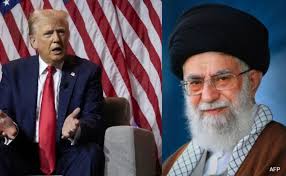
The United States and Iran have reached a landmark peace agreement aimed at ending months of military conflict that has destabilized the Middle East, disrupted global energy markets, and raised fears of a wider regional war.
The breakthrough deal, announced on June 15, is expected to be formally signed in Switzerland later this week following intensive mediation efforts led by Pakistan.
The agreement establishes an immediate ceasefire and a framework for ending hostilities across multiple fronts. Central to the deal are provisions for reopening the strategically important Strait of Hormuz, ending the U.S. naval blockade of Iranian ports, and launching a 60-day period of negotiations to address unresolved issues, including Iran’s nuclear program and the future of international sanctions.
U.S. President Donald Trump hailed the development as a major diplomatic victory, announcing that the agreement with Iran was “complete” and describing it as a pathway toward lasting peace in a region long plagued by conflict. Iranian officials also confirmed that both sides had agreed on the text of a memorandum of understanding that will serve as the foundation for future negotiations.
The conflict, which began earlier this year following joint U.S.-Israeli military strikes on Iranian targets, escalated into one of the most serious confrontations in the Middle East in decades. The fighting resulted in thousands of casualties, heightened tensions across the region, and threatened vital global shipping routes through the Strait of Hormuz, through which a significant share of the world’s oil supply passes.
Under the terms of the preliminary accord, both nations have agreed to halt military operations while negotiators work toward a comprehensive settlement. Diplomatic sources say the agreement leaves several sensitive issues unresolved, particularly Iran’s nuclear activities, which will be addressed during the upcoming 60-day negotiation period.
Any final arrangement involving sanctions relief or nuclear restrictions is expected to undergo extensive international scrutiny and political review.
The announcement was welcomed by international leaders and organizations. The United Nations High Commissioner for Human Rights, Volker Türk, described the agreement as a significant step toward regional stability and urged all parties to implement the deal in good faith. He emphasized the importance of restraint and diplomacy in preventing renewed violence.
Global financial markets reacted positively to the news. Oil prices fell sharply amid expectations that the reopening of the Strait of Hormuz would restore normal energy supplies and ease concerns about disruptions to international trade. U.S. stock futures also surged as investors welcomed the prospect of reduced geopolitical risk.
Despite widespread optimism, analysts caution that the agreement remains a framework rather than a final peace treaty. Several contentious issues remain unresolved, and political opposition exists in both countries. Regional actors, including Israel, have expressed concerns about aspects of the arrangement and its implications for future security dynamics in the Middle East.
If successfully implemented, the accord could mark one of the most significant diplomatic breakthroughs in recent Middle Eastern history, ending a conflict that has shaken global markets, strained international alliances, and threatened broader regional stability.
The coming weeks of negotiations will determine whether the framework can evolve into a lasting peace agreement and reshape relations between Washington and Tehran for years to come.