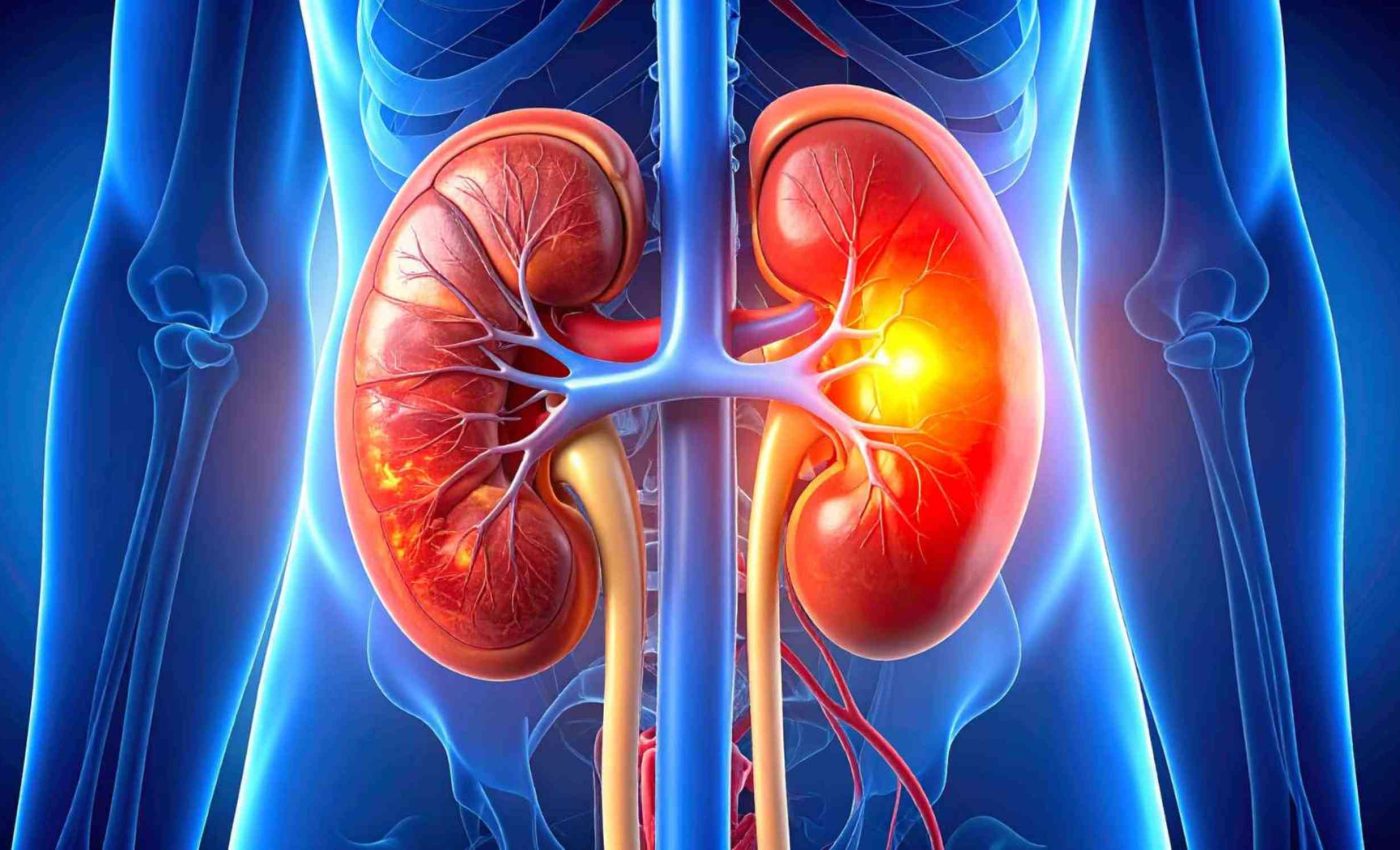
Once seen mostly in older adults, Kidney stones are now increasingly affecting teenagers and young adults worldwide, as experts link the trend to dehydration, poor diet, obesity, and changing climate conditions.
This feature explains further the truth about kidney stones disease.

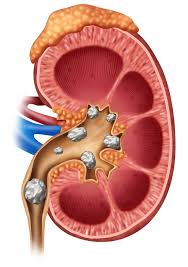
A condition once commonly associated with older adults is increasingly being diagnosed among younger people across the world, raising fresh concerns among health experts. Kidney stones, the formation of hard mineral deposits in the kidneys, is emerging as a growing public health issue among teenagers and young adults, driven by lifestyle changes, dietary habits, and environmental factors.
Medical experts explain that kidney stones, also known as nephrolithiasis or urolithiasis, occur when urine becomes concentrated, allowing minerals such as calcium, oxalate, and uric acid to crystallize and form hard deposits inside the kidneys. Though often treatable, the condition can cause severe pain and, in some cases, lead to long-term complications if not managed early.
Recent global research based on the Global Burden of Disease Study 2021 showed that the incidence of urolithiasis among people aged 10 to 24 increased from 321.5 cases per 100,000 in 1990 to 342.6 per 100,000 in 2021. The study estimated that more than 6.4 million adolescents and young adults were affected worldwide in 2021, highlighting a steady rise over the past three decades.
Causes Behind the Rise
Health professionals attribute the growing cases largely to modern lifestyle patterns, especially among urban youth. One of the most significant causes is chronic dehydration. Many young people consume sugary drinks, carbonated beverages, and energy drinks more frequently than water. In hot climates, including many tropical countries, excessive sweating without adequate water replacement increases the concentration of urine, making stone formation more likely.
Poor diet is another major contributor. Fast foods, processed snacks, and meals high in sodium are linked to higher calcium excretion in urine, which encourages stone development. Excessive intake of red meat and animal protein can also increase uric acid levels, another common trigger for stones.
Other contributing factors include:
- Obesity and weight gain
- Family history of kidney stones
- Recurrent urinary tract infections
- Certain medications and supplements
- Medical conditions such as gout and digestive disorders
Climate change is also emerging as a factor. Experts note that rising global temperatures are increasing dehydration rates, particularly in tropical and subtropical regions, expanding what researchers describe as the “kidney stone belt” — areas where persistent heat raises the likelihood of developing the condition.
Why Young People Are Increasingly Affected
Young adults are considered particularly vulnerable because many ignore early symptoms until the pain becomes severe. Initial warning signs such as mild lower back pain, frequent urination, or traces of blood in urine are often dismissed.
Researchers found the steepest rise among those aged 20 to 24, while an increase has also been recorded among teenage girls in several countries. Improved access to ultrasound and CT imaging has also contributed to earlier diagnosis, meaning some cases that previously went unnoticed are now being detected.
Types of Kidney Stones
The main forms of kidney stones include:
- Calcium stones – the most common type, usually calcium oxalate
- Uric acid stones – often linked to high-protein diets and dehydration
- Struvite stones – associated with infections
- Cystine stones – caused by inherited metabolic disorders
Common Symptoms
A kidney stone may remain unnoticed until it moves within the urinary tract. Symptoms include:
- Severe pain in the side, back, or lower abdomen
- Painful urination
- Blood in urine
- Cloudy or foul-smelling urine
- Nausea and vomiting
- Frequent urge to urinate
- Fever and chills when infection is present
Diagnosis and Treatment
Doctors typically diagnose the condition through urine tests, blood tests, ultrasound, CT scans, and X-rays. These help determine the stone’s size, type, and location.
Treatment depends on the severity:
- Small stones may pass naturally with increased water intake and pain relief medication
- Larger stones may require medications to relax the ureter
- In severe cases, procedures such as shock wave therapy, ureteroscopy, or surgery may be needed
New Research Questions Water-Only Prevention
A recent study involving 1,658 adolescents and adults found that even a structured high-tech hydration program did not significantly reduce recurrence of kidney stones among patients already diagnosed with the condition. Participants were given personalized water intake targets, reminders, digital tracking bottles, and coaching over two years.
Although participants drank more water and increased urine output, recurrence rates remained nearly the same — 19 percent in the intervention group compared to 20 percent in the standard care group. The findings suggest that while hydration remains important, drinking more water alone may not be enough for long-term prevention in all patients.
Researchers say this points to the need for a more personalized approach that combines hydration, dietary changes, medication, and regular monitoring.
Prevention Remains Key
Doctors maintain that many kidney stone cases can still be prevented through simple lifestyle changes:
- Drinking 2–3 litres of water daily
- Reducing salt intake
- Limiting sugary drinks
- Avoiding excessive red meat
- Maintaining healthy body weight
- Exercising regularly
- Seeking early medical checks, especially for those with family history
Public health experts are calling for increased awareness campaigns in schools and communities, warning that without preventive measures, kidney stones may become a more significant health burden among younger populations worldwide.
As the disease spreads among younger age groups, experts stress that prevention through healthier daily habits remains the most effective way to reduce the growing global trend.