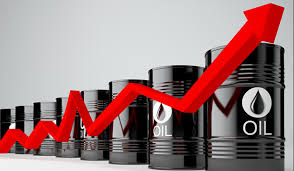
Oil prices have climbed sharply, with crude topping $116 per barrel amid escalating tensions in the US-Israel war with Iran, raising fears of a wider regional conflict and a prolonged global energy crisis.
Brent crude, the global benchmark, rose more than 3 percent on Monday morning, reaching its highest level in nearly two weeks. The latest surge pushed prices to their highest point since March 19, when oil briefly touched $119 a barrel.
The price jump came after Iran accused the United States of preparing for a ground invasion. Iran’s parliament speaker warned that Tehran was ready for US troops and threatened retaliation against American forces and their regional allies.
The conflict intensified over the weekend, with Iranian-backed Houthi forces launching missiles at Israel for the first time since the war began, while Israel expanded its military operations into southern Lebanon.
Asian stock markets reacted sharply to the rising tensions and oil shock. Japan’s Nikkei 225 and South Korea’s KOSPI both fell more than 4 percent in morning trading, reflecting growing investor fears about the economic impact of the conflict.
A major factor driving oil prices higher is Iran’s effective closure of the Strait of Hormuz in response to US-Israeli attacks.
The strategic waterway handles about one-fifth of global oil and liquefied natural gas supplies, and the disruption has triggered what analysts describe as the biggest energy crisis in decades.
Oil prices have risen nearly 60 percent since the start of the war, pushing fuel prices higher worldwide and forcing several countries to introduce emergency energy-saving measures. Analysts warn that prices could continue rising unless normal shipping traffic resumes through the strait.
US President Donald Trump has threatened to destroy Iran’s energy infrastructure if Tehran does not reopen the waterway by an April 6 deadline. Trump has also proposed a 15-point plan to end the war and expressed optimism about indirect talks mediated by Pakistan, saying a deal with Iran could come soon.
However, Tehran has rejected the US proposal and instead demanded war reparations and international recognition of its right to control the Strait of Hormuz as part of any ceasefire agreement.
Energy analysts say the full impact of the oil disruption is only beginning to be felt, noting that oil supply shortages typically take several weeks to affect global markets. Some experts believe oil prices could rise toward $120 per barrel or higher in the coming weeks as the supply crisis worsens.
Although Iran has begun allowing a limited number of foreign vessels through the strait, shipping traffic remains far below normal levels. Before the war began in late February, about 120 ships passed through the strait each day, but current traffic is only a fraction of that level, keeping global energy markets under pressure.