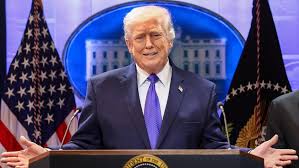
European members of NATO are pushing back against calls by Donald Trump for the alliance to intervene in securing the Strait of Hormuz amid escalating tensions with Iran.
Speaking to Euronews, Elina Valtonen made it clear that NATO is under no obligation to support U.S. efforts in the region, emphasizing that the alliance’s core mission remains the defense of Europe and the North Atlantic.
“NATO is indeed a defensive alliance, and we won’t be dragged into any war of choice,” Valtonen said, underscoring the bloc’s reluctance to expand its role beyond its founding purpose.
She noted that countries like Finland are particularly focused on their own security priorities, including safeguarding NATO’s long border with Russia.
Despite this stance, Valtonen acknowledged that the disruption in the Strait of Hormuz through which a significant share of global oil and gas flows poses a serious concern for Europe. With oil prices surging past $100 per barrel, she stressed that ensuring the free flow of energy supplies is in the broader global interest.
“We of course have a collective interest not only within NATO but globally to keep oil flowing and to de-escalate tensions,” she said during the interview at NATO headquarters in Brussels.
Trump, however, has issued a stark warning to allies, suggesting NATO could face a “bad future” if members fail to assist the United States in restoring safe passage through the strategic waterway, which carries roughly one-fifth of the world’s crude oil and liquefied natural gas.
Valtonen revealed that European leaders are set to deliberate in the coming days on whether to launch a potential mission to the region, hinting that Europe may soon leverage its position in negotiations with Washington.
Still, divisions remain within the European Union. The bloc’s 27 foreign ministers have so far resisted expanding the mandate of its naval mission, Aspides, to cover the Strait of Hormuz, despite mounting U.S. pressure.
The situation also intersects with the ongoing war in Ukraine. Valtonen pointed out that both Ukraine and Europe possess significant strategic leverage, particularly in countering Iranian-made drones.
Ukraine has developed advanced expertise in intercepting Shahed drones used extensively by Russia and could potentially share this knowledge with Gulf nations now facing similar threats from Iran.
Ukrainian President Volodymyr Zelenskyy recently indicated readiness to deploy expert teams to assist countries impacted by Iranian strikes, highlighting a possible area of cooperation.
“There’s a lot of leverage that we can also make use of,” Valtonen said. “Ukraine and Europe have very strong cards, especially in the long term.”