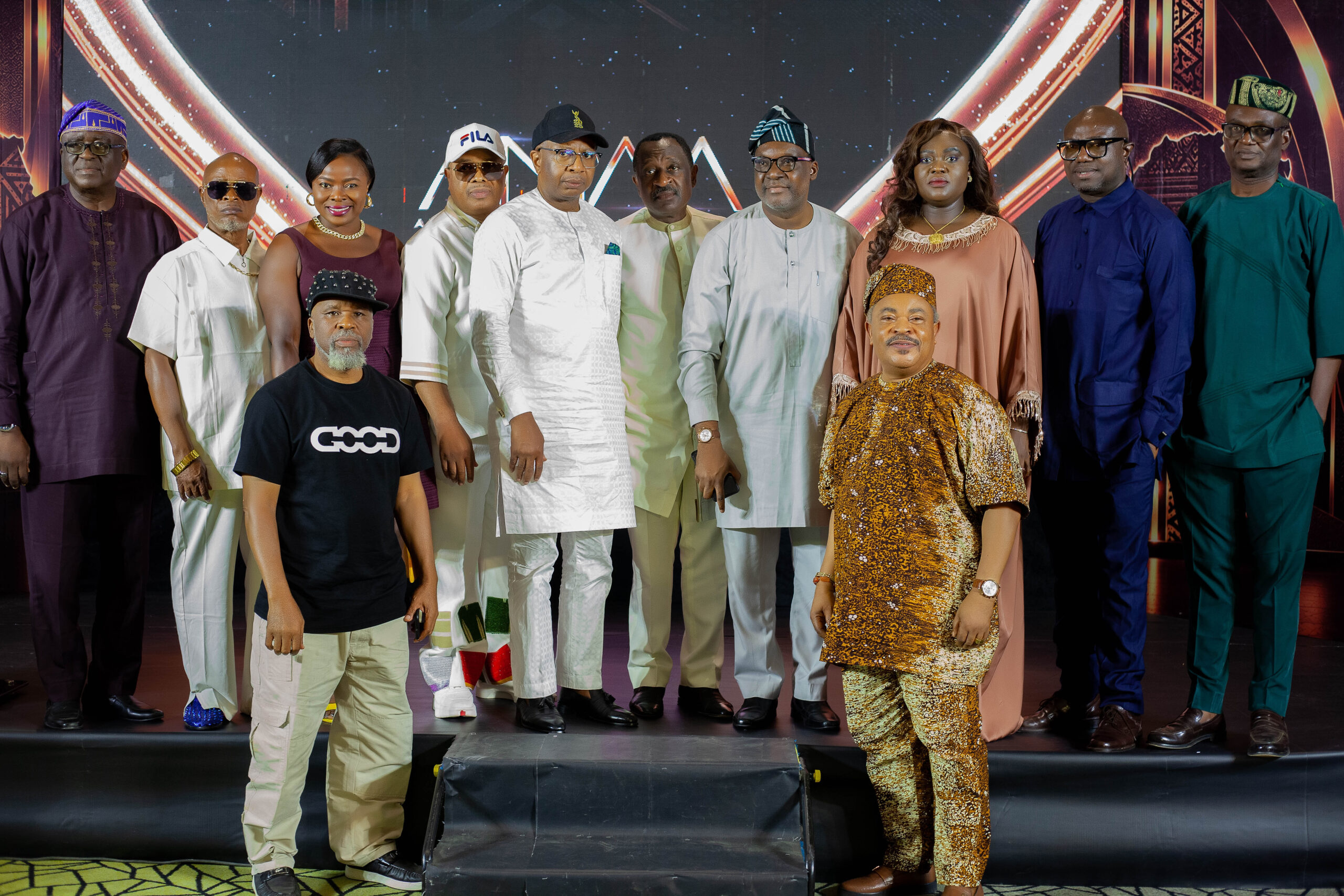
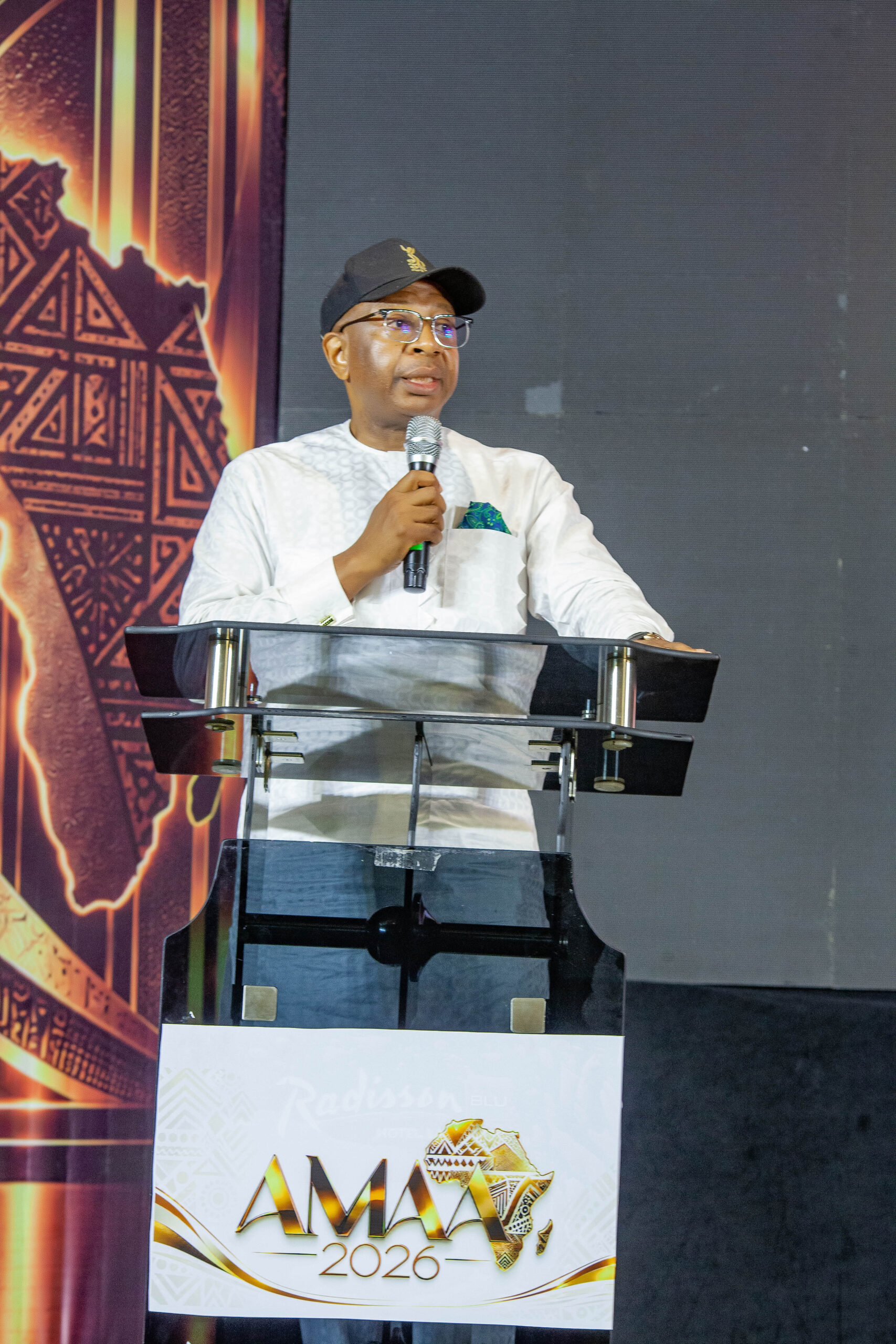
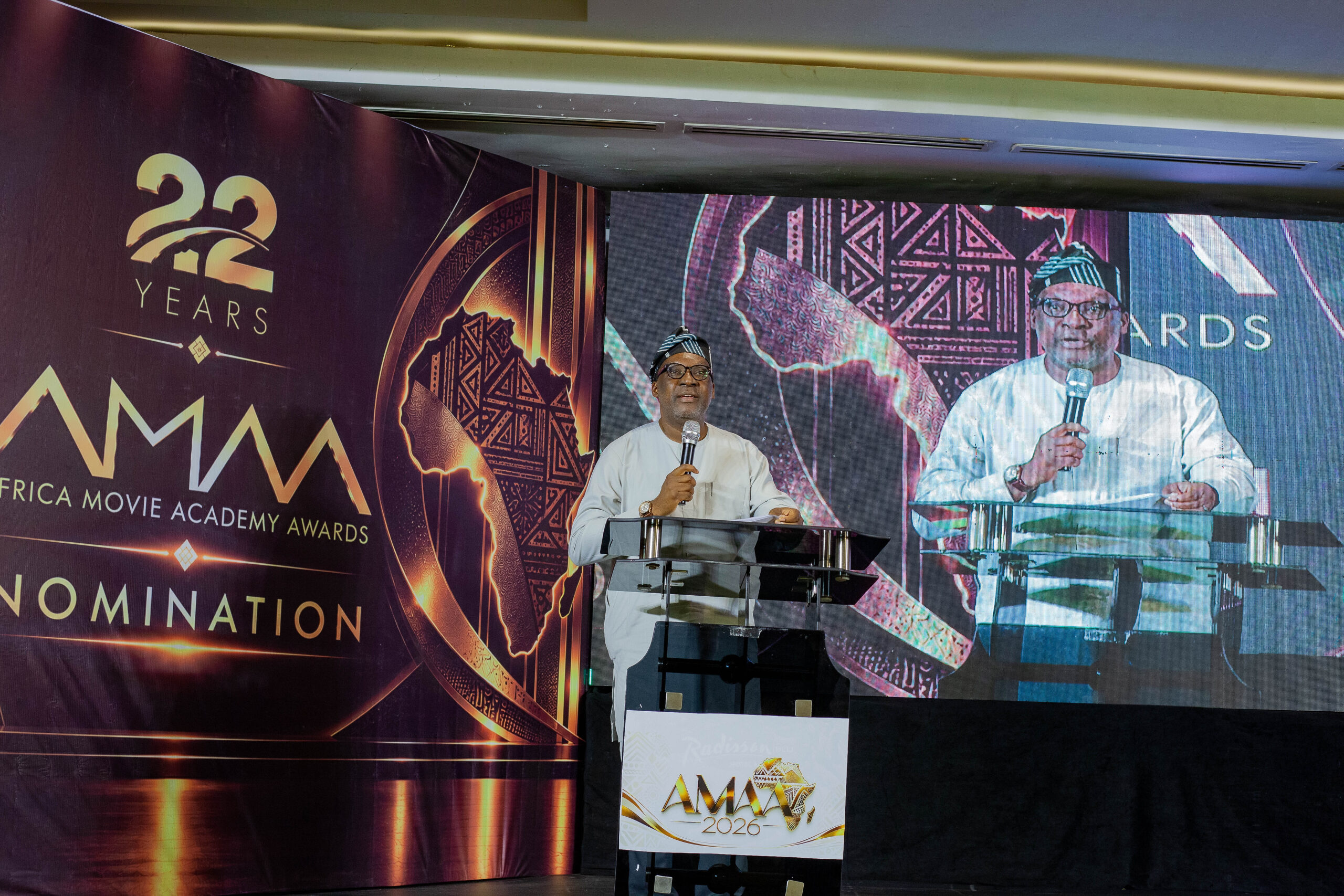
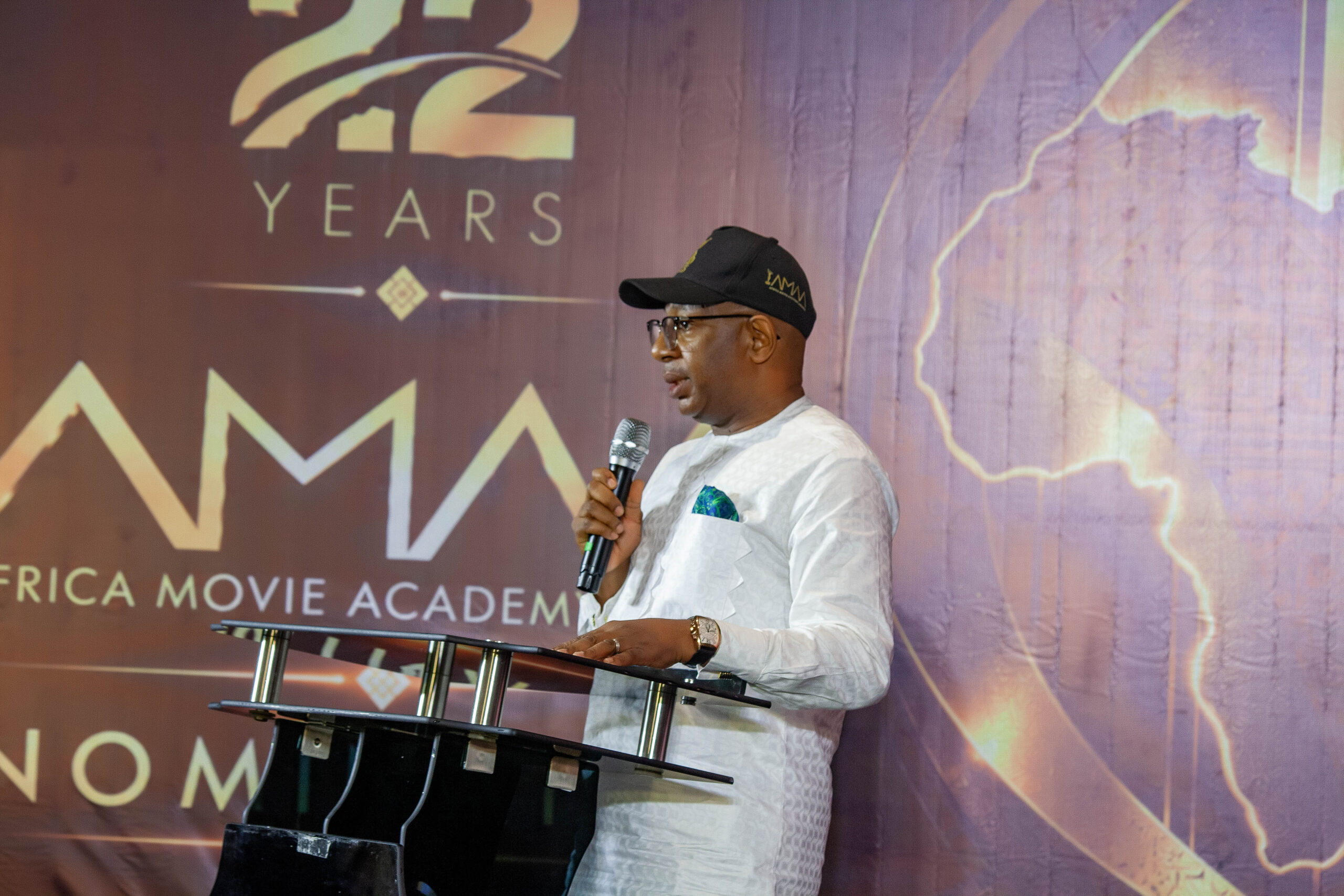
African cinema is set for a major celebration as the Africa Film Academy (AFA), organisers of the Africa Movie Academy Awards (AMAA), have unveiled nominations for the 22nd edition of the continental film awards, with productions from Nigeria, Ugan da, Kenya, South Africa, Ghana and other African countries competing for honours.
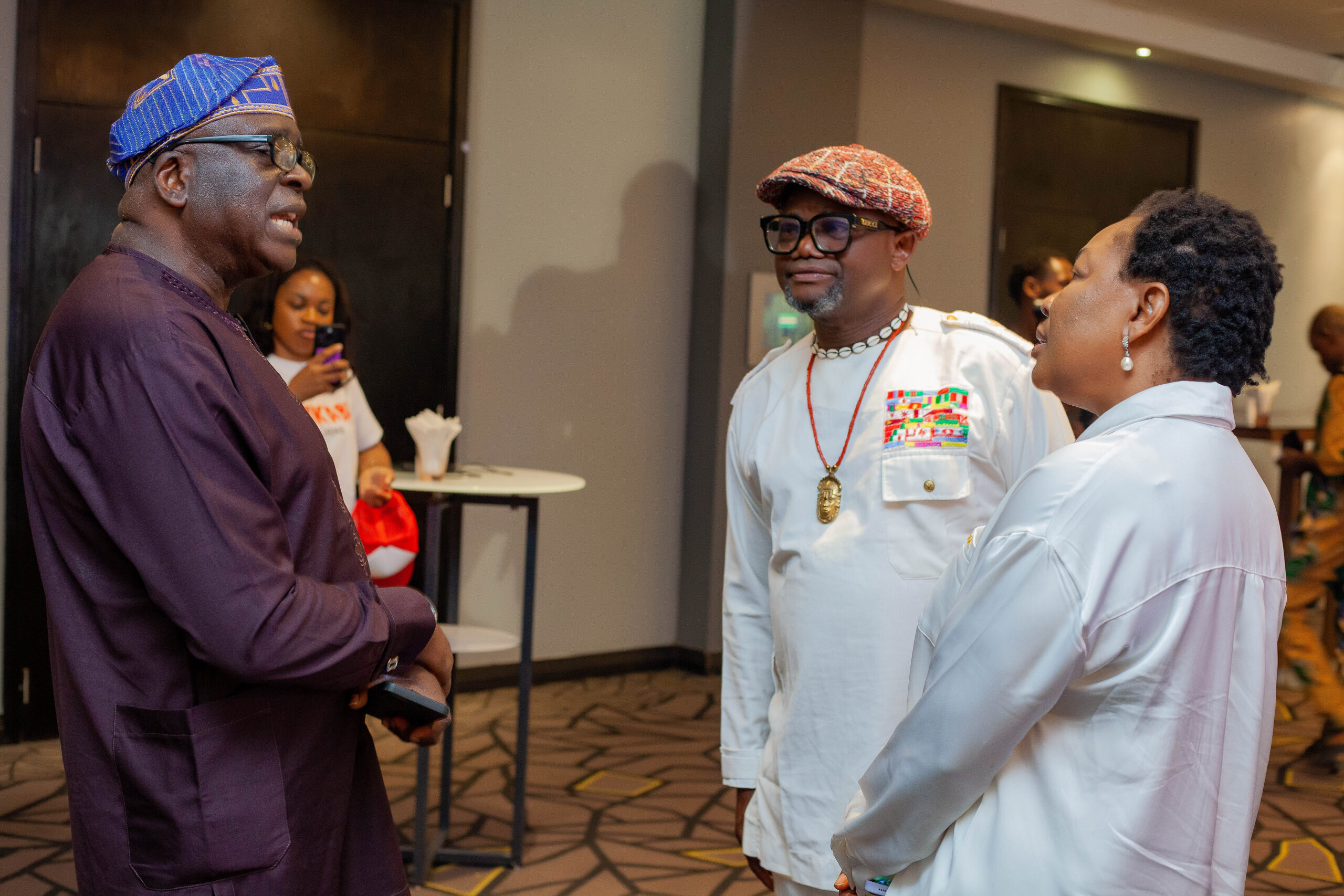
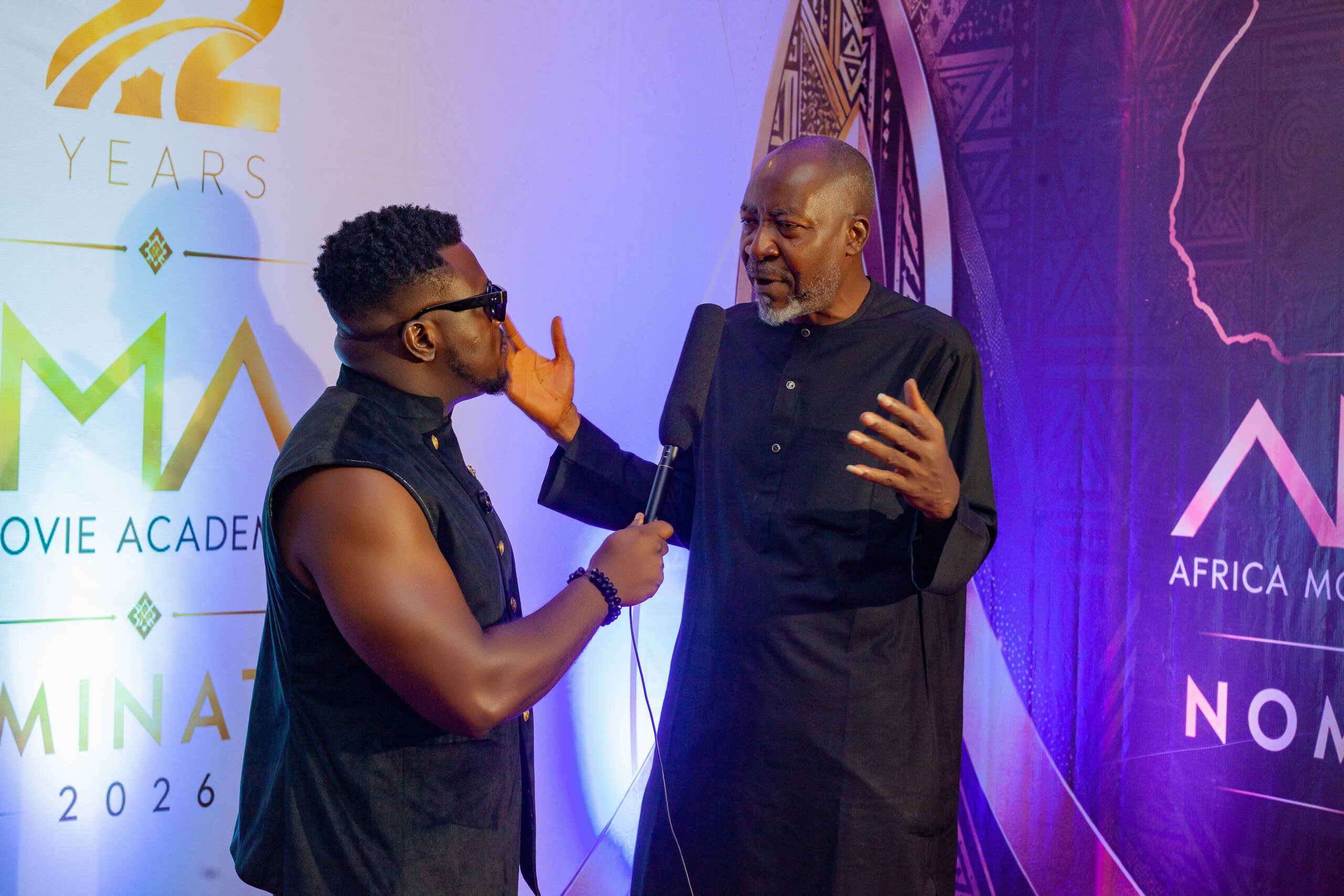
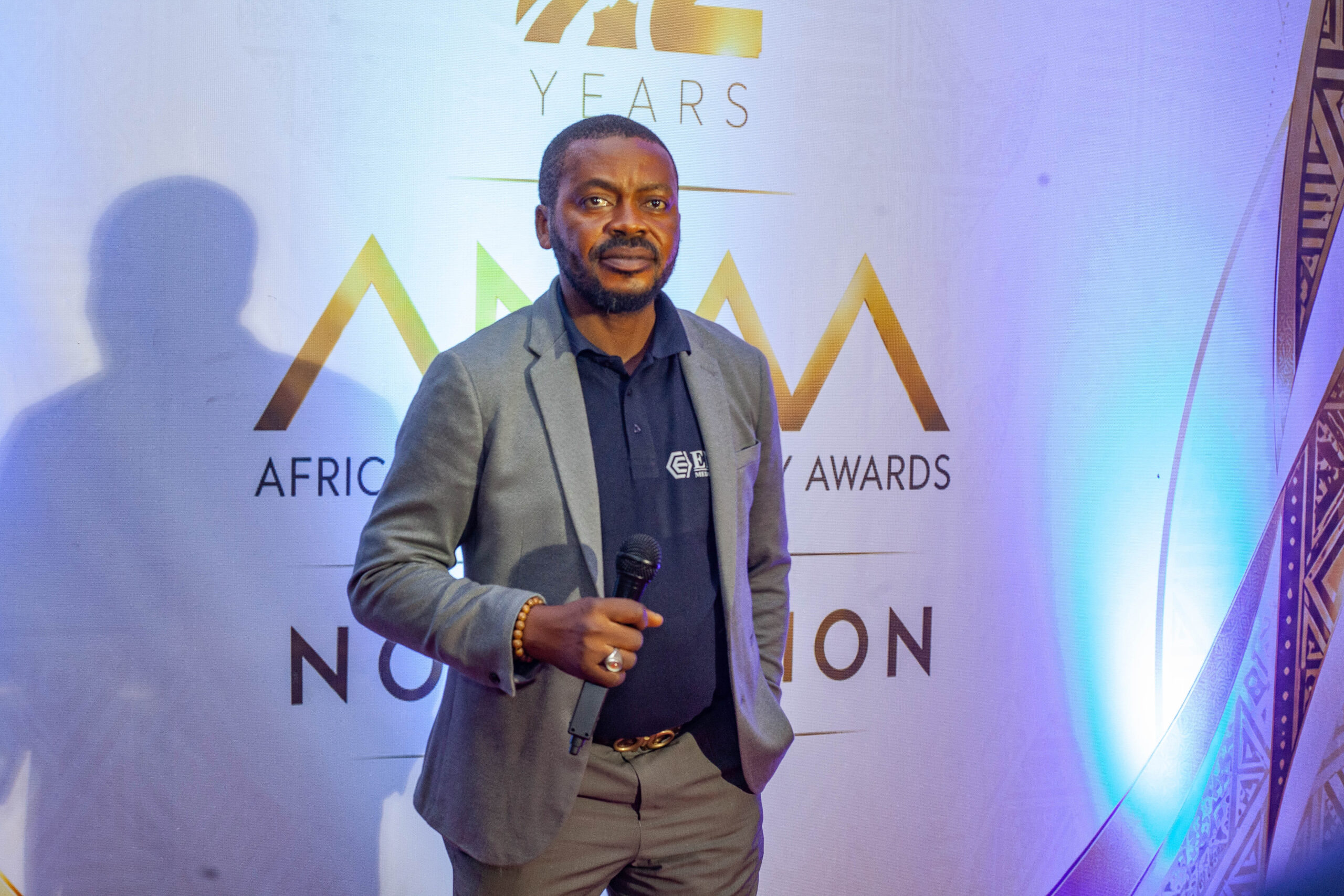
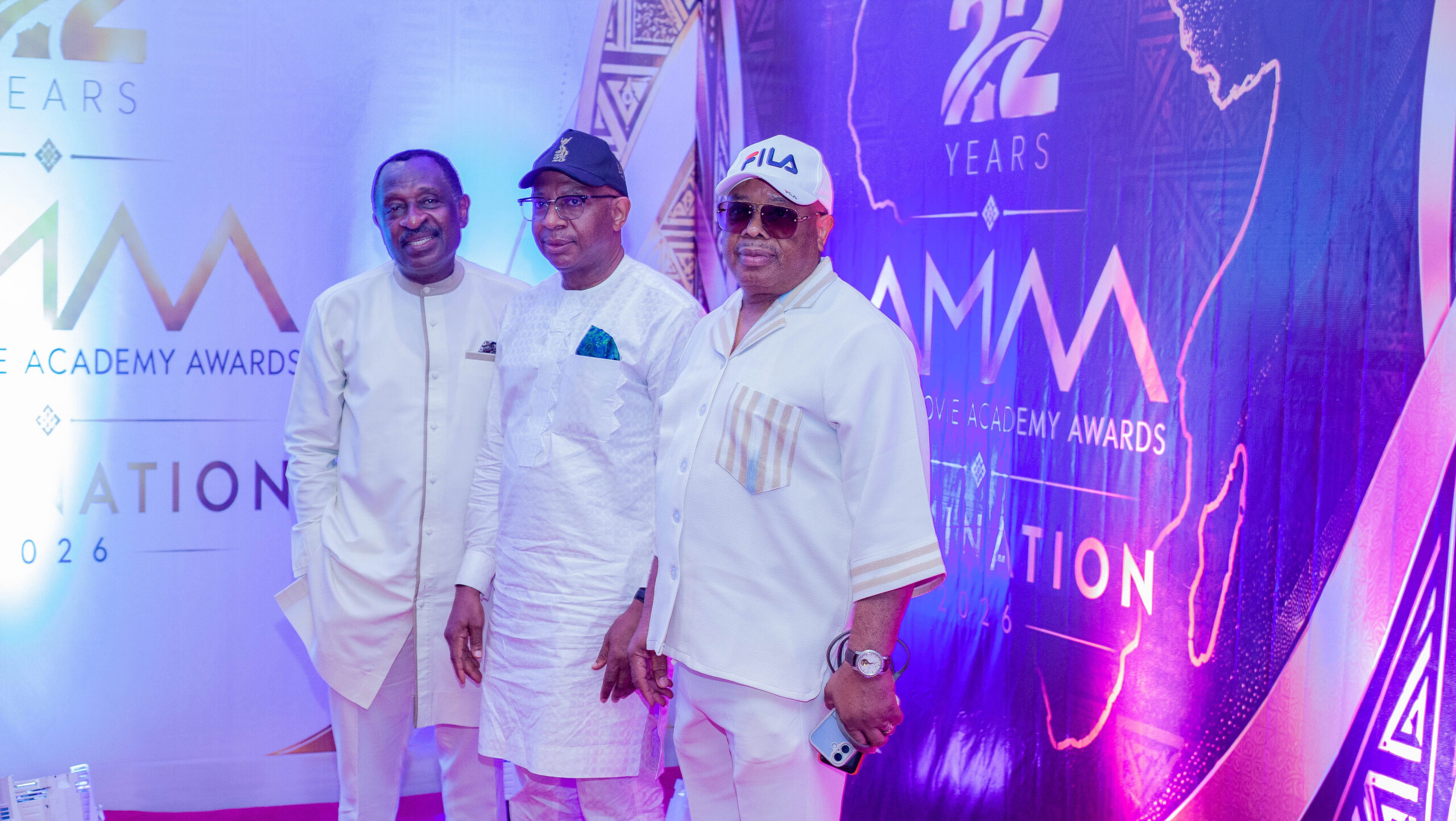
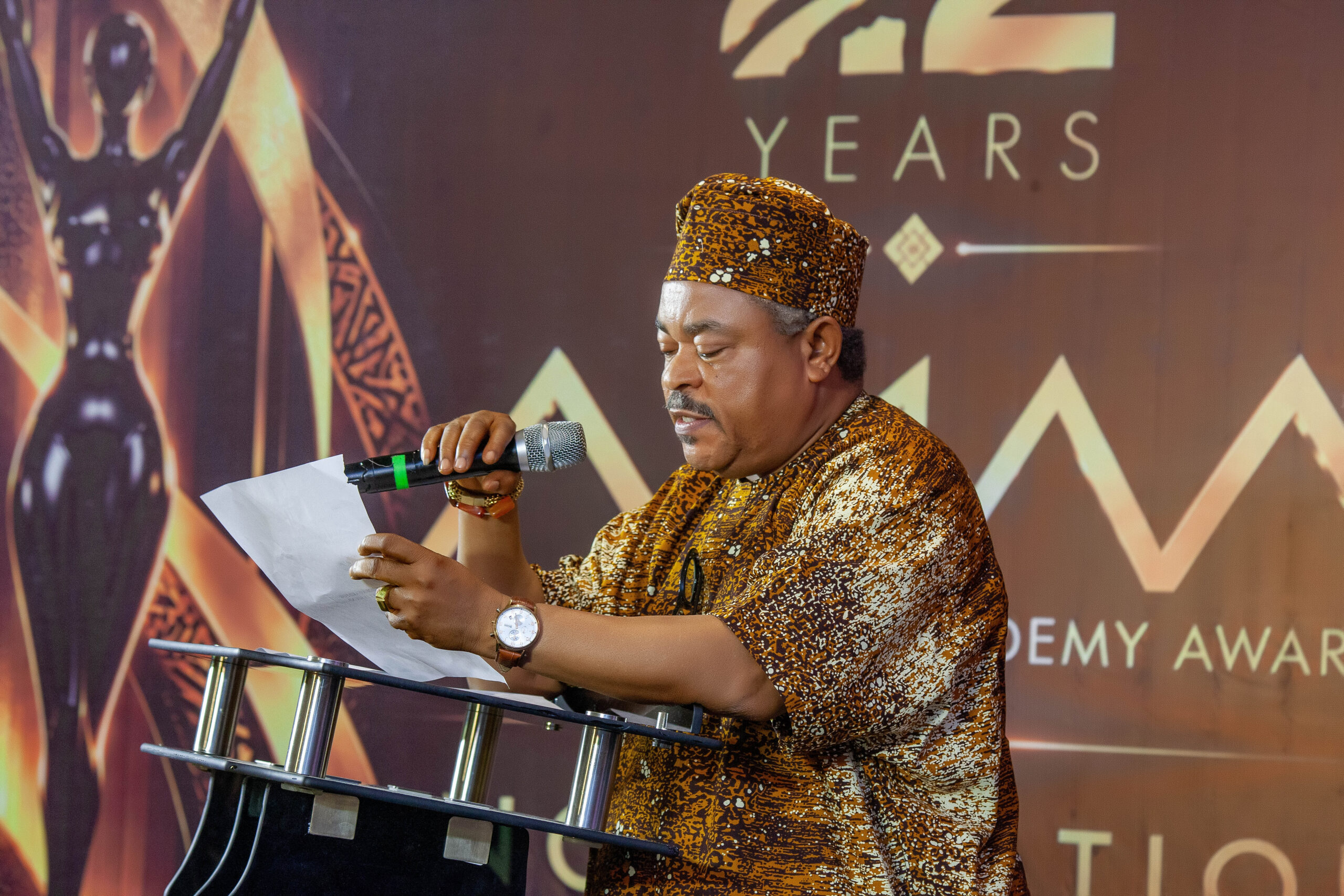
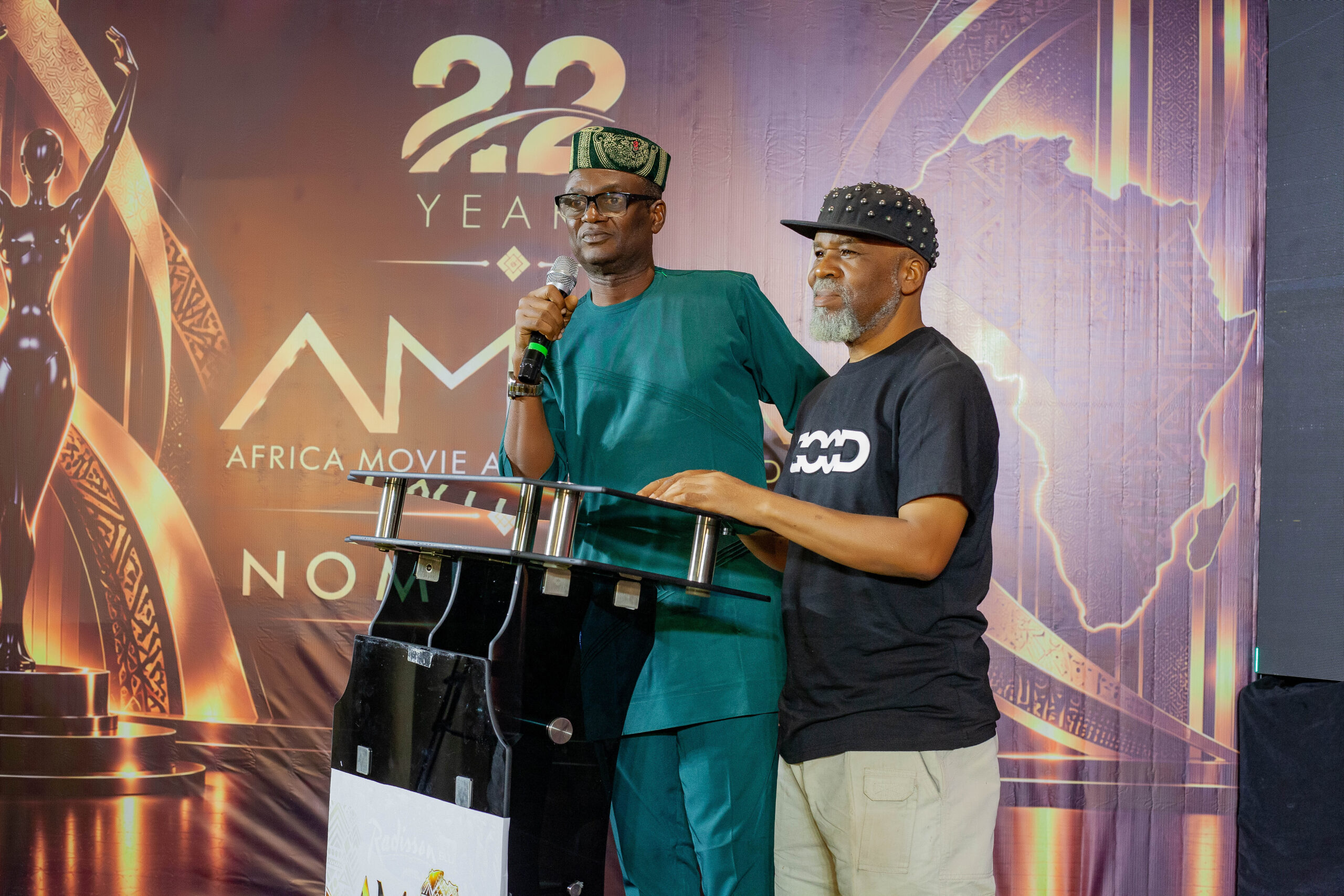
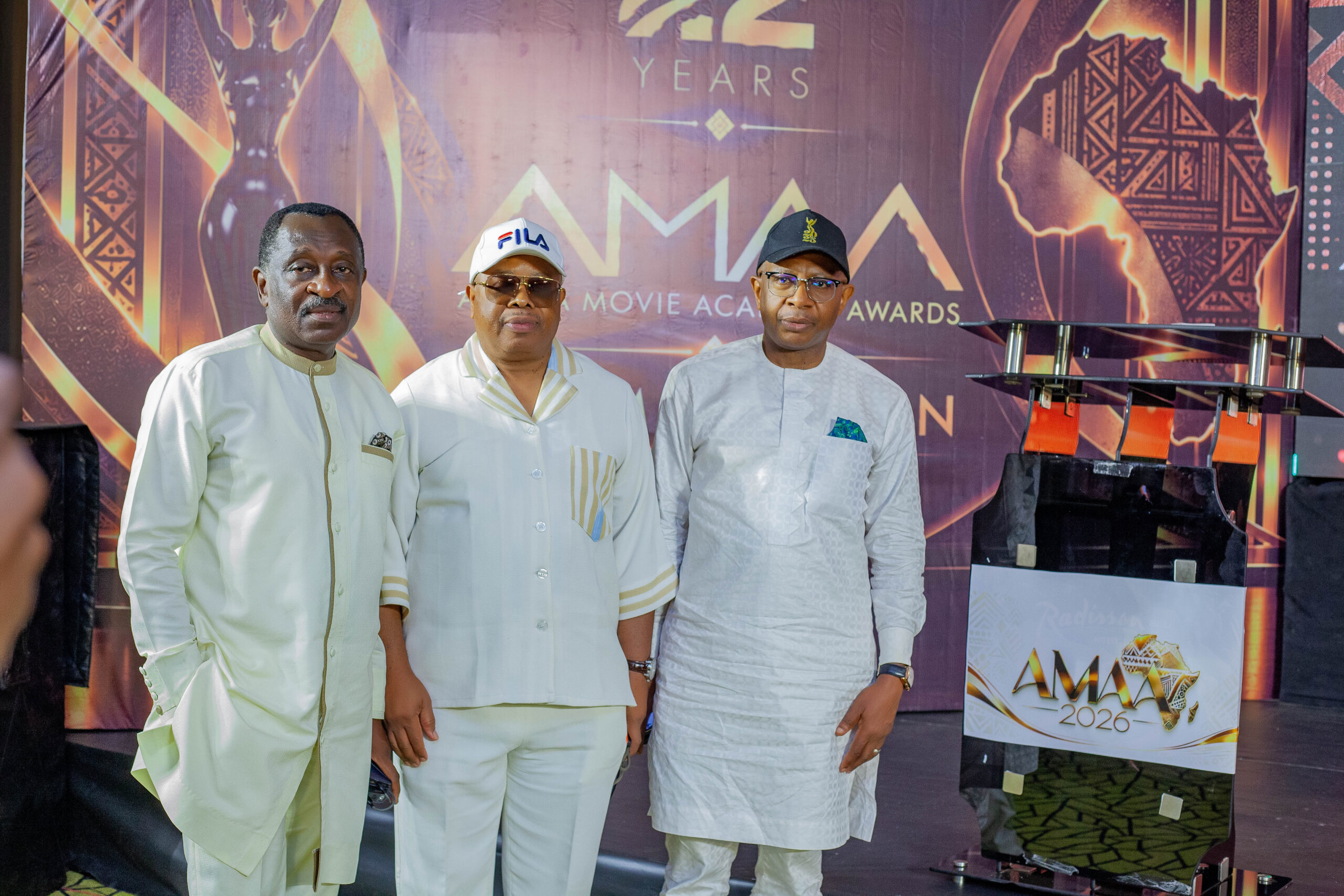
The nomination list was announced on Saturday, October 17, 2026, during a gathering of industry stakeholders and African film practitioners at the Radisson Blu Hotel, Ikeja GRA, Lagos.
The Chief Operating Officer of AMAA, Dr Raymond Anyiam-Osigwe, announced that the 22nd edition of the awards ceremony would hold on November 15, 2026.
The unveiling attracted members of the awards jury, led by the Head of the College of Screeners, Dr Shaibu Husseini, and Hon. Steve Ayorinde. Other jury members in attendance included June Givanni, John Akomfrah, Hyginus Ekwuazi, Ayuko Babu and Asantewa Olatunji.
Uganda’s Slum Bomber and Kenya’s One Woman, One Bra emerged as the joint leaders in the nomination race, securing 14 nominations each.
Nigeria’s To Adaego With Love followed with 11 nominations, while Daniel Etim-Effiong’s The Herd secured 10. Colours of Fire also made a strong showing with nine nominations.
The nominations highlight the growing diversity of African filmmaking, with productions from different countries competing across major categories, including Best Film, Best Director, acting, cinematography, screenplay, sound, costume design and documentary.
NOLLYWOOD STARS IN CONTENTION
Nigerian actors and filmmakers featured prominently on the nomination list, reflecting Nollywood’s continued presence in the continental awards competition.
Daniel Etim-Effiong earned three nominations across different categories, including Best Director, Best Debut Feature Film by a Director and Best Actor in a Leading Role for his work on The Herd.
His multiple nominations place him among the Nigerian industry figures to watch as the awards ceremony approaches.
Other Nigerian stars recognised across various categories include Osas Ighodaro, Toyin Abraham, Omowunmi Dada, Uzor Arukwe and Wale Ojo.
Osas Okonyon was nominated for Best Young/Promising Actor for her performance in Evi, while several established performers secured nominations for their roles in productions competing for acting honours.
The Best Actress in a Leading Role category features Nigerian actresses Chisom Agoawuike for To Adaego With Love, Faithia Balogun for Efunroye: The Unicorn, Osas Ighodaro for Colours of Fire and Toyin Abraham for Oversabi Auntie.
In the Best Actor in a Leading Role category, Daniel Etim-Effiong will compete for recognition alongside Wale Ojo, nominated for Lights Out, and Uzor Arukwe for Colours of Fire. Other nominees include Maurice Carpede, Ricky Adelayitar, Marcus Mabusela, Abdoulaziz Sall and Kang Quintus.
SIX COUNTRIES REPRESENTED IN BEST FILM CATEGORY
The race for the Best Film award features nine productions representing six African countries, underscoring the international reach of the 2026 nominations.
The shortlisted films are Nigeria’s To Adaego With Love and The Herd; South Africa’s The Trek and Ben Made It; Ghana’s The Fisherman; Uganda’s Slum Bomber; Kenya’s One Woman, One Bra; Côte d’Ivoire’s The Color of Exile; and Cameroon’s Mabanda.
The category brings together films from different national industries, giving the ceremony a broad continental dimension.
The Best Director category also features a competitive field, with Nwamaka Chikezie nominated for To Adaego With Love and Daniel Etim-Effiong for The Herd. Other nominees include Maureen Nankya for Slum Bomber, Vincho Nchongu for One Woman, One Bra, Meekaaeel Adam for The Trek, Zoey Martinson for The Fisherman, Pheello Makosholo for Ben Made It, Kang Quintus for Mabanda and Azlorabe Alaoui for The Color of Exile.
BEYOND ACTING AND DIRECTING
The 2026 nominations also recognise technical and creative contributions to filmmaking, including production design, costume design, makeup, soundtrack, visual effects, sound, cinematography, editing and screenplay.
Among the productions appearing in several technical categories are Slum Bomber, To Adaego With Love, The Herd, One Woman, One Bra, The Trek and Colours of Fire.
The Best Screenplay category includes To Adaego With Love, Slum Bomber, The Color of Exile, One Woman, One Bra, Onobiren: A Woman’s Story, The Herd and Ben Made It.
The awards will also recognise documentary filmmaking, animation, short films, African-language productions and films made by Africans living abroad. Diaspora categories feature productions from the United States and other international locations.
In the documentary category, nominated works include Nigeria’s Asaba Massacre: October 7, 1967 and The Rhythm of Ancestors – Yoruba Bata, alongside productions from Kenya, South Africa, Uganda and Burkina Faso.
The Best Film in an African Language category features Uganda’s Slum Bomber, Nigeria’s Iwé àlá: An Ojúde Oba Story and Efunroye:
The Unicorn, Cameroon’s Mabanda, Kenya’s One Woman, One Bra and South Africa’s Ben Made It.
The National Film and Video Censors Board (NFVCB) Award for Best Nigerian Film will be contested by nine productions, including Iwé àlá: An Ojúde Oba Story, To Adaego With Love, Colours of Fire, Suky, Efunroye: The Unicorn, The Herd, Cordelia, The Creek and Oversabi Auntie.
With the nominations now announced, attention turns to the November 15 ceremony, when filmmakers, actors and other industry professionals will gather to celebrate outstanding achievements in African cinema.
The 22nd AMAA is expected to provide a platform for recognising creative excellence, encouraging cross-border collaboration and highlighting the stories, talent and technical expertise shaping the continent’s film industry.
Editorial note before publication: The supplied nomination list contains a few inconsistencies that should be checked against the official AMAA announcement:
The headline and introductory text refer to nine Best Film nominees, but the original list contains nine titles whose country allocations should be verified.
The Best Film in an African Language category and the technical categories contain some inconsistent spellings of film titles.
The original text identifies the documentary award as AMAA 2024 in one heading; this has been corrected to 2026 in the release.
The Best Director list contains apparent spelling variations in filmmakers’ names. These should be confirmed before publication.