The billionaire sees major gains in artificial intelligence, robotics, satellite communications and advanced manufacturing, but shareholder approval and regulatory hurdles could complicate the proposed mega-deal.
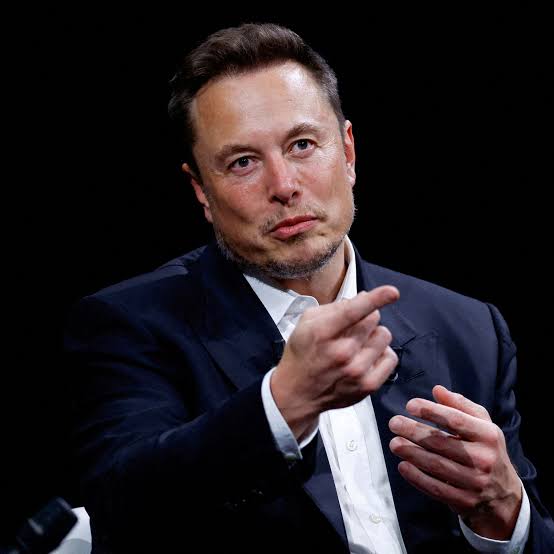
Elon Musk has thrown his weight behind a potential merger between electric vehicle manufacturer Tesla and aerospace giant SpaceX, a move that could create a technology powerhouse valued at approximately $3.5 trillion.
Musk endorsed the idea during a discussion with analysts on Tuesday, October 20, saying he believed there was considerable merit in combining the two companies.
However, he cautioned that a deal was not guaranteed, as independent committees review the proposal and shareholders would ultimately have a say.
According to Reuters, the proposed merger reflects Musk’s expanding ambitions across artificial intelligence (AI), robotics, satellite communications, energy storage and space-based computing.
The combination would bring together Tesla’s electric vehicles, autonomous-driving technology and humanoid robots with SpaceX’s rocket-launch operations, Starlink satellite-internet network and expanding AI infrastructure.
Why Musk wants the merger
A major motivation is the growing overlap between the companies’ technological operations.
Tesla is investing heavily in AI-powered vehicles, its Optimus humanoid robot programme and advanced manufacturing.
SpaceX, meanwhile, is developing launch systems and satellite networks while expanding its computing capabilities to serve the rapidly growing AI industry.
Bringing the businesses together could allow engineers, researchers and manufacturing teams to share expertise and resources more efficiently.
The companies could also coordinate investments in semiconductor production, batteries, robotics and computing infrastructure, potentially reducing duplication and accelerating product development.
Their proposed Terafab semiconductor initiative illustrates the growing relationship between Musk’s businesses, as advanced chips become increasingly important to AI systems, autonomous vehicles and robotics.
A unified company could also direct funding towards projects that serve several business divisions rather than managing each investment separately.
Space, AI and the future of computing
The proposed merger could support Musk’s long-term ambition to build an integrated technology empire operating both on Earth and beyond.
SpaceX’s rocket capabilities and Starlink network could complement Tesla’s expertise in energy storage, automation and AI.
In the future, Musk has also expressed interest in space-based computing infrastructure as demand for processing power continues to increase.
For investors, the attraction would be exposure to several major technology markets through a single corporate entity.
Tesla shareholders would gain access to SpaceX’s satellite communications and space businesses, while SpaceX investors would obtain exposure to Tesla’s automotive, energy and robotics operations.
However, combining the companies would also expose investors to a broader range of financial and operational risks.
A $3.5 trillion technology giant
The proposed valuation would place the combined business among the world’s most valuable corporations. SpaceX and Tesla have been valued at approximately $2 trillion and $1.5 trillion respectively, although valuations can change with market conditions.
SpaceX recently reported third-quarter revenue of $14.6 billion and net income of $4.4 billion, according to the Associated Press, strengthening the argument that its business extends well beyond rocket launches.
Nevertheless, a merger would face significant challenges. Tesla has substantial manufacturing operations in China, while SpaceX maintains important contracts with the United States government, NASA and defence agencies. The combination could attract regulatory and national-security scrutiny.
Corporate governance is another concern because Musk leads both companies and has financial interests in each. Independent directors must therefore assess the proposal, and Tesla shareholders must be persuaded that the deal offers sufficient value.
For now, the merger remains under consideration. Its ultimate success will depend on whether the anticipated technological advantages outweigh the financial, regulatory and management risks of combining two vast businesses.