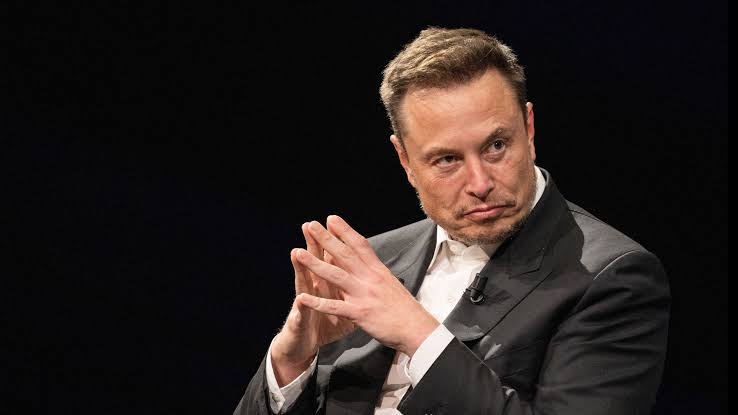
Billionaire entrepreneur Elon Musk is facing an uncertain political and business future following a sweeping Democratic victory in the 2026 United States midterm elections, despite spending nearly half a billion dollars to support Republican candidates.
The election results have dealt a significant setback to Musk’s political investments, with Democrats winning control of both chambers of Congress and making historic gains in Texas, a state that has remained a Republican stronghold for decades.
According to reports, Musk spent approximately $458 million supporting Republican candidates and political organisations during the election cycle, making him one of the biggest individual political donors in modern American history.
However, the financial intervention did not produce the political outcome he had hoped for, as Democratic candidates recorded major victories across several competitive states.
Texas proved particularly significant. Democrat Gina Hinojosa won the governorship, ending more than three decades of Republican control, while Democrat James Talarico defeated Republican Ken Paxton in the closely watched Senate contest.
The victories marked a dramatic political shift in a state that has traditionally been central to Republican electoral strength.
Musk had directed substantial financial resources towards supporting Paxton, with donations and political spending associated with the billionaire reaching more than $200 million in the Texas contest alone, according to election spending reports.
The defeat has raised questions about the influence of wealthy political donors and whether enormous campaign contributions can guarantee electoral success.
For Musk, however, the consequences extend beyond electoral politics.
His business interests, including electric vehicle manufacturer Tesla, aerospace company SpaceX and artificial intelligence venture xAI, have significant relationships with the United States government.
Democratic lawmakers have previously expressed concerns about government contracts, federal subsidies and Musk’s involvement in the administration of President Donald Trump, particularly during his leadership role in the Department of Government Efficiency.
With Democrats now controlling Congress, renewed investigations into these relationships could become a major challenge for his business operations.
SpaceX, which has secured billions of dollars in government contracts for space exploration, satellite communications and national security programmes, could face closer congressional scrutiny.
Tesla could also encounter questions surrounding federal incentives for electric vehicles, while Musk’s expanding artificial intelligence ambitions may attract greater attention over energy consumption, infrastructure development and regulatory compliance.
Another emerging concern is the future of data-centre development in Texas, where Musk has been expanding his technology ambitions.
Hinojosa has called for a halt to new data-centre projects until stronger community protections are introduced and tax incentives are reconsidered.
Such a position could complicate plans linked to Musk’s artificial intelligence and computing investments, particularly as demand for electricity, land and infrastructure continues to grow.
The political transition has also raised concerns among investors. Reuters reported that Tesla and SpaceX shares fell in premarket trading following the election outcome, reflecting uncertainty over the potential implications of increased Democratic oversight.
Musk’s relationship with the Trump administration had provided his companies with access to influential political networks, although the extent to which that relationship translated into direct commercial benefits remains a subject of political debate.
Democratic lawmakers are expected to examine issues surrounding federal spending, government contracts, regulatory decisions and the administration’s previous cost-cutting initiatives.
The election could also revive scrutiny of Musk’s political activities, particularly his substantial financial contributions to Republican-aligned political action committees and his public interventions in American political debates.
Despite the setbacks, Musk retains considerable financial resources and influence across several important industries. SpaceX remains a major player in America’s space programme, while Tesla continues to compete in the global electric vehicle market.
His next challenge may therefore be navigating a political environment in which the party controlling Congress has expressed interest in investigating some of the very government relationships that underpin his business empire.
The outcome also raises broader questions about the relationship between billionaire wealth, campaign financing and democratic accountability in the United States.
For Musk, the 2026 midterms have demonstrated that enormous financial contributions do not necessarily translate into electoral victories.
The immediate question is whether the new Democratic-controlled Congress will pursue aggressive investigations into his companies or adopt a more measured approach to oversight.
Either way, the election has ushered in a new political reality for one of America’s most influential business figures.