Global oil prices fell on Monday as renewed diplomatic efforts between Iran and the United States raised hopes of reopening the strategically important Strait of Hormuz, although US President Donald Trump maintained the possibility of fresh military strikes against Tehran.
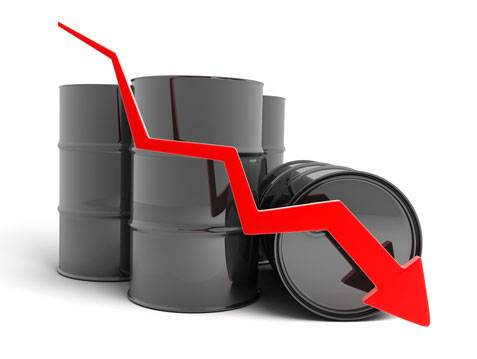
Brent crude, the international benchmark, traded at approximately $108.50 per barrel in early trading on Monday, November 2, representing a decline of about 2.8 per cent from Friday’s closing price.
Similarly, US benchmark West Texas Intermediate (WTI) dropped by approximately three per cent to below $100 per barrel, reflecting growing optimism among traders that diplomatic negotiations could prevent another escalation of the Middle East conflict.
The price decline followed discussions involving Iranian negotiators and Qatari mediators over a proposal that could see shipping operations through the Strait of Hormuz restored within two days, provided Washington accepts Tehran’s conditions.
Iranian Foreign Minister Abbas Araghchi said the proposed arrangement could facilitate the reopening of the vital maritime corridor, which has experienced severe disruptions since the conflict involving Iran, the United States and Israel began in late February.
The Iranian government has reportedly demanded an end to the American naval blockade of its ports, the lifting of sanctions affecting its oil exports and a cessation of hostilities across regional fronts.
Tehran also insists that any agreement must address security arrangements and restrictions affecting commercial shipping through the waterway.
The Strait of Hormuz, situated between Iran and Oman, is one of the world’s most important energy transportation routes, traditionally carrying approximately one-fifth of global oil supplies.
Its prolonged disruption has raised concerns about international energy security, shipping costs, inflation and the availability of petroleum products across major economies.
However, optimism surrounding the negotiations remains fragile, particularly as Trump continues to send mixed signals about Washington’s willingness to pursue diplomacy.
Speaking to reporters during a Halloween gathering at his Mar-a-Lago resort in Florida, Trump described the negotiations as progressing well but questioned Iran’s reliability.
He also indicated that American military options remained available, suggesting that Washington could still target one or two Iranian facilities if necessary.
When asked whether the United States could return to military action during the week, Trump declined to provide a definitive answer.
US Secretary of State Marco Rubio also confirmed that no final decision had been taken regarding renewed military operations, while maintaining that the administration preferred a diplomatic resolution.
Meanwhile, Israeli Prime Minister Benjamin Netanyahu reportedly urged Trump to consider resuming attacks against Iran immediately after Tuesday’s US midterm elections.
The uncertainty has continued to influence oil market expectations despite Monday’s decline.
Goldman Sachs estimated that geopolitical risks accounted for approximately $27 of the recent increase in crude prices, with Brent having briefly climbed to $118 per barrel during October.
The investment bank also raised its end-of-year Brent price forecast to $105 per barrel, citing continuing supply uncertainties.
Fresh security concerns emerged after the UK Maritime Trade Operations centre reported an incident involving a projectile striking a vessel in the Strait of Hormuz.
Consequently, analysts warn that Monday’s price decline may represent temporary market relief rather than a lasting recovery.
For oil-importing countries, including Nigeria, sustained reductions in international crude prices could eventually ease pressure on fuel costs, although domestic pump prices will also depend on exchange rates, refining costs and local market conditions.
With negotiations still unresolved and military action remaining a possibility, global energy markets are likely to remain highly sensitive to developments between Washington and Tehran.