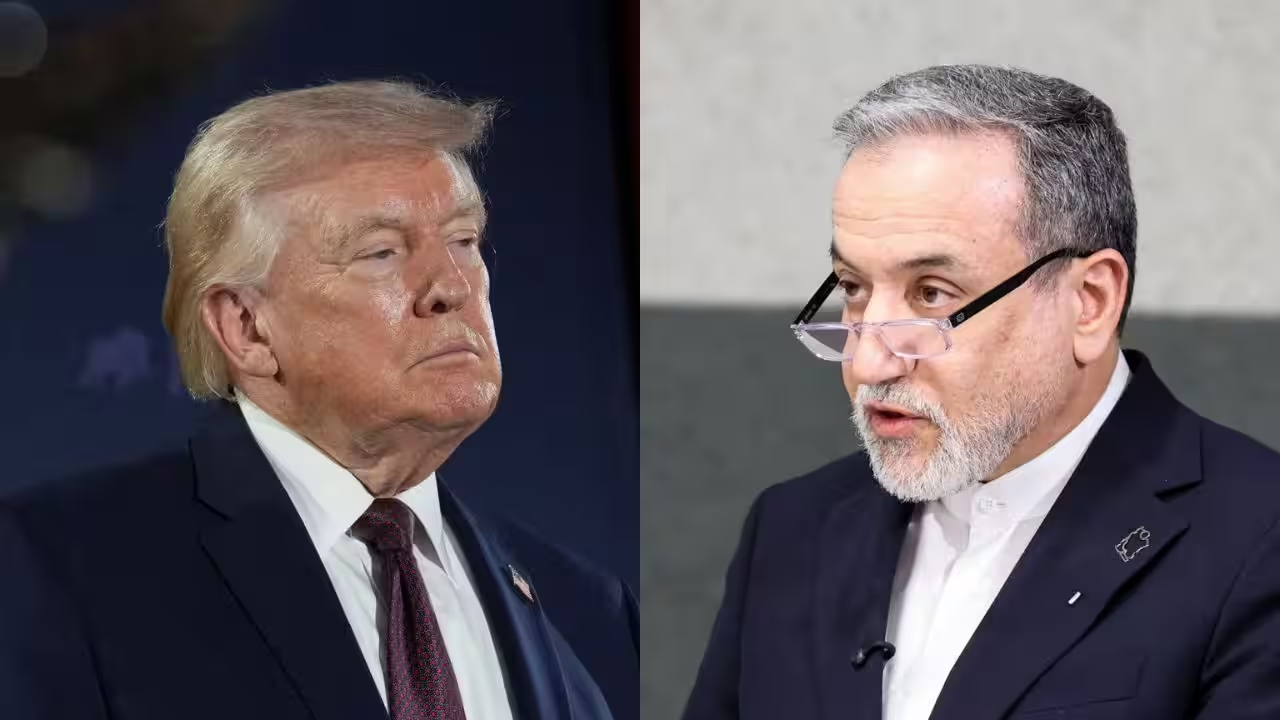
Iran has announced that it could reopen the strategically important Strait of Hormuz within two days if the United States agrees to meet a series of conditions put forward by Tehran, raising fresh hopes of a diplomatic breakthrough in the ongoing Middle East conflict.
Iranian Foreign Ministry spokesman, Esmaeil Baghaei, disclosed the proposal on Monday, November 2, 2026, describing the shortened timeline as evidence of Tehran’s willingness to pursue a peaceful resolution to the crisis.
According to Baghaei, Iran had initially proposed a seven-day arrangement for reopening the waterway but was now prepared to implement the plan within 48 hours if Washington accepted its demands.
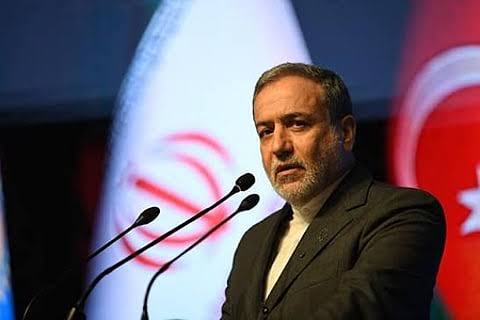
He said the possibility of implementing the proposal within two days demonstrated Iran’s good faith, adding that the restoration of security in the strait would also create an opportunity to resume negotiations.
Baghaei explained that diplomatic communications between Tehran and Washington were continuing through mediators, particularly Qatar, but stressed that the next steps depended entirely on the American government’s response.
Among Iran’s major conditions are an end to hostilities across all fronts, the lifting of American sanctions targeting its oil industry, the unfreezing of Iranian financial assets held abroad and the termination of the United States naval blockade of Iranian ports.
Iranian Foreign Minister, Abbas Araghchi, has also outlined additional requirements, including an agreement on a new maritime transit arrangement through the Strait of Hormuz jointly agreed upon by Iran and Oman.
Tehran is further demanding a reduction in American military presence in the Middle East and the removal of additional sanctions imposed in recent months.
Under the proposed arrangement, the United States would implement the required measures on the first day, while Iran would reopen the strategic waterway on the second day, allowing commercial shipping to resume.
The diplomatic initiative comes amid heightened military tensions between Iran, the United States and Israel, following months of hostilities that have disrupted regional security and international energy supplies.
The Strait of Hormuz remains one of the world’s most important maritime energy corridors, providing a critical passage for oil and liquefied natural gas shipments from Gulf producers to international markets.
Its continued disruption has raised concerns over global energy prices, shipping costs, insurance premiums and the stability of international trade.
Qatar has emerged as an important intermediary in the negotiations, with Iranian Deputy Foreign Minister Kazem Gharibabadi travelling to Doha to advance discussions.
China has also indicated plans to send a special envoy to Iran, Oman and Saudi Arabia to encourage diplomatic engagement and prevent further escalation.
However, there is no indication that Washington has accepted Tehran’s conditions or that a final agreement has been reached.
US President Donald Trump has maintained a tough position on Iran, while leaving room for diplomatic engagement.
For now, the proposed 48-hour reopening remains conditional, with international attention focused on Washington’s response and whether diplomatic efforts can prevent another escalation in the Middle East.