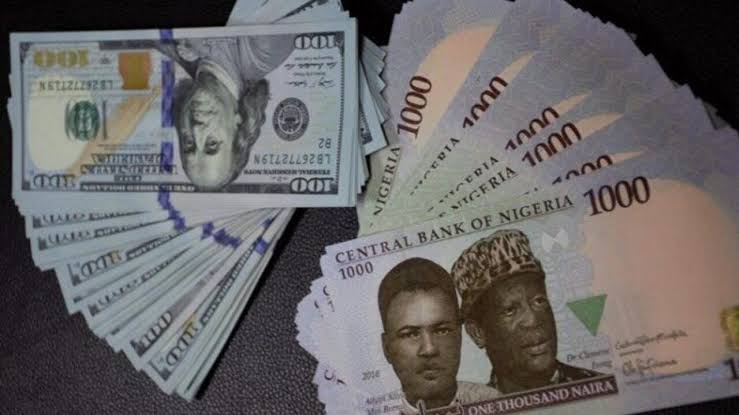
The Nigerian naira traded within a relatively narrow range against the United States dollar on Wednesday, October 28, 2026, with the official exchange rate hovering around ₦1,353 per dollar, while parallel-market dealers quoted higher rates of approximately ₦1,375 to ₦1,390.
Data published by Monierate showed the official dollar buying rate at ₦1,353.87 and the selling rate at ₦1,352.87 as of 12:10 p.m. on Wednesday.
Meanwhile, parallel-market quotations reported by currency trackers indicated that dealers were buying dollars at about ₦1,375 and selling at approximately ₦1,390, although rates vary by location and individual operator.
The difference between official and parallel-market quotations remains important for individuals and businesses requiring foreign currency for international transactions, imports, travel, tuition payments and other overseas obligations.
Official and black-market exchange rates
The following are indicative dollar-to-naira rates reported for Wednesday, October 28, 2026.
| Market | Rate per US dollar |
| Official market selling rate | ₦1,352.87 |
| Official market buying rate | ₦1,353.87 |
| Parallel market buying rate | ₦1,375 |
| Parallel market selling rate | ₦1,390 |
The parallel-market selling rate means customers purchasing dollars from dealers may pay around ₦1,390 for each dollar, while those selling their dollars may receive approximately ₦1,375. The actual amount depends on the dealer, transaction size and prevailing market conditions.
Factors influencing the naira’s performance
Foreign exchange supply, demand from importers and businesses, monetary policy and international capital flows remain important factors affecting the naira’s value.
The availability of dollars through official banking channels and other legitimate sources can help ease pressure on the local currency. Conversely, increased demand for foreign exchange to settle import bills, pay overseas school fees and finance international travel can influence market quotations.
Market data from Investing.com showed the dollar trading at approximately ₦1,345.30 on its USD/NGN currency feed on Wednesday, with an intraday range of about ₦1,340.68 to ₦1,346.41.
The figures reflect movements on that platform and may differ from official Nigerian market quotations.
The Central Bank of Nigeria’s foreign exchange policies and the availability of foreign reserves will also remain important to the currency market. However, the direction of the naira will depend on how effectively dollar supply meets demand in the coming days.
What the exchange rate means for Nigerians
For Nigerians receiving money from relatives abroad, a higher dollar-to-naira rate generally means more naira when foreign currency is converted, depending on the provider’s fees and exchange rate.
However, a weaker naira can increase the cost of imported goods, including electronics, machinery, medicines and some food products. Businesses that depend heavily on imported materials may face higher operating costs, potentially putting additional pressure on consumer prices.
Students paying international tuition fees and Nigerians planning overseas trips may also need to budget carefully because even small exchange-rate changes can significantly affect their expenses.
Financial experts and currency users should therefore distinguish between official rates, bank transaction rates and parallel-market quotations before making financial decisions.
As of Wednesday, October 28, the dollar was quoted at around ₦1,353 in the official market and as high as ₦1,390 in the parallel market.
Nigerians are advised to confirm prevailing rates with their banks or licensed foreign exchange operators before completing transactions.