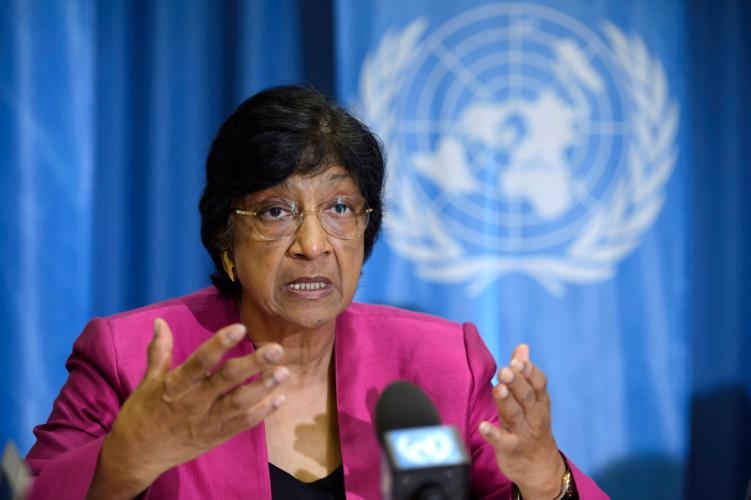
South African-born jurist Navi Pillay has emerged as the 2026 Nobel Peace Prize winner, drawing renewed attention to United States President Donald Trump’s long-standing desire to receive the prestigious international award.
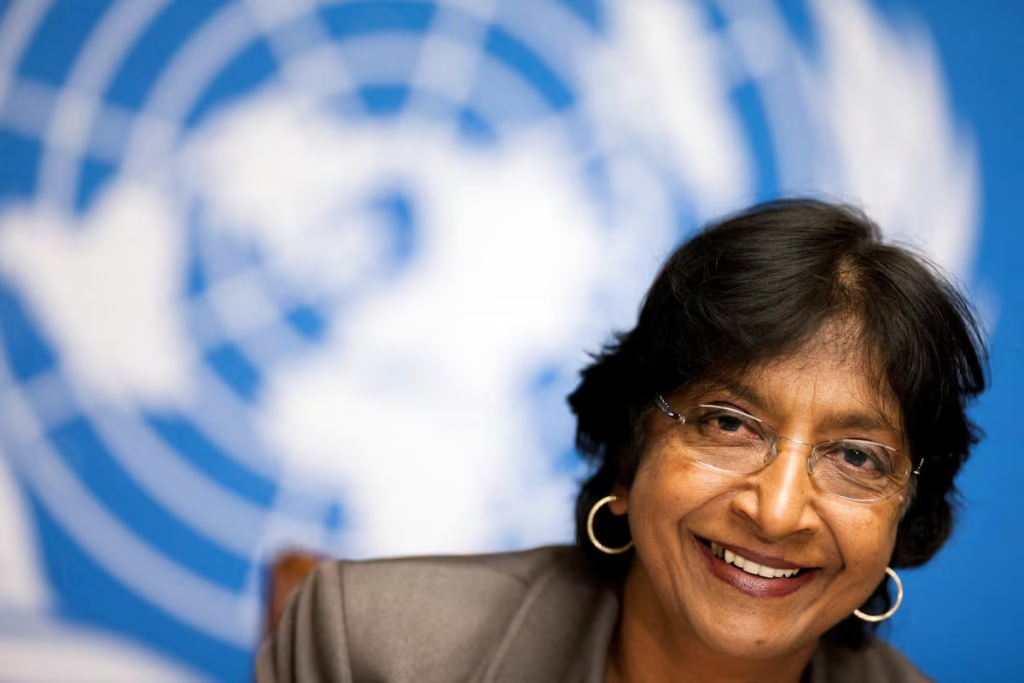
Pillay, a former United Nations High Commissioner for Human Rights, was announced as this year’s laureate on Friday, October 9, in recognition of her decades-long commitment to international justice, human rights and the prosecution of war crimes.

The announcement comes amid renewed scrutiny of Trump’s pursuit of the award, which he has repeatedly argued he deserves for his claimed contributions to resolving international conflicts.
Reports surrounding the announcement have highlighted the political tensions associated with the prize, particularly as Trump has openly expressed frustration over previous decisions not to recognize his diplomatic efforts.
Pillay’s recognition underscores the Nobel Committee’s emphasis on international law, accountability and the protection of human rights as essential foundations for lasting peace.
Throughout her distinguished legal career, the 85-year-old jurist has occupied several influential positions, including serving as a judge at the International Criminal Tribunal for Rwanda and the International Criminal Court.
She also led the UN human rights office between 2008 and 2014.
Her work has contributed to international efforts to prosecute genocide, crimes against humanity and other serious violations of international law.
The Nobel Committee’s decision has also revived debate about the relationship between political ambition and international recognition, especially when world leaders publicly campaign for prestigious awards.
Trump has repeatedly claimed that his diplomatic interventions merit the Nobel Peace Prize. However, his foreign policy approach and the continuation of major international conflicts have generated debate over whether his record aligns with the award’s objectives.
The Nobel Peace Prize is selected by an independent five-member Norwegian Nobel Committee, which evaluates candidates according to the award’s established criteria.
Unlike political honors, the Nobel Peace Prize is not determined by a recipient’s personal campaign or public expressions of interest.
Its selection is intended to recognize contributions to peace, international cooperation and the advancement of human rights.
Pillay’s award therefore represents recognition of a career built around legal accountability and the defense of fundamental freedoms, rather than a response to the political ambitions of any individual leader.
The announcement is expected to intensify conversations about the role of international institutions at a time when conflicts, geopolitical rivalries and disagreements over human rights continue to challenge the global order.
For Trump, the decision represents another year without the Nobel Peace Prize he has repeatedly said he deserves. For Pillay, it marks international recognition of decades spent advancing justice and strengthening the legal principles intended to prevent atrocities and protect vulnerable populations.
As reactions to the announcement continue, the award places renewed emphasis on the distinction between seeking international recognition and earning it through sustained contributions to peace and justice.
The remark about sharing the Nobel Peace Prize with Trump is associated with Venezuelan opposition leader María Corina Machado, the 2025 laureate, rather than 2026 winner Navi Pillay.
Machado expressed a desire to share her award with Trump in January 2026, but Nobel authorities clarified that the title of laureate cannot be transferred or shared.