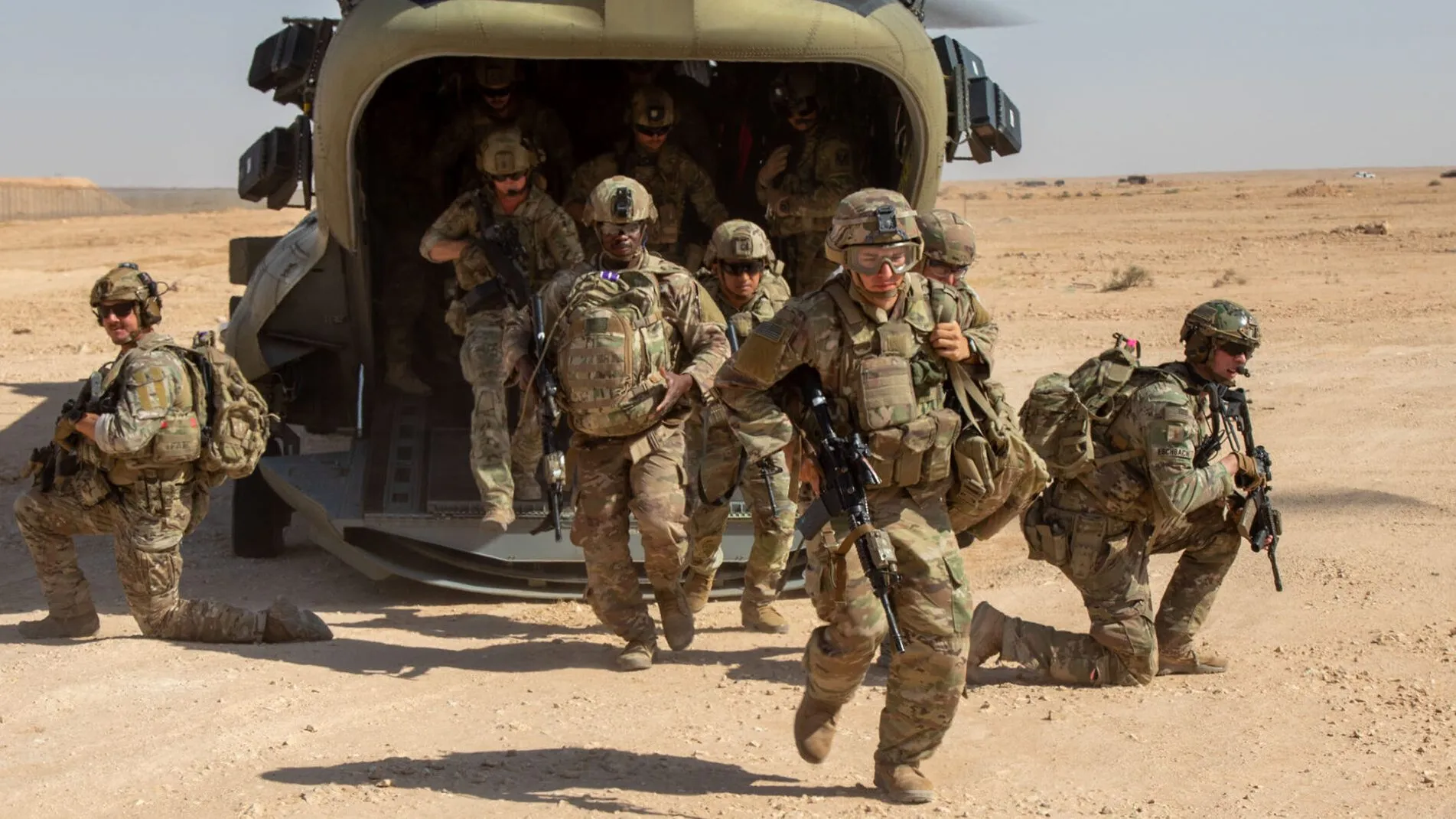
The United States is in the final stage of withdrawing its military forces from Iraq, bringing an end to a military presence that began with the 2003 invasion and later evolved into a multinational campaign against Islamic State militants.
As of September 28, the withdrawal is still being completed, with Washington and Baghdad maintaining that September 30 remains the deadline for ending the US-led coalition’s military mission in Iraq.
A US State Department spokesperson said last week that the transition remained on schedule and was proceeding according to the timeline agreed by the two countries.
The departure represents a major turning point in the relationship between the two countries. American forces initially entered Iraq in 2003 as part of the military operation that removed Saddam Hussein’s government.
At the height of the subsequent counterinsurgency campaign, the US military presence expanded dramatically, reaching more than 170,000 troops in 2007.
After the bulk of US combat forces left Iraq in 2011, American troops returned in 2014 as part of an international coalition formed to combat the Islamic State group, which had seized large areas of Iraq and Syria.
The latest withdrawal follows a 2024 agreement between Washington and Baghdad to wind down the coalition’s military mission in Iraq and move toward a bilateral security relationship.
By January 2026, coalition advisers had already withdrawn from military bases and headquarters in Iraq’s federal territories, although American personnel remained in the autonomous Kurdistan region.
The remaining troops in northern Iraq have been gradually withdrawn, with US military equipment and personnel expected to be redeployed to other locations in the region.
US officials have said the changing security environment and the reduced operational importance of the remaining base have contributed to the decision.
Iraqi officials have described the September 30 deadline as a significant moment for national sovereignty.
Iraqi military spokesman Sabah al-Numan said the end of the coalition mission would mark a new phase in which Iraqi security institutions assume full responsibility for the country’s security.
However, the withdrawal comes amid unresolved security and political questions. The Iraqi government has also sought to place weapons held by non-state armed groups under state control.
Several powerful Iran-backed militias have indicated that they are not prepared to surrender their weapons, creating uncertainty about how Baghdad will manage the country’s competing security structures.
The end of the US military mission does not necessarily mean an end to American-Iraqi cooperation.
Washington has indicated that it intends to maintain a broader bilateral relationship with Baghdad, including security cooperation, while Iraqi forces take primary responsibility for confronting terrorist threats.
For Iraq, the departure closes one of the most consequential chapters in its modern history.
For the United States, it marks the formal conclusion of a military engagement that stretched across more than two decades, while leaving both countries to define a new relationship without a permanent American military presence on Iraqi soil.