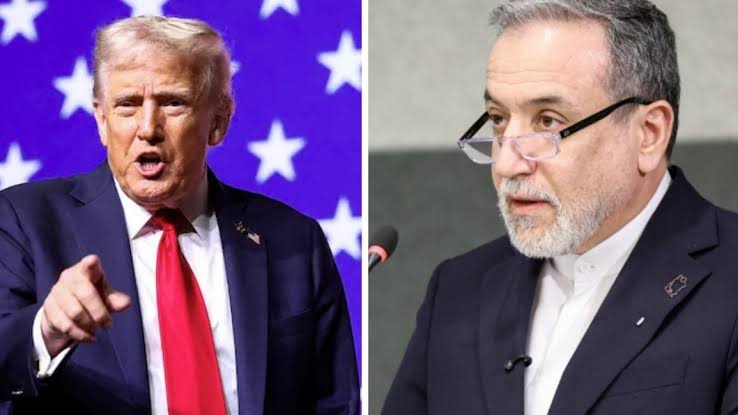
Iran has reiterated its call for a diplomatic settlement to its conflict with the United States and Israel, despite US President Donald Trump rejecting Tehran’s latest proposal aimed at reopening the strategically important Strait of Hormuz and ending the fighting.
Iranian Foreign Minister Abbas Araqchi said Tehran remained committed to negotiations, but stressed that any move to reopen the vital waterway would depend on the fulfilment of conditions set by Iran.
“Our conditions are clear,” Araqchi said in a statement posted on social media. He added that only a negotiated settlement could resolve the current impasse.
The Iranian proposal was presented during the United Nations General Assembly in New York and transmitted to Washington through Qatari mediators.
Tehran said the proposal could lead to the reopening of the Strait of Hormuz and a pause in regional hostilities.
Trump, however, said on Saturday that he had rejected the Iranian proposal. He argued that Tehran was seeking an immediate agreement on the waterway because of the pressure it was facing.
Despite Trump’s public rejection, Araqchi said Iranian officials had not yet received an official response from US mediators. Tehran, he said, was waiting for the mediators to communicate Washington’s definitive position before deciding on its next step.
The disagreement comes amid a conflict that has lasted about seven months and has affected shipping and energy markets.
The Strait of Hormuz is one of the world’s most important oil transit routes, making any prolonged disruption potentially significant for international energy supplies and prices.
According to Araqchi, Iran’s proposed arrangement would create a seven-day countdown towards reopening the strait and suspending regional fighting. Broader negotiations could then begin on issues mutually agreed upon by the two sides, potentially including Iran’s nuclear programme.
Tehran has nevertheless maintained firm positions on its nuclear activities. A senior Iranian official told Reuters that Iran would not accept concessions concerning what it considers its rights, including uranium enrichment, even if Washington accepted the proposed agreement.
Iranian President Masoud Pezeshkian has also said his country is prepared to discuss its nuclear programme and other outstanding issues but would not accept what he described as pressure or coercion.
He said Iran was not seeking war but would defend itself against threats and attacks.
The United States, meanwhile, has demanded that Iran prevent the development of nuclear weapons.
Previous diplomatic initiatives have failed to produce a lasting settlement, while the conflict has continued to affect security across the wider Middle East.
With Tehran still advocating negotiations and Washington rejecting the latest proposal, international mediators face the challenge of finding common ground between the two sides.
The future of the Strait of Hormuz, regional security and the wider economic consequences of the conflict remain closely tied to whether another diplomatic channel can be established.