The Archbishop of Canterbury has withdrawn an interfaith award presented to Pakistani Muslim cleric Hafiz Muhammad Tahir Mehmood Ashrafi after past remarks praising Osama bin Laden resurfaced, triggering criticism over the recognition and its timing on the 25th anniversary of the September 11 terrorist attacks.
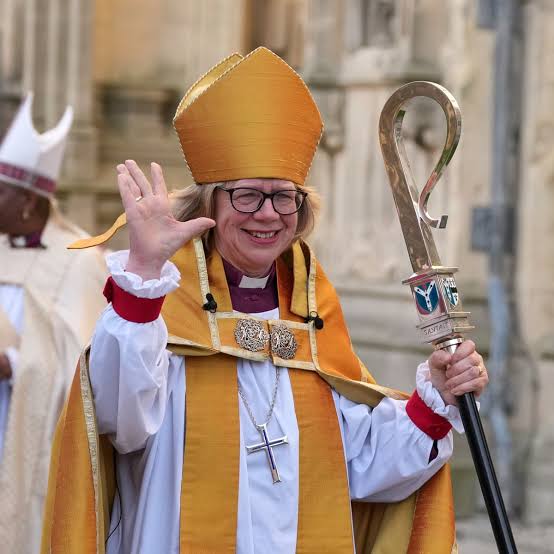
The award, known as the Hubert Walter Award for Reconciliation and Interfaith Cooperation, was presented to Ashrafi at Lambeth Palace on September 11 by Archbishop Dame Sarah Mullally.
The honor recognized his work supporting religious minorities in Pakistan, particularly the Christian community, and promoting interfaith harmony.
However, the recognition quickly came under scrutiny after reports drew attention to comments Ashrafi made in 2007, when he was serving as head of the Pakistan Ulema Council.
He had proposed giving bin Laden the Islamic title “Saifullah”, meaning “Sword of God”, and described him as someone who had fought for Islam against Russia, the United States and Britain.
The remarks were made in the context of opposition to Britain awarding a knighthood to author Salman Rushdie.
Bin Laden, the founder of al-Qaeda, was responsible for the September 11, 2001, terrorist attacks in the United States, which killed nearly 3,000 people.
The anniversary ceremony at Lambeth Palace therefore attracted particular attention from critics who argued that the cleric’s historical comments were incompatible with the purpose of an award dedicated to reconciliation.
The National Secular Society criticized the decision to honor Ashrafi, calling it an inappropriate recognition given the date and the nature of his earlier statements. Other critics, including British politicians and religious figures, also questioned the process through which the award had been approved.
In response to the controversy, Lambeth Palace announced that the award was being withdrawn after the earlier comments came to light.
The decision followed a review of the recognition and its compatibility with the Church of England’s commitment to reconciliation and interfaith cooperation.
Ashrafi’s supporters have defended his record, maintaining that his comments were made in a particular political and religious context and that the Pakistan Ulema Council has consistently opposed terrorism.
The defence has added another dimension to the debate over how public figures’ historical statements should be considered alongside their subsequent work.
The controversy has raised broader questions about the responsibilities of religious institutions when conferring honors.
It has also highlighted the difficulties of sustaining interfaith dialogue while addressing statements that appear to conflict with the values such dialogue seeks to promote.
For the Church of England, the withdrawal represents a decision to reassess an award after concerns were raised about the recipient’s past public remarks. For critics, it underscores the importance of thorough scrutiny before honors are conferred, particularly on occasions connected to major terrorist tragedies.