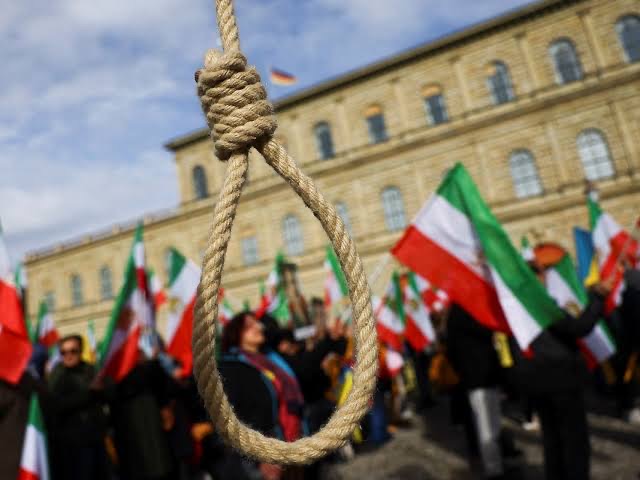
Iran has intensified its crackdown on political dissent, with authorities carrying out public executions of protesters in a move human-rights organisations say is intended to intimidate the population and discourage further opposition to the government.
The latest executions took place in Isfahan on July 28, when two young men, Amirhossein Safari and Abolfazl Sepahi, were publicly hanged after being convicted in connection with anti-government protests earlier in the year.
Their executions have drawn widespread condemnation from international human-rights organisations, which questioned the fairness of the proceedings and described the use of the death penalty against protesters as a tool of repression.
The executions came amid a broader escalation in the use of capital punishment against people accused of national-security offences.
UN High Commissioner for Human Rights Volker Türk said last week that Iran had executed at least 56 people on national-security-related charges since March 19, including 27 individuals linked to anti-government protests.
More than 100 others reportedly face similar charges and the possibility of execution.
Human-rights organisations argue that staging executions publicly sends a deliberate message to ordinary Iranians: participation in demonstrations or opposition to the authorities could result in death.
Amnesty International said the public execution of the two protesters marked a further escalation in Iran’s use of the death penalty to crush dissent.
The organisation warned that at least 60 other people, including individuals who were children when their alleged offences occurred, remained at risk of execution.
The controversy has also centred on the judicial process.
Amnesty and other rights organisations have reported concerns about politically motivated prosecutions, allegedly forced confessions, torture and trials that failed to meet international standards of fairness.
Amnesty reported in May that at least 36 people had already been executed after politically motivated convictions and that at least 78 protesters, dissidents and others were under sentence of death.
Iranian authorities, however, maintain that those sentenced to death committed serious crimes and pose threats to national security. Iranian officials have defended the death penalty as lawful and necessary for public security.
The public nature of the executions has nevertheless intensified fears that capital punishment is being transformed from a judicial measure into a political instrument.
Analysts and activists say displaying executions before members of the public can serve as a warning to millions of Iranians who might otherwise consider joining demonstrations.
But the strategy carries its own risks.
Rather than eliminating opposition, the executions have generated anger, grief and further calls for accountability among protesters and families of those killed.
Iran’s increasingly severe approach has therefore placed the country at the centre of renewed international concern over human rights.
The United Nations and rights organisations have urged Tehran to halt executions linked to political dissent and ensure that defendants receive fair trials.
For many Iranians, the executions have become a powerful symbol of the widening confrontation between an increasingly uncompromising state and citizens demanding political and social change.