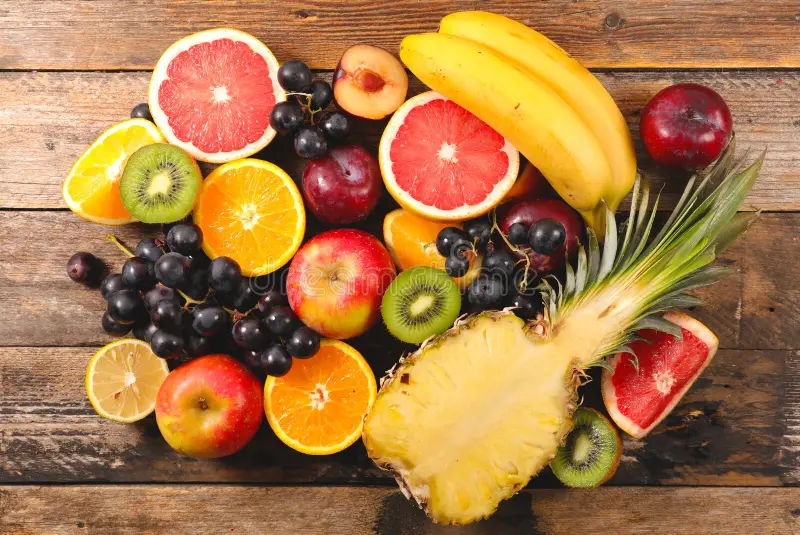
Fruits are an excellent source of essential vitamins and minerals, and they are high in fiber. Fruits also provide a wide range of health-boosting antioxidants, including flavonoids.
The exact nutritional value and health benefits may vary from fruit to fruit. Personal preference and dietary aims may influence the best type of fruit for someone.
This article looks at the nutrition and varied health benefits of 12 different fruits, as well as answering some frequently asked questions about fruits

Benefits and nutrition of lemons
Lemons are a citrus fruit. Like other citrus fruits, they contain vitamin C and other antioxidants.
Antioxidants are essential for human health. These compounds mop up free radicals in the body that can damage the body’s cells and lead to diseases, such as cancers.
Researchers believeTrusted Source that the flavonoids in lemon and other citrus fruits have antibacterial, anticancer, and antidiabetic properties.
Citrus fruits, including lemons, contain active components called phytochemicals that benefit health.
These include Trusted Source:
- vitamin C
- folate
- potassium
- pectin
- The following are in 48 grams (g) of lemon juice:
- 10.6 calories
- 3.31 g carbohydrate
- 49.4 milligrams (mg) potassium
- 18.6 mg vitamin C
- 2.88 mg calcium
- 0.1 g of fiber
- Lemons also contain:
- thiamin
- riboflavin
- niacin
- vitamin B6
- folate
- vitamin A
Benefits and nutrition of strawberries
Strawberries are a juicy red fruit with a high water content.
Strawberries contain many healthful vitamins and minerals. Of particular note, they contain anthocyanins, which are flavonoids that can help boost heart health.
One cup, or 150 g, of strawberries provides the following nutrientsTrusted Source:
- 48 calories
- 11.5 g carbohydrate
- 3 g of fiber
- 24 mg of calcium
- 19.5 mg of magnesium
- 230 mg of potassium
- 88.2 mg of vitamin C
Strawberries also contain:
- thiamin
- riboflavin
- niacin
- folate
- vitamins B6, A, and K
Benefits and nutrition of oranges
Oranges are a sweet, round citrus fruit packed with vitamins and minerals.
Oranges are among the richest sources of vitamin C, with one medium orange providing 78%Trusted Source of a person’s daily value of vitamin C.
A 140 g orange also contains the following nutrientsTrusted Source:
- around 65 calories
- 16.5 g carbohydrate
- 2.8 g of fiber
- 60.2 mg of calcium
- 15 mg of magnesium
- 232 mg of potassium
- 82.7 mg of vitamin C
Vitamin C acts as a powerful antioxidant in the body. This vitamin is also essential for immune system function. It boosts immune function by helping the body absorb iron from plant-based foods.
Oranges also contain B vitamins, including thiamin and folate, which help keep the nervous and reproductive systems healthy and help create red blood cells.
Benefits and nutrition of limes
Limes are a sour citrus fruit.
Like other citrus fruits, limes provide a healthful dose of vitamin C.
The juice of one lime provides the following nutrientsTrusted Source:
- 11 calories
- 3.7 g carbohydrate
- 6.16 g calcium
- 3.52 mg magnesium
- 51.5 mg potassium
- 13.2 mg vitamin C
»Learn more:What are the health benefits of lemons vs. limes?
Benefits and nutrition of grapefruit
Grapefruits are sour fruits full of health-inducing vitamins and minerals. Grapefruits can be pink, red, or white.
Half a grapefruit (154 g) contains the following nutrientsTrusted Source:
- 64.7 calories
- 16.4 g carbohydrate
- 2.46 g fiber
- 33.9 g calcium
- 13.9 g magnesium
- 208 g potassium
- 48 g vitamin C
A 2017 review study suggests the compounds called furanocoumarins found in grapefruits can help protect against oxidative stress and tumors, and they may support healthy bones.
Some research from this review suggests that grapefruit furanocoumarins may have anticancer properties. However, researchers still need to carry out more studies to confirm these properties.

People may wish to contact a doctor before adding grapefruit to their diet, as it can interact with certain medications.
Benefits and nutrition of blackberries
Like other berries, blackberries contain health-boosting anthocyanins.
Blackberries contain many seeds, so they have a high fiber content. This means they can help improve gut health and heart health.
Half a cup (75 g) of blackberries contains the following nutrientsTrusted Source:
- 32.2 calories
- 7.21 g carbohydrate
- 3.98 g fiber
- 21.8 mg calcium
- 15 mg magnesium
- 122 mg potassium
- 15.8 mg vitamin C
»Learn more:The proven health benefits of berries
Benefits and nutrition of apples
Apples make a quick and easy addition to the diet. Eat them with the skin on for the greatest health benefits.
Apples are high fiber fruits, meaning that eating them could boost heart health and promote weight loss. The pectin in apples helps to maintain good gut health.
Apples also have high levels of quercetin, a flavonoid that may have anti-cancer properties.
One medium apple (182 g) with the skin contains the following nutrientsTrusted Source:
- 94.6 calories
- 25.1 g of carbohydrate
- 4.37 g of fiber
- 195 mg of potassium
- 10.9 mg calcium
- 8.37 mg vitamin C
Benefits and nutrition of pomegranate
Some people consider pomegranates to be a ‘superfood.’ They are high in antioxidants and polyphenols, which help to combat the oxidative stress that can cause disease in the body.
A 2020 review concluded that pomegranates and pomegranate juice may help protect against:
- obesity
- diabetes
- heart conditions
- some cancers
One raw pomegranate (282 g) contains the following nutrientsTrusted Source:
- 234 calories
- 52.7 g of carbohydrate
- 11.3 g of fiber
- 666 mg of potassium
- 28.2 mg calcium
- 28.8 mg vitamin C
One pomegranate also contains 46.2 micrograms (mcg) of vitamin K. This vitamin is essential for strong bones and healthy blood cells.
Benefits and nutrition of pineapple
Pineapple is an exotic fruit that may helpTrusted Source reduce inflammation and promote healthy bowel movements.
Pineapple contains an active compound called bromelain, which many people take as a dietary supplement because of its potential health benefits.
The National Center for Complementary and Integrative HealthTrusted Source states that bromelain may help with reducing nasal inflammation or sinusitis, though more research is necessary.
Pineapples also containTrusted Source manganese, which the body uses to build bone and tissue.
A slice of pineapple (166 g) contains the following nutrientsTrusted Source:
- 83 calories
- 21.7 g carbohydrate
- 2.32 g fiber
- 181 mg potassium
- 79.3 mg vitamin C
- 21.6 mg calcium
- 1.54 mg manganese
Benefits and nutrition of bananas
Bananas are well known for their high potassium content. One banana (126 g) containsTrusted Source around 451 mg of potassium. Potassium helpsTrusted Source the body control blood pressure.
Bananas are also a good source of energy, with one banana containing 112 calories and 28.8 g of carbohydrate.
The 3.28 g of fiber in a banana can also help with regular bowel movements.
One banana also contains the following nutrients:
- 1.37 g protein
- 6.3 mg calcium
- 34 mg magnesium
- 11 mg vitamin C
Benefits and nutrition of avocado
Some people refer to avocados as a superfood because of their healthful qualities.
Avocados are high in monounsaturated fats. Monosaturated fats can help lower cholesterol levels.
The American Heart AssociationTrusted Source notes that maintaining healthy cholesterol levels with healthful fats could reduce the risk of heart disease and stroke.
Avocados are rich in potassium. They also contain lutein, an antioxidant that is importantTrusted Source for healthy eyes and skin.
One avocado (201 g) contains the following nutrientsTrusted Source:
- 322 calories
- 4.02 g protein
- 17.1 g carbohydrate
- 13.5 g fiber
- 24.1 mg calcium
- 58.3 mg magnesium
- 975 mg potassium
- 20.1 mg vitamin C
Avocados also contain:
- folate
- vitamin A
- beta carotene
Benefits and nutrition of blueberries
Blueberries can provide many health benefits.
Blueberries contain anthocyanin, which is a powerful antioxidant. Because of this, they might protect against heart disease, stroke, cancers, and other conditions.
Blueberries also containTrusted Source pterostilbene, a compound that may help prevent plaque from collecting in the arteries.
Half a cup of blueberries (75 g) provides the following nutrientsTrusted Source:
- 42.8 calories
- 10.9 g carbohydrate
- 1.8 g fiber
- 4.5 mg calcium
- 57.8 mg potassium
- 7.28 mg vitamin C
While there is no individual fruit that is the healthiest, berries are among the healthiest fruits to eat. They have high antioxidant levels, averaging nearly 10 times the antioxidants of other fruits and vegetables.
All fruits have health benefits, but people should eat a wide variety of fruits and vegetables to gain the most benefit. The colors in fruits and vegetables reflect their phytonutrient or antioxidant content. Eating a rainbow-colored selection will ensure people get the full spectrum of antioxidants
Examples of nutritious fruits include lemons, strawberries, oranges, limes, grapefruit, blackberries, apples, pomegranate, pineapple, bananas, avocado, and blueberries.
Different fruits have different health benefits. For the best results, add a variety of fruits to the diet.
By eating fruit, a person is providing their body with key vitamins, antioxidants, and dietary fiber. This can have significant benefits for heart health, digestion, weight management, and skin health.
People can enjoy a wide variety of fruits to improve their health and lower the risk of inflammation, heart disease, cancer, obesity, and diabetes.