A United States citizen working as an international aid worker in the Democratic Republic of the Congo (DRC) has tested positive for the Congo virus after returning from the Central African nation, marking another imported case linked to humanitarian work in the region.
According to health officials, the aid worker had been deployed in eastern DRC, where public health teams continue to respond to recurring outbreaks of viral hemorrhagic diseases.
The individual reportedly developed symptoms shortly after returning to the United States and sought medical care, prompting laboratory testing that confirmed the infection.
The patient is currently receiving treatment in an isolation unit at a specialized medical facility.
Health authorities said the individual’s condition is being closely monitored and that contact tracing has begun to identify anyone who may have been exposed during travel or after arrival in the United States.
Officials from the U.S. Centers for Disease Control and Prevention (CDC) emphasized that the risk to the general public remains low.
They noted that the virus is not spread through casual contact but typically requires direct exposure to the blood, bodily fluids, or contaminated materials of an infected person.
The Democratic Republic of the Congo has experienced repeated outbreaks of viral hemorrhagic fevers over the past several decades, often in remote areas where healthcare infrastructure is limited. International humanitarian organizations have maintained a strong presence in the country, providing medical assistance, disease surveillance, and emergency relief to affected communities.
Aid workers are considered among the groups at higher risk of exposure because they frequently work in healthcare settings or interact closely with patients and local communities during outbreak responses.
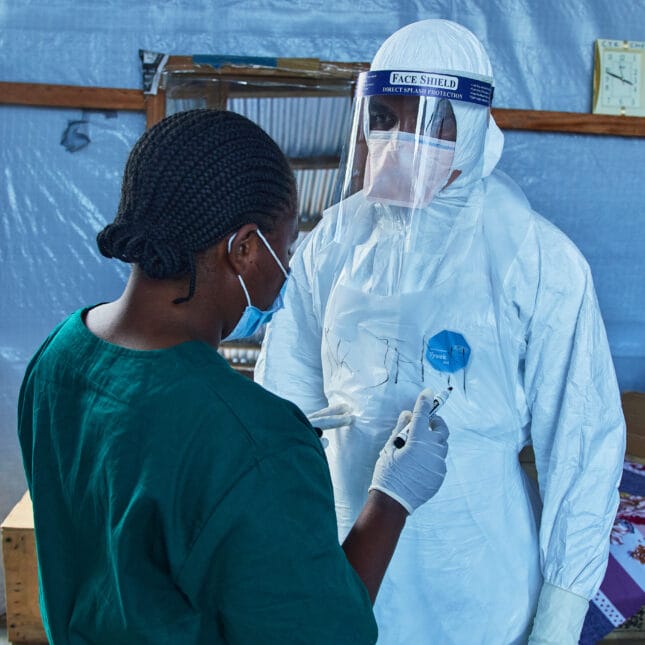
As a result, organizations operating in affected regions typically require strict infection prevention measures, including the use of personal protective equipment (PPE), routine health monitoring, and emergency evacuation plans when necessary.
Medical experts say early diagnosis and supportive treatment significantly improve survival rates for patients infected with hemorrhagic fever viruses. Rapid laboratory testing, isolation of confirmed cases, and comprehensive contact tracing remain the cornerstone of outbreak control efforts.
The World Health Organization (WHO) has repeatedly urged countries to strengthen surveillance systems and improve cross-border coordination to detect imported infections quickly while avoiding unnecessary travel or trade restrictions.
The agency has also highlighted the importance of protecting frontline healthcare workers and humanitarian personnel operating in outbreak zones.
Public health specialists noted that imported cases involving aid workers are uncommon but not unprecedented. Similar incidents have occurred during previous outbreaks, underscoring the occupational risks faced by medical and humanitarian personnel serving in disease-affected regions.
U.S. health authorities said they are working closely with state and local officials, airline partners, and international health agencies to monitor the situation. Individuals identified as close contacts will be assessed for symptoms and may be monitored for the duration of the virus’s incubation period.
Officials have urged the public to rely on verified information from public health agencies and to avoid misinformation circulating on social media.
They stressed that the country’s disease surveillance and infection control systems are well-equipped to manage isolated imported cases and prevent wider transmission.
The investigation into the source of the aid worker’s infection remains ongoing as authorities continue to gather epidemiological information and assess potential exposures in collaboration with health officials in the Democratic Republic of the Congo.