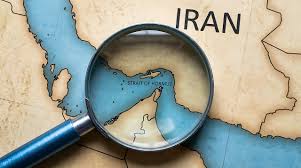
The fragile balance of maritime security in the Middle East has once again come under scrutiny after a commercial vessel ran aground in the Strait of Hormuz, a narrow but critically important shipping corridor connecting the Persian Gulf to international waters.
The incident comes at a time of heightened geopolitical tensions, with Iran insisting that it retains significant authority over activities in and around the strategic strait.
While maritime authorities have yet to confirm whether the grounding was directly linked to regional tensions, the event has intensified concerns among global energy markets and shipping operators who depend on the uninterrupted flow of cargo through one of the world’s busiest maritime routes.
The Strait of Hormuz is often described as the world’s most important oil transit chokepoint. Measuring just 21 miles at its narrowest point, the passage serves as the primary export route for crude oil and liquefied natural gas from major Gulf producers, including Saudi Arabia, the United Arab Emirates, Kuwait, Iraq, and Qatar. Any disruption to navigation in the area can have immediate consequences for global energy prices and supply chains.
The stranded vessel reportedly experienced navigational difficulties before running aground, prompting regional maritime agencies to dispatch tugboats and emergency response teams. Efforts to refloat the ship were initiated swiftly to prevent further disruption to shipping traffic.
Although no major environmental damage has been reported, shipping analysts note that even a temporary obstruction in the Strait of Hormuz can create significant delays for vessels entering or exiting the Persian Gulf. Tankers carrying millions of barrels of oil pass through the waterway daily, making smooth navigation essential for the stability of international energy markets.
The incident occurred against the backdrop of increasingly assertive rhetoric from Tehran. Iranian officials have repeatedly emphasized that the country possesses both the geographic advantage and military capability to influence traffic through the strait. Iranian leaders argue that because the nation borders a significant portion of the waterway, it has a legitimate role in safeguarding and regulating activities within the region.
Recent statements from Tehran have stressed that Iran will continue to defend its interests in the Gulf and maintain a strong presence in surrounding waters. Officials have warned foreign powers against what they describe as interference in regional affairs, insisting that security in the Gulf should be managed primarily by countries within the region.
The latest developments have drawn renewed attention from global powers, particularly the United States and European nations, which have long advocated freedom of navigation through international waterways. Western governments view the Strait of Hormuz as vital to global commerce and have consistently opposed any attempts to restrict maritime traffic.
Military analysts note that the waterway has historically been a flashpoint during periods of regional instability.
Over the past several decades, the strait has witnessed numerous confrontations involving naval vessels, commercial tankers, and regional military forces. Incidents ranging from vessel seizures to drone encounters have periodically raised fears of broader conflict.
Energy traders reacted cautiously to news of the grounding. Oil prices registered modest gains amid concerns that any prolonged disruption could tighten global supply.
Although the ship’s grounding appears to have been accidental, market participants remain sensitive to developments in the Gulf, where geopolitical tensions often influence commodity prices.
Industry experts say the timing of the incident could not be more delicate. Global energy markets are already facing uncertainty from shifting production policies, fluctuating demand patterns, and ongoing geopolitical rivalries.
Any perceived threat to the free flow of oil through the Strait of Hormuz has the potential to amplify market volatility.
Shipping companies operating in the region are closely monitoring the situation. Several firms have increased security assessments for vessels transiting the Gulf, while maritime insurers continue to evaluate risks associated with operating in waters considered strategically sensitive.
According to maritime specialists, the grounding also highlights the navigational challenges presented by the strait. Despite being one of the world’s busiest waterways, the shipping lanes available to large vessels are relatively narrow. Heavy traffic, strong currents, and the presence of military patrols can complicate navigation, particularly during periods of heightened tension.
Iran’s insistence on maintaining influence over the Strait of Hormuz reflects broader strategic calculations.
The country views the waterway as a critical component of its national security architecture and as a source of geopolitical leverage.
By emphasizing its role in the region, Tehran seeks to reinforce its position in negotiations with international powers while demonstrating its ability to affect global energy flows.
For neighboring Gulf states, however, stability and predictability remain paramount. Oil-exporting nations depend heavily on uninterrupted maritime access to international markets, making any disruption a cause for concern.
Many regional governments have invested billions of dollars in alternative export routes, pipelines, and port infrastructure designed to reduce reliance on the strait, though none can fully replace its capacity.
As recovery operations continue for the grounded vessel, international attention remains focused on the Strait of Hormuz.
What may appear to be an isolated maritime incident has once again underscored the immense strategic importance of a waterway that sits at the crossroads of global commerce, energy security, and geopolitical rivalry.
For now, shipping traffic continues to move through the strait, but the episode serves as a reminder that the world’s energy lifeline remains vulnerable to both accidents and political tensions.
With Iran reaffirming its determination to exert influence over the region and global powers insisting on unrestricted navigation, the Strait of Hormuz is likely to remain a focal point of international attention for years to come.