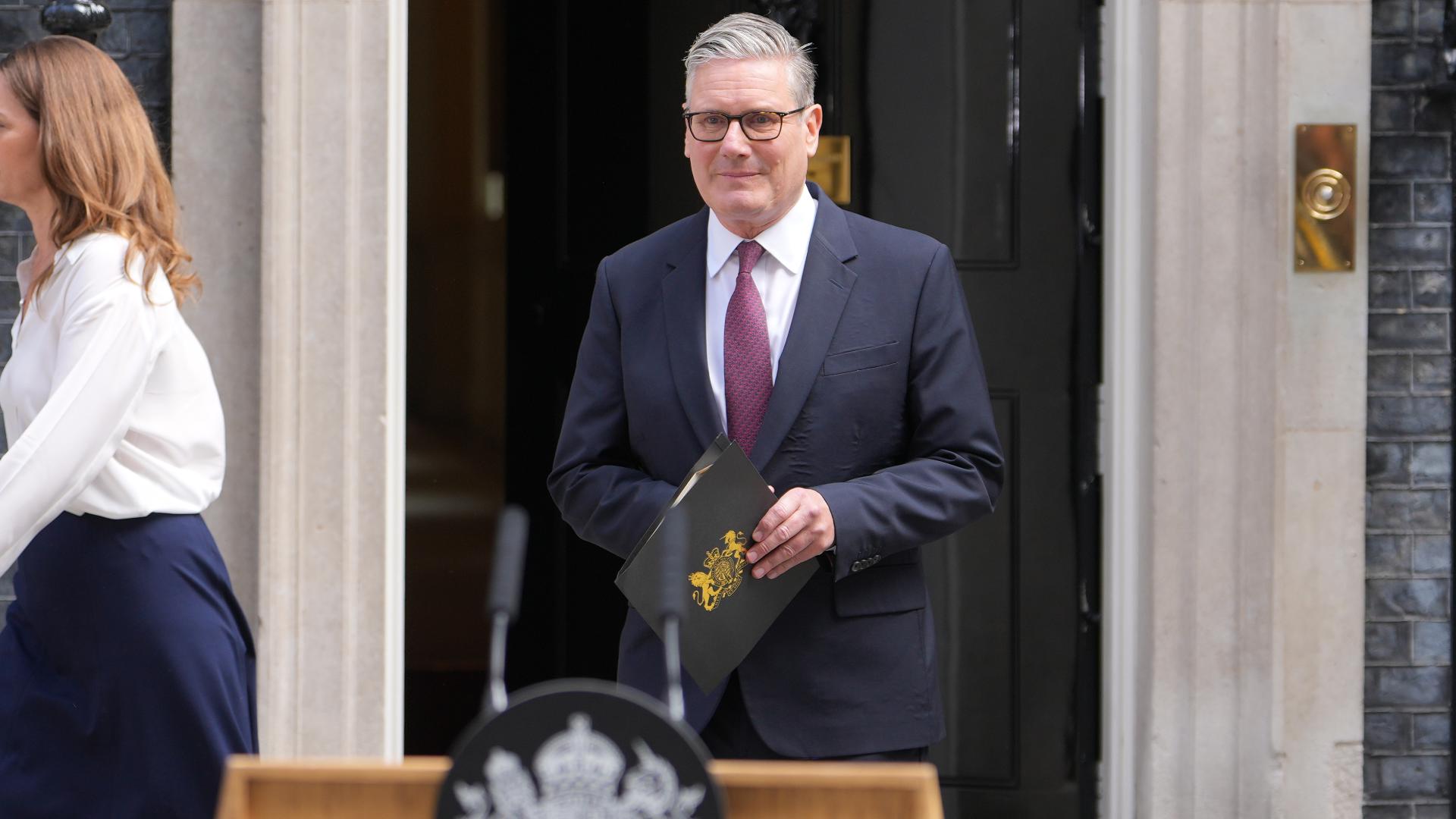
British Prime Minister Keir Starmer has announced his resignation, bringing an abrupt end to a turbulent period in office that lasted less than two years after his historic Labour Party election victory in 2024.
The decision follows months of political turmoil, growing dissatisfaction within his own party, falling public approval ratings and a series of setbacks that weakened his authority at Westminster.
Standing outside 10 Downing Street in an emotional address, Starmer said he was stepping aside because he believed it was in the best interest of both the Labour Party and the country.
He acknowledged that many members of his party no longer viewed him as the right leader to guide Labour into the next general election and pledged to support a smooth transition to a new leader.
His resignation marks one of the most dramatic political developments in Britain since Labour swept to power in July 2024.
At the time, Starmer was hailed as the man who ended 14 years of Conservative rule, leading Labour to a landslide victory and promising stability, economic recovery and a fresh start for the United Kingdom.
However, the optimism that accompanied his arrival in Downing Street gradually faded as his government struggled to maintain public confidence. Critics accused Starmer of lacking a clear political vision and frequently changing course on key policy issues. What had initially been seen as pragmatism increasingly came to be viewed by opponents and even some Labour supporters as indecision?
The immediate trigger for his resignation was growing unrest within the Labour Party. Several ministers and dozens of Labour Members of Parliament publicly questioned his leadership after the party suffered disappointing results in local elections earlier this year. Labour lost significant political ground across England and Wales, while the right-wing Reform UK party, led by Nigel Farage, made major gains.
The local election losses were viewed as a warning sign that Labour’s support base was eroding. Many MPs feared the party was losing touch with voters who had overwhelmingly backed it in 2024.
The results intensified calls for a leadership change, with some lawmakers arguing that only a new leader could reverse Labour’s declining fortunes before the next national election.
Starmer’s popularity had also fallen sharply among the wider electorate. Opinion polls showed declining confidence in his leadership and a growing perception that his government was failing to deliver on its promises.

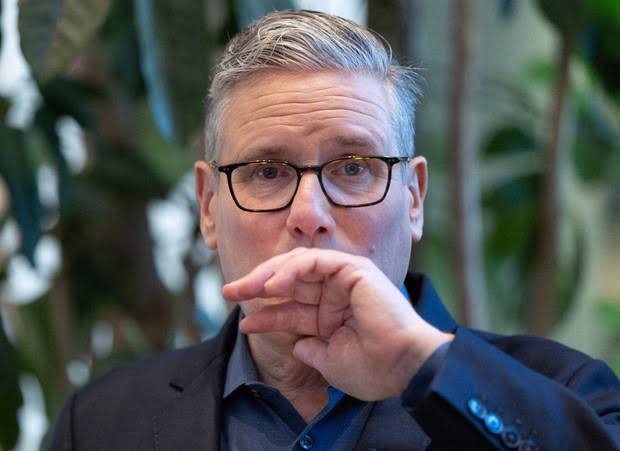
While Labour remained in power with a substantial parliamentary majority, concerns mounted that the government lacked momentum and a compelling narrative for the future.
Economic challenges further complicated Starmer’s tenure. Britain continued to grapple with sluggish economic growth, persistent cost-of-living pressures and ongoing debates about public spending. Although his government introduced measures aimed at boosting investment and stabilizing public finances, many voters felt that improvements were not reaching ordinary households quickly enough.
The National Health Service remained another major political challenge. Long waiting lists, staffing shortages and concerns about healthcare funding continued to dominate public discourse.
Despite government efforts to address these issues, critics argued that progress was too slow, contributing to public frustration.
Another factor that undermined Starmer’s authority was a series of controversies surrounding senior appointments and government personnel decisions. The appointment of veteran Labour figure Peter Mandelson to a prominent diplomatic role generated significant criticism and became a source of division within the party. Opponents argued that the decision symbolized a return to old political battles that Labour had hoped to leave behind.
As pressure mounted, resignations from members of his government further weakened his position. Several ministers openly questioned his leadership, while others resigned in protest, creating the impression of a government increasingly consumed by internal conflict.
What began as isolated criticism eventually developed into a broader movement demanding change at the top.
The rise of Reform UK presented perhaps the greatest political threat to Starmer’s leadership. Under Nigel Farage, the party capitalized on voter dissatisfaction over immigration, economic concerns and perceptions that mainstream parties were out of touch with ordinary citizens.
Reform UK’s growing popularity alarmed Labour strategists, who feared that traditional political loyalties were shifting in ways that could permanently reshape British politics.
Many Labour MPs believed Starmer was no longer the best person to counter Farage’s appeal.
As Reform UK’s influence expanded, calls for a more dynamic and electorally effective leader grew louder within Labour ranks.
The debate eventually evolved from questions about policy to questions about leadership itself.
Despite the criticism, Starmer’s supporters argue that his achievements should not be overlooked. T
hey point to his role in rebuilding Labour after years of internal divisions and electoral defeats.
When he became Labour leader in 2020, the party was struggling with questions about its direction and credibility.
Starmer worked to restore discipline, broaden Labour’s appeal and position the party as a viable alternative government.
His leadership ultimately culminated in Labour’s sweeping election victory in 2024, a result many political observers once considered unlikely. Supporters maintain that his steady approach helped restore voter trust and return Labour to power after more than a decade in opposition.
Starmer also received praise for aspects of his foreign policy. During his time in office, Britain played an active role in international diplomacy and maintained strong support for key allies. Some analysts believe his international record will be remembered more favorably than his domestic performance.
In his resignation speech, Starmer reflected on the accomplishments of his government while acknowledging the political realities that made his position untenable. He said leadership required recognizing when it was time for someone else to take over and emphasized that his decision was motivated by a desire to protect both the party and the country.
The resignation now sets the stage for a Labour leadership contest that could determine the future direction of the government. Former Greater Manchester mayor Andy Burnham has emerged as the leading contender to succeed Starmer and is widely viewed as the favourite to become Britain’s next prime minister. Several prominent Labour figures have already signaled their support for him.
According to Labour’s timetable, nominations for the leadership race are expected to open in July, with a new leader likely to be installed before Parliament returns from its summer recess. Until then, Starmer will remain in office as caretaker prime minister to ensure continuity in government.
His departure highlights the volatility that has characterized British politics over the past decade. Since the Brexit referendum in 2016, the United Kingdom has experienced an unusually rapid turnover of prime ministers, reflecting deep political divisions and shifting voter expectations.
For many observers, Starmer’s resignation serves as a reminder of how quickly political fortunes can change. Less than two years ago, he stood at the height of his influence, celebrated for leading Labour back to power.
Today, he leaves office amid questions about his legacy and the future direction of both his party and the country.
As Britain prepares for another change in leadership, the challenge for Labour will be to rebuild public confidence and maintain unity.
Whether Starmer’s successor can reverse the party’s declining popularity and address the economic and social challenges facing the country remains uncertain. What is clear, however, is that Keir Starmer’s resignation marks the end of a significant chapter in modern British politics and the beginning of a new and potentially decisive era for the United Kingdom.