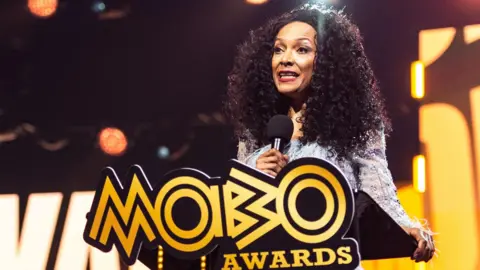
The music world is mourning the loss of one of its most influential and transformative figures following the death of Kanya King CBE, the founder and chief executive of the MOBO Awards. King, whose groundbreaking work reshaped the recognition of Black music and culture in Britain, died peacefully on June 3, 2026, at the age of 57 after a courageous battle with stage-four colon cancer.
The announcement was made by the MOBO Organization, which described its founder as a fearless visionary whose determination and passion forever changed the British music industry.

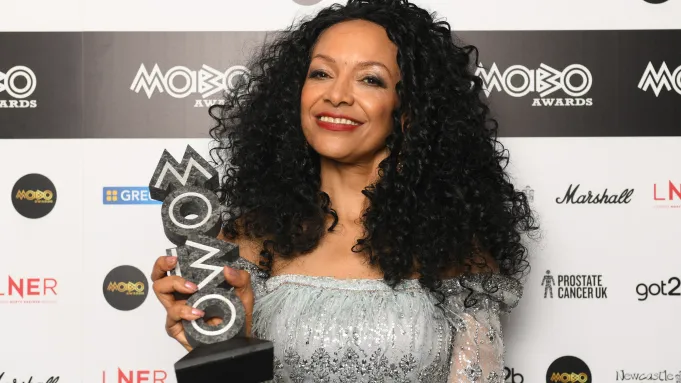
“It is with immeasurable sorrow that the MOBO Organization announces the passing of its Founder and CEO, Kanya King CBE,” the statement read. “The music world has lost one of its most fearless champions.”
King’s remarkable journey from a council estate in Kilburn, North West London, to becoming one of Britain’s most respected cultural entrepreneurs has inspired countless people. As a single mother navigating an industry that often overlooked Black artists and their contributions, she refused to accept the limitations imposed upon her.
When she first proposed an awards platform dedicated to celebrating music of Black origin, industry executives reportedly dismissed the idea, claiming Black music was too niche and lacked commercial appeal. Rather than allowing those doubts to discourage her, King turned her vision into reality.
In 1996, she launched the first Music of Black Origin (MOBO) Awards, creating a platform that would go on to become one of the most important cultural institutions in British entertainment. What began as a bold idea quickly evolved into a global celebration of Black creativity and excellence.
Over the past three decades, the MOBO Awards have helped elevate and honor some of the most influential artists in modern music. From pioneers such as Goldie and Gabrielle to chart-toppers including Craig David, Ms Dynamite and Amy Winehouse, and later generations represented by Stormzy, Little Simz, Central Cee, RAYE and Olivia Dean, the awards became a launchpad for extraordinary talent.
The MOBO Organization noted that King’s contribution extended far beyond organizing an annual awards ceremony.
“MOBO did not just celebrate Black music; it legitimized it, amplified it and transformed the cultural landscape of the UK,” the organization said. “Generations of artists have benefited from Kanya King’s vision. She built a platform that reached hundreds of millions of people around the world.”
News of her death triggered an outpouring of grief and admiration from across the entertainment industry, politics and wider society.
Among the first to pay tribute was London Mayor Sadiq Khan, who described King as a trailblazer whose legacy would endure for generations.
“Kanya King was a true pioneer who changed the face of culture and music in Britain,” Khan said. “Her determination opened doors for countless artists who may otherwise never have received the recognition they deserved. London’s cultural identity is richer because of her work, and her impact will be felt for decades to come.”
His tribute reflected a broader sentiment shared by many who viewed King’s achievements as extending beyond music into social and cultural transformation.
Culture Secretary Lisa Nandy also honored the MOBO founder, describing her as a woman whose vision fundamentally improved Britain’s music industry.
“Kanya King was a real pioneer who changed British music for the better through the MOBO Awards,” Nandy said. “She created opportunities where none existed and ensured that Black artists received the platform, recognition and respect they had long deserved.”
Across social media, musicians, broadcasters, producers and fans shared heartfelt messages remembering King as a mentor, inspiration and champion of diversity.
Many artists spoke of how the MOBO Awards gave them their first major recognition, providing validation and exposure at critical moments in their careers. Several described her as someone who believed in talent before the wider industry did.
One musician wrote that King’s legacy could be measured not only in awards won but in the careers she helped launch and the confidence she instilled in young creatives. Another described her as “the architect of opportunity” for Black British artists.
Television personalities and cultural commentators praised her unwavering commitment to representation, noting that she challenged outdated perceptions and forced the entertainment industry to acknowledge the commercial and artistic value of Black music.
Fans also joined the tributes, sharing memories of watching the MOBO Awards and witnessing artists who reflected their own communities being celebrated on national television. Many credited King with helping them feel seen and represented in an industry where diversity was often lacking.
For many mourners, King’s greatest achievement was not merely creating an awards ceremony but establishing a movement that altered the trajectory of British culture. Through perseverance, innovation and courage, she created a platform that recognized excellence while opening conversations about inclusion, equality and representation.
Her battle with cancer became public in 2024 when she revealed she had been diagnosed with stage-four bowel cancer. Even during treatment, King remained actively involved in the organisation she built, demonstrating the resilience and determination that had defined her entire career.
Those who knew her best frequently described her as someone who never accepted barriers and never stopped advocating for others. That fighting spirit remained evident until the end.
As tributes continue to pour in from around the world, many are reflecting on the extraordinary legacy she leaves behind. Through the MOBO Awards, Kanya King transformed countless lives, elevated generations of artists and permanently altered the landscape of British music.
Her influence can be heard in the success stories of the artists she championed, seen in the diversity of today’s music industry and felt in the opportunities available to future generations.
Though Kanya King is no longer here, the platform she built and the doors she opened ensure that her legacy will continue to inspire artists, entrepreneurs and dreamers for many years to come.
She leaves behind not only an award-winning organisation but a cultural movement that changed British music forever.