The Democratic Republic of the Congo (DRC) is once again at the center of a growing Ebola crisis, as health authorities and international humanitarian organizations struggle to contain a rapidly spreading outbreak that has already claimed hundreds of suspected victims and exposed frontline responders to grave danger.
The latest outbreak, centered in the eastern province of Ituri, has raised alarm across Central and East Africa, prompting neighboring countries to strengthen border surveillance and emergency preparedness measures. The outbreak is being driven by the rare Bundibugyo strain of the Ebola virus, for which there is currently no approved vaccine or specific treatment.

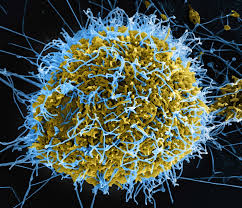
The World Health Organization has warned that the epidemic is spreading faster than response efforts can keep pace with, citing delays in identifying infections and challenges posed by insecurity in affected regions.
More than 900 suspected cases have been reported, while hundreds of suspected deaths have been recorded, making it one of the most serious Ebola emergencies Congo has faced in recent years.
Adding a tragic dimension to the outbreak is the death of three volunteers from the Red Cross who reportedly contracted Ebola while carrying out humanitarian duties in Ituri Province.
The volunteers Alikana Udumusi Augustin, Sezabo Katanabo, and Ajiko Chandiru Viviane are believed to have become infected while handling bodies during a humanitarian mission before the outbreak was officially identified.
They later died between May 5 and May 16, becoming some of the first known victims of the current epidemic.
The International Federation of Red Cross and Red Crescent Societies paid tribute to the volunteers, describing them as courageous humanitarian workers who lost their lives while serving vulnerable communities. Their deaths underscore the enormous risks faced by frontline responders who often work in difficult and dangerous conditions.
Ebola Virus Disease is a severe and often fatal illness that spreads through direct contact with the blood, bodily fluids, or tissues of infected persons or animals. Symptoms initially resemble those of many tropical diseases, including fever, headache, muscle pain, and fatigue, before progressing to vomiting, diarrhea, internal bleeding, and multiple organ failure in severe cases.
Health experts say containing the outbreak has been complicated by several factors, including poor road networks, limited healthcare infrastructure, population displacement, and ongoing violence by armed groups operating in eastern Congo.
These conditions have made it difficult for health workers to conduct surveillance, trace contacts, and safely transport patients to treatment centers.
Distrust of authorities and misinformation have also emerged as major obstacles. Humanitarian teams report that some communities remain skeptical of health interventions, while fear and stigma surrounding Ebola continue to discourage people from seeking medical care early. Red Cross volunteers and other aid workers have therefore intensified community outreach campaigns aimed at educating residents about symptoms, prevention, and safe burial practices.
The current outbreak has revived memories of previous Ebola epidemics that devastated parts of Congo. Since the virus was first discovered near the Ebola River in 1976, the country has experienced numerous outbreaks, making it the nation most frequently affected by the disease. Earlier epidemics also demonstrated the dangers faced by health personnel, with several responders killed in attacks while carrying out life-saving work.
Regional concerns are growing as neighboring Uganda has already confirmed cases linked to the Congolese outbreak. Governments across East Africa are increasing health screenings at border crossings and preparing isolation facilities in a bid to prevent wider transmission.
Despite the challenges, health officials remain hopeful that coordinated action can slow the spread of the virus. International partners, humanitarian agencies, and local healthcare workers continue to establish treatment centers, expand testing capacity, and strengthen public awareness campaigns. Yet experts warn that without greater resources, funding, and security for frontline personnel, the outbreak could worsen before it improves.
For the people of Congo, the deaths of the three Red Cross volunteers serve as a stark reminder that Ebola is more than a public health emergency it is a humanitarian crisis that places both communities and those trying to save them in harm’s way.
As the country battles another chapter in its long struggle against the deadly virus, the courage and sacrifice of frontline responders remain central to the fight against one of the world’s most feared diseases.