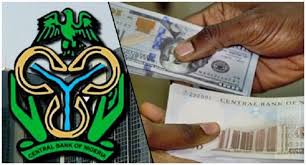
The continued restriction of Bureau De Change (BDC) operators from full participation in Nigeria’s official foreign exchange market is raising fresh concerns over liquidity shortages and renewed volatility in the parallel market.
BDC operators say the Central Bank of Nigeria’s tight grip on FX distribution, which is largely routed through commercial banks, may be counterproductive as it leaves a major segment of retail demand unmet.
While the apex bank has defended its bank-led strategy as a way to strengthen oversight and reduce leakages, currency traders argue that the policy is sustaining pressure on the informal market.
“The reality is that banks are not structured to efficiently meet small-scale retail FX demand. When that demand is unmet, it naturally shifts to the parallel market,” FX traders revealed,
He added that BDCs, which traditionally cater to travelers, small businesses, and individuals seeking foreign currency for personal needs, still have limited access to official FX, thereby restricting liquidity at the grassroots level.
“This creates a persistent imbalance where demand exists but cannot be met through formal channels, widening the gap between official and parallel market rates,” he said.
Industry stakeholders noted that the CBN’s cautious position stems from longstanding concerns over compliance and market abuse. In July 2021, the regulator suspended FX sales to BDCs, citing allegations of illicit financial flows, money laundering, and round-tripping.
Although the central bank later reopened limited access through capped weekly allocations, operators say the volumes remain inadequate and access inconsistent.
A senior official of the Association of Bureau De Change Operators of Nigeria said the sector is still widely viewed as high-risk, especially in relation to Anti-Money Laundering and Counter-Terrorism Financing compliance.
This perception, the official said, has influenced the regulator’s preference for fewer and more centralized FX distribution channels.
However, BDC operators insist they have introduced major reforms, including digital reporting systems, stricter compliance processes, and stronger internal monitoring mechanisms.
They argue that excluding licensed operators from the official market not only limits liquidity but also weakens broader efforts to stabilize the naira.
“The parallel market thrives when there are inefficiencies in the formal system. If licensed operators are allowed to function effectively, it reduces the space for unregulated players,” they said.
Financial analysts say the dispute highlights the broader challenge facing the CBN balancing stronger regulatory control with the practical realities of FX demand in a large import-dependent economy.
Nigeria’s FX market has remained volatile since the unification of multiple exchange windows in 2023, a reform introduced to improve transparency and attract foreign investment.
However, limited FX supply, speculative demand, and weak confidence in the naira continue to pressure market stability.
For now, the CBN appears committed to its cautious strategy. But with pressure mounting in the parallel market, stakeholders say a more inclusive framework that brings BDCs into the official system under tighter supervision may be necessary to improve liquidity, narrow exchange rate gaps, and achieve lasting stability.