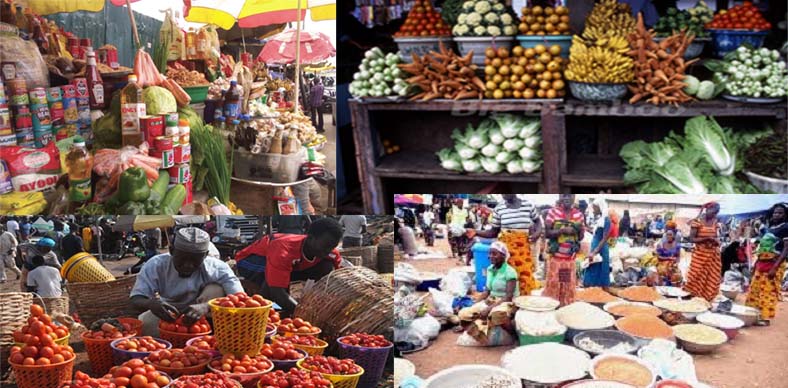
German companies are ramping up efforts in Nigeria’s rapidly expanding food sector, projected to reach €222 billion by 2026, as both nations explore deeper cooperation to strengthen food security and drive economic growth.
Bilateral trade between Germany and Nigeria has grown significantly. Germany’s exports to Nigeria nearly doubled from $500 million in 2021 to $963.4 million in 2024, covering machinery, vehicles, chemicals, electronics, and agricultural inputs, while Nigeria exports cocoa and related products to Germany, reinforcing economic ties.
At a recent networking reception in Lagos for a German business delegation attending Agrofood Nigeria 2026, German Consul-General Daniel Krull emphasized that strategic collaboration and investment could transform Nigeria’s food system into a driver of resilience and development.
“Better public-private alignment, improved logistics, and a change in investment mindset can turn Nigeria’s food challenges into a strength,” Krull said. “The food sector is key to Nigeria’s stability and resilience, and German industry has much to offer.”
Krull highlighted modern infrastructure, empowerment of smallholder farmers, and reimagined agricultural value chains as vital steps toward sustainable food security. Germany’s engineering expertise, including bottling and food processing equipment and food additives, could help Nigeria achieve its industrialization goals.
Technology adoption is also critical in reducing food loss, which currently affects more than 35% of local produce due to inadequate storage and energy infrastructure. “Investments in silos, warehouses, and cold chain systems are essential,” Krull said, noting that a modern agri-food system could create tech-driven jobs and modernize farms nationwide.
Paul Marz, Managing Director of Fairtrade Messe, which organizes Agrofood Nigeria, said the exhibition facilitates technology transfer and partnerships to increase local production of safe, high-quality food. He stressed that mechanization and farmer training are crucial for improving productivity, competitiveness, and export readiness.
The 11th edition of Agrofood Nigeria featured 137 exhibitors from 17 countries, with strong participation from Germany, showcasing processing, packaging, and recycling technologies. While most German firms operate as machinery suppliers seeking local partners, some have established offices and technical support in Nigeria.
At the policy level, Lagos State affirmed its central role in Nigeria’s food economy. Governor Babajide Sanwo-Olu noted that the state’s food market has grown from N6.5 trillion in 2019 to over N16 trillion, making it Africa’s largest single food consumption hub and a strategic gateway for agro-investment.