Lagos State is preparing to welcome the largest gathering of foreign investors from Commonwealth nations this June in a move widely regarded as a defining moment for both the state’s economy and Nigeria’s broader growth ambitions. The high-level summit follows a strategic partnership between the Lagos State Government and the Commonwealth Enterprise and Investment Council (CWEIC), a global organization dedicated to promoting trade and investment across Commonwealth countries.
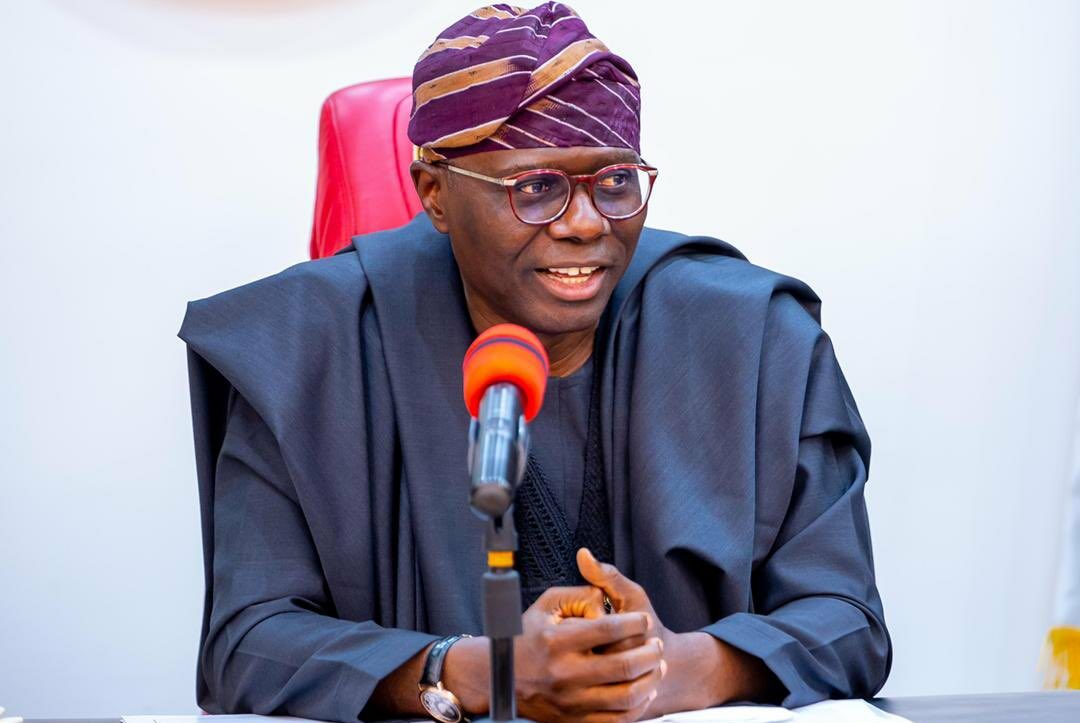
The collaboration was formalized at the State House in Marina, where Governor Babajide Sanwo-Olu and CWEIC Chief Executive Officer Samantha Cohen signed a Memorandum of Understanding for the 2026 Lagos Trade and Investment Summit, branded “Invest in Lagos 3.0.”
More than a ceremonial event, the summit signals Lagos’ deliberate effort to consolidate its position as West Africa’s commercial nerve center and a gateway for international capital into Nigeria. With between 500 and 600 delegates expected including sovereign wealth funds, institutional investors, development finance institutions, multinational corporations, and senior government officials the event is projected to unlock billions of dollars in potential investment conversations.
Governor Sanwo-Olu described the summit as a transaction-driven platform intentionally structured to convert investor interest into bankable projects.
“Invest Lagos 3.0 is not going to be a ceremonial gathering. It is expected to be a transaction-focused investment platform built for capital alignment and project conversion,” he said, emphasizing that every segment of the summit has been designed to facilitate disciplined engagement between project sponsors and capital providers.
Scheduled to hold at the Eko Hotels Convention Centre in Victoria Island, the two-day gathering will feature plenary sessions, deal rooms, CEO roundtables, closed-door meetings with the Governor, networking dinners, and guided site visits to critical infrastructure projects across the state.
A Strategic Boost for Lagos’ Economic Architecture
For Lagos Africa’s most populous city and Nigeria’s economic powerhouse the summit represents a strategic push to mobilize global capital at a time when emerging markets are competing aggressively for investment flows.
The state’s infrastructure expansion drive spans road and rail modernization, port and logistics upgrades, renewable energy systems, digital infrastructure, housing development, healthcare improvements, and industrial corridor expansion.
These projects are not merely local initiatives; they are critical to Nigeria’s national productivity.
As the commercial hub of Nigeria, Lagos accounts for a significant share of the country’s GDP and internally generated revenue. Investments secured through the summit are expected to enhance supply chain efficiency, decongest trade routes, improve mobility, and expand industrial output all of which directly impact national economic performance.
Improved transport corridors, for instance, reduce logistics costs for manufacturers across Nigeria. Strengthened port connectivity enhances export competitiveness under the African Continental Free Trade Area (AfCFTA). Expanded renewable energy systems support industrial stability amid national power challenges.
The ripple effect extends far beyond state borders.
Commonwealth Advantage and Nigeria’s Global Positioning
CWEIC CEO Samantha Cohen underscored Nigeria’s strategic advantage within the Commonwealth network, noting that shared legal systems, language, and institutional familiarity provide up to a 21 percent cost advantage for investors operating within Commonwealth countries.
This structural familiarity reduces transaction risks, lowers compliance barriers, and accelerates deal execution a critical consideration for international investors navigating emerging markets.
For Nigeria, leveraging Commonwealth relationships offers more than capital inflow. It strengthens diplomatic trade ties, enhances cross-border partnerships, and reinforces Nigeria’s positioning as a regional leader in economic reform and opportunity creation.
The summit aligns with Lagos State’s long-term development blueprint and broader national ambitions around trade facilitation, industrialization, energy security, innovation, and human capital development.
MSMEs at the Heart of the Growth Strategy
A particularly significant dimension of the initiative is its deliberate inclusion of Micro, Small and Medium Enterprises (MSMEs), which account for more than 70 percent of Lagos’ economic activity.
While large-scale infrastructure projects often dominate investment discussions, Lagos’ strategy recognizes that sustainable economic growth requires deepening value chains where MSMEs operate.
By attracting institutional capital that cascades into scalable private-sector participation, the state aims to strengthen job creation, boost local production, and expand access to financing.
In practical terms, foreign direct investment in logistics, technology, energy, and manufacturing can stimulate supplier networks dominated by small and medium enterprises. This multiplier effect supports entrepreneurship, improves household incomes, and stabilizes local communities.
For Nigeria, where youth unemployment remains a pressing challenge, such value-chain expansion carries substantial socio-economic significance.
Governance, Credibility and Investor Confidence
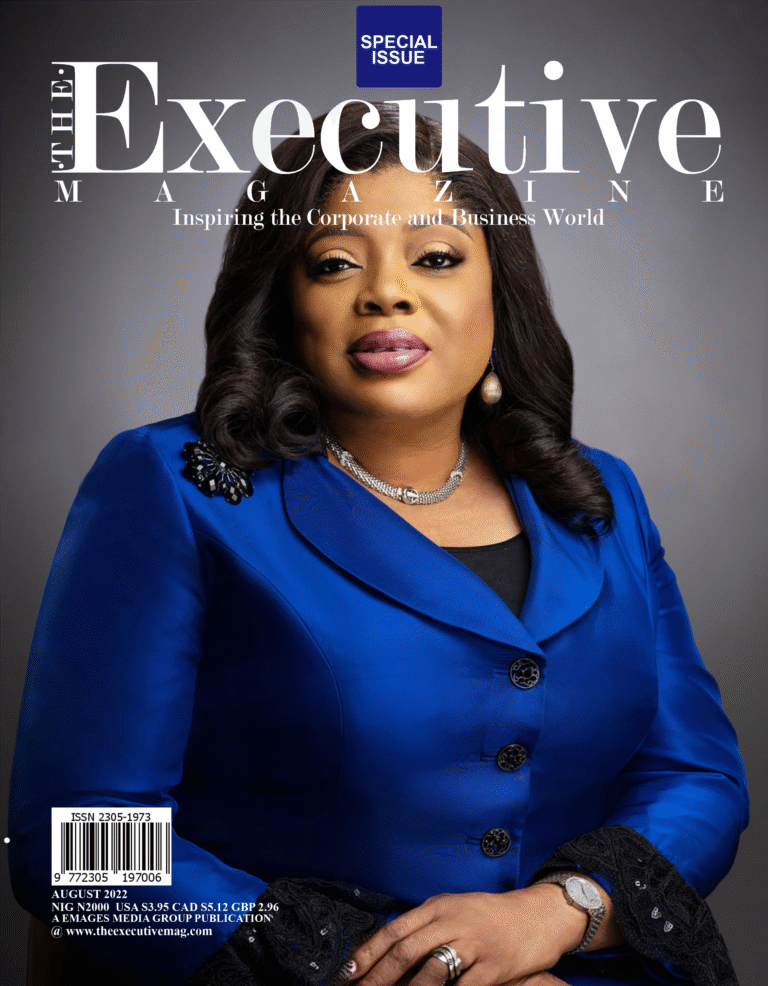
Commissioner for Commerce, Cooperatives, Trade and Investment, Mrs. Folashade Banda-Ambrose, described the partnership as a defining moment in Lagos’ economic evolution.
She noted that global capital increasingly gravitates toward jurisdictions demonstrating credible leadership, institutional clarity, bankable pipelines, and disciplined governance.
In an era where investors scrutinize regulatory stability and execution capacity, Lagos is signaling readiness to compete on global standards. The structured design of “Invest in Lagos 3.0” including deal rooms and curated investment pipelines reflects a shift from promotional summits to measurable outcomes.
For Nigeria, this signals a broader narrative: that subnational governments can drive reform, innovation, and investor engagement even within complex national economic conditions.
National Implications
The economic implications extend well beyond Lagos. Increased foreign investment strengthens Nigeria’s foreign exchange position, supports infrastructure modernization, boosts tax revenues, and enhances productivity across sectors.
As Lagos mobilizes capital for transformative projects, it reinforces Nigeria’s reputation as a viable destination for structured, long-term investment. The summit also sends a confidence signal to domestic investors, encouraging co-investment and public-private partnerships.
In a global economy marked by cautious capital flows and geopolitical uncertainty, hosting the Commonwealth’s largest investor gathering positions Lagos and by extension Nigeria at the forefront of emerging market opportunity.
If successfully executed, “Invest in Lagos 3.0” could mark a turning point not only in Lagos’ development trajectory, but in Nigeria’s quest to build a more diversified, resilient, and globally competitive economy.