The Federal Government has expressed confidence that Nigeria’s budget deficit for 2026 will fall below the projected 4.2 per cent of Gross Domestic Product, citing improvements in revenue collection and a decline in borrowing costs.
The Minister of Finance and Coordinating Minister of the Economy, Taiwo Oyedele, disclosed this in an interview in London, according to a Bloomberg report published on Thursday.
Oyedele said the government was reviewing its fiscal projections and would announce a revised deficit target following an assessment of recent developments in public revenue and debt management.
“We think it will be narrower than the 4.2 per cent,” the minister said, expressing optimism that the country’s fiscal position would improve beyond the initial budget assumptions.
He added that the government’s priority was to reduce the cost of servicing debt relative to the revenue it generates, noting that the trend was already moving in the right direction.
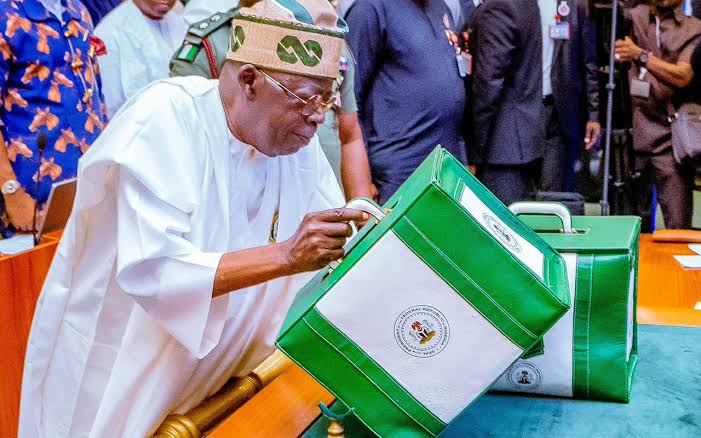
Nigeria had initially projected a budget deficit of approximately ₦23.85tn under the 2026 spending plan presented by President Bola Tinubu. The proposed budget, valued at ₦58.18tn, estimated the deficit at about 4.28 per cent of GDP.
A fiscal deficit occurs when government expenditure exceeds revenue, forcing authorities to borrow to finance the shortfall.
The latest projection suggests that the government expects improved fiscal performance as its economic reforms and revenue mobilisation efforts begin to ease pressure on public finances.
The administration has pursued measures aimed at improving tax collection, strengthening revenue administration and reducing financial leakages across government institutions.
However, the anticipated reduction in the deficit comes amid continuing concerns about Nigeria’s public debt and the substantial resources required to service existing obligations.
Rising debt-servicing costs have remained a major challenge for the government, limiting the funds available for infrastructure, education, healthcare and other essential public services.
Oyedele maintained that the government did not expect the deficit to exceed its original target, indicating that the forthcoming review would reflect a better fiscal outcome.
“We don’t think it will be worse than the target; we think it will be better,” he said.
Nevertheless, the federal government’s optimism differs from concerns about the broader public-sector fiscal outlook.
The World Bank has warned that Nigeria’s consolidated budget deficit, which includes federal, state and local governments, could widen because of increased spending and other fiscal pressures.
The distinction is important because an improvement in the Federal Government’s deficit does not necessarily mean that the overall public-sector deficit will also decline.
For Nigeria, a sustained reduction in the deficit could help moderate borrowing requirements and strengthen confidence in the country’s fiscal management.
The impact, however, will depend on the government’s ability to maintain revenue growth, manage expenditure and contain debt-servicing costs without undermining essential development spending.
The government is expected to announce its revised deficit projection after completing its review of the 2026 fiscal outlook.