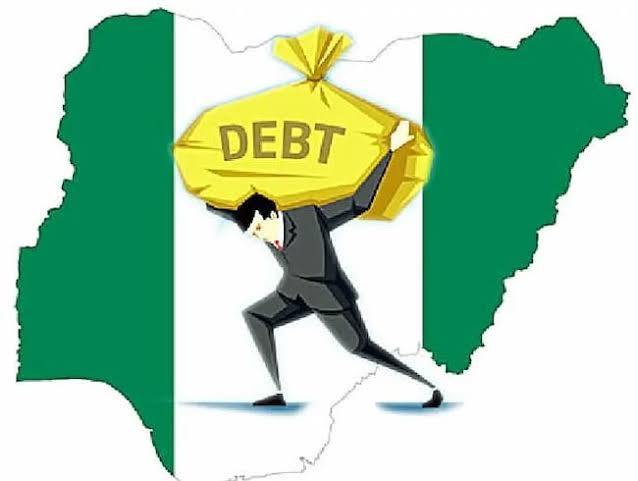
Nigeria’s net foreign liabilities have risen to an estimated $90.2 billion, reflecting the widening gap between the country’s foreign obligations and its external assets.
The development underscores the pressure facing Africa’s largest economy as the government, financial institutions and private sector continue to navigate foreign exchange shortages, debt servicing commitments and the broader challenges associated with attracting sufficient foreign capital.
Net foreign liabilities represent the amount a country owes to foreign investors, lenders and other external creditors after accounting for its foreign assets.
An increase in the figure generally indicates that external claims on the economy are growing faster than the value of assets held abroad.
For Nigeria, the latest figure comes at a time when the country is implementing major economic reforms aimed at strengthening public finances, improving foreign exchange liquidity and restoring investor confidence.
One of the biggest factors influencing Nigeria’s external position is its dependence on foreign financing.
The Federal Government has increasingly relied on domestic and international borrowing to fund budget deficits, infrastructure projects and other expenditure requirements.
Debt servicing has consequently become a major component of government spending.
As more resources are committed to meeting obligations to foreign creditors, policymakers face greater pressure to increase revenue and strengthen the country’s ability to generate foreign exchange.
Nigeria’s foreign exchange position is closely tied to its oil sector. Crude oil remains the country’s largest source of foreign exchange earnings, making the economy vulnerable to fluctuations in international oil prices and production levels.
When oil revenues decline, Nigeria’s capacity to build foreign reserves and meet foreign-currency obligations can come under pressure.
Conversely, stronger oil prices and improved production can provide additional support for the country’s external position.
The naira’s performance has also played an important role in shaping Nigeria’s external liabilities.
Since the Central Bank of Nigeria introduced significant foreign exchange reforms, the currency has experienced substantial volatility.
While the reforms were designed to improve market efficiency and attract investment, exchange-rate movements can increase the local-currency cost of servicing dollar-denominated obligations.
Analysts have repeatedly stressed the importance of improving Nigeria’s export base and reducing excessive dependence on crude oil.
Expanding non-oil exports, increasing domestic production and attracting long-term foreign direct investment could help strengthen the country’s external balance over time.
The government’s ability to improve revenue collection will also remain critical. Higher domestic revenues could reduce dependence on borrowing and create greater fiscal space for investment in productive sectors.
Despite the concerns surrounding the $90.2 billion figure, the level of net foreign liabilities should not be viewed in isolation.
Economists typically assess a country’s external position alongside factors such as GDP, foreign reserves, export earnings, debt maturity, interest payments and the composition of external assets and liabilities.
For Nigeria, the key challenge will be ensuring that foreign liabilities are used to finance investments capable of generating economic growth and foreign exchange earnings.
As the country continues its economic reform programme, policymakers will be under pressure to strengthen fiscal discipline, boost exports and maintain investor confidence.
The ability to achieve these goals could determine whether Nigeria’s rising external liabilities become a manageable part of economic expansion or a greater source of financial vulnerability.