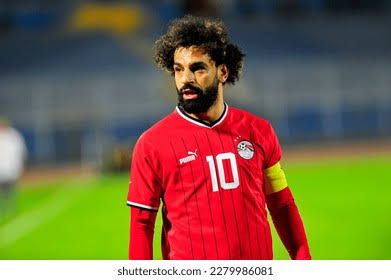
After a challenging opening round at the 2026 FIFA World Cup, Côte d’Ivoire Ghana, emerge as Africa’s only winning sides while Morocco, Egypt and Cape Verde, Congo DRC deliver encouraging performances against global football giants.
Africa’s campaign at the ongoing 2026 FIFA World Cup has delivered a mixture of disappointment, resilience, and renewed hope, with Ghana and the Democratic Republic of Congo emerging among the continent’s early standout performers as African nations continue their quest for success on football’s biggest stage.
The expanded 48-team tournament, jointly hosted by United States, Canada, and Mexico, has given Africa one of its largest-ever representations, with ten countries flying the continent’s flag.
Early results, however, have reflected both the growing competitiveness of African football and the persistent challenge of turning strong performances into victories against elite opposition.
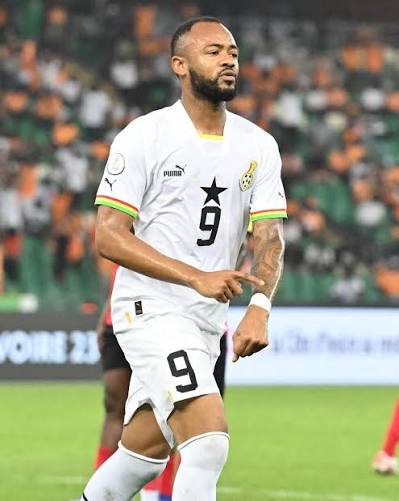
One of Africa’s biggest early success stories has been Ghana, whose national team, the Black Stars, secured a vital 1-0 victory over Panama in Group L.
The hard-fought win has significantly strengthened Ghana’s hopes of progressing into the knockout stages while restoring confidence among supporters following a difficult build-up to the tournament.
Equally impressive has been Democratic Republic of the Congo, who produced one of the competition’s early surprises by holding Portugal to a 1-1 draw in Group K.
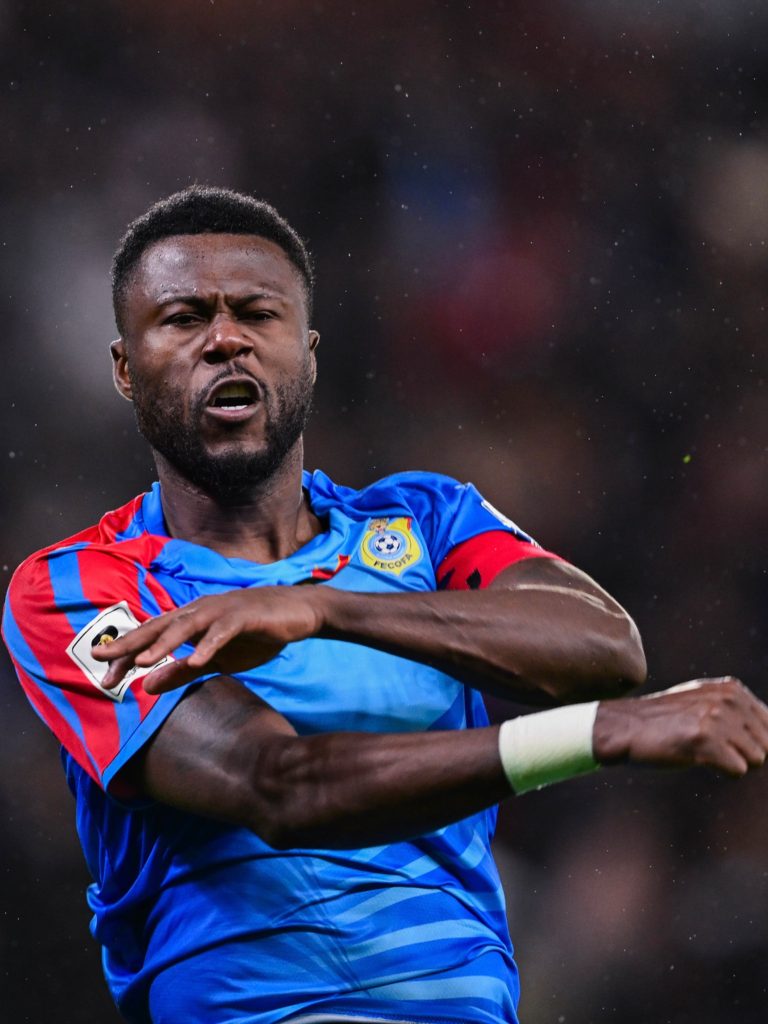
The result marked a memorable return for DR Congo, playing at the World Cup for the first time in decades, while proving the Central African nation can compete against some of world football’s established powers.
Earlier, defending African champions Côte d’Ivoire became the continent’s first winning side after edging Ecuador 1-0 in a tense Group E encounter.
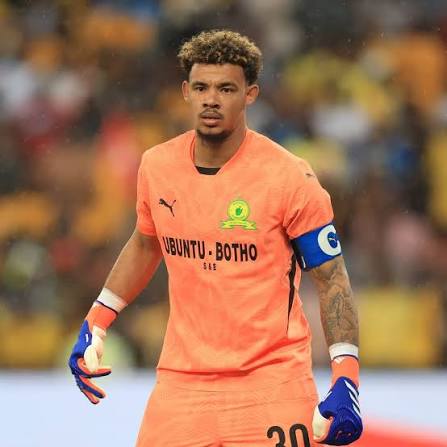
The Elephants secured victory through a dramatic late winner, placing them in a strong early position in the race for qualification.
North African giants Morocco also reinforced their growing global reputation after producing a disciplined performance to hold tournament favourites Brazil to a 1-1 draw. Morocco, still riding the momentum of their historic semifinal appearance at the 2022 World Cup in Qatar, once again showed tactical maturity against elite opposition and remain one of Africa’s strongest contenders.
Egypt added another positive result for the continent after battling to a 1-1 draw against Belgium.
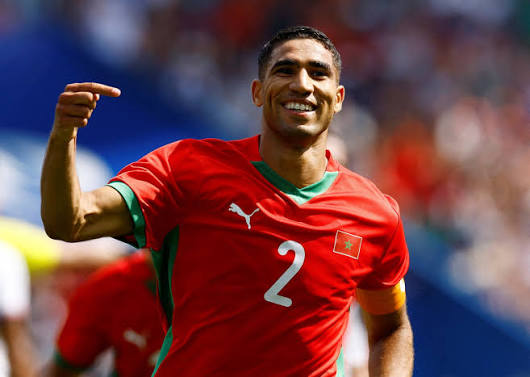
The Pharaohs initially looked set for victory after taking an early lead, but were forced to settle for a point after Belgium found a late equaliser.
Another surprise package has been Cape Verde, whose remarkable defensive display earned a goalless draw against former world champions Spain.
The result has been widely described as one of the tournament’s first major upsets, with football analysts now closely watching the island nation as a potential dark horse.
Not all results have gone Africa’s way.
Senegal suffered one of the continent’s biggest setbacks after falling 3-1 to France. Despite entering the tournament as one of Africa’s strongest contenders, Senegal struggled against the attacking quality of the French side led by superstar Kylian Mbappé, leaving the Teranga Lions under immediate pressure ahead of their next group fixture.
South Africa also endured a difficult start after losing 2-0 to host nation Mexico, while Tunisia recorded Africa’s heaviest defeat so far, suffering a disappointing 5-1 loss against Sweden.
Despite the mixed fortunes, Africa’s overall performances have generated optimism across global football communities.
Analysts believe the new expanded World Cup format could work in Africa’s favour, with more qualification pathways now available even for teams finishing outside the top two positions in their groups.
Supporters across social media have particularly praised Morocco’s tactical discipline, Ghana’s crucial victory, DR Congo’s resilience against Portugal, and Côte d’Ivoire’s ability to grind out results under pressure.
Historically, Africa has repeatedly shown its ability to challenge football’s established powers from Cameroon reaching the quarterfinals in 1990, to Ghana’s famous 2010 run, and Morocco rewriting history in 2022 as the first African nation to reach a World Cup semifinal.
As the tournament continues across North America, hopes remain high that the 2026 edition could produce another historic breakthrough for African football.
For now, Ghana, Côte d’Ivoire, Morocco, Egypt, Cape Verde, and DR Congo have kept Africa’s ambitions alive, while other teams face increasingly crucial fixtures that could determine whether the continent can turn early promise into genuine progress on the world stage.