
Food preservatives are widely used across the world because they help extend shelf life, maintain food quality, and prevent spoilage. However, growing scientific evidence suggests that excessive consumption of certain preservatives may contribute to hypertension and cardiovascular diseases. A recent study involving more than 100,000 participants found that several commonly consumed preservatives were linked to increased blood pressure and heart-related complications.
Researchers identified multiple preservatives commonly found in ultra-processed foods, processed meats, canned products, snacks, alcoholic drinks, and beverages. Although preservatives improve food safety and product durability, their long-term health effects are now raising concerns among health professionals and researchers.
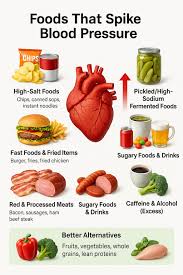
The study identified the ten most commonly consumed preservatives among participants:
- Citric acid: Consumed by 91.3% of consumers, largely from processed fruits and vegetables.
- Lecithins: Consumed by 86.4% of consumers, commonly found in processed snacks and convenience foods.
- Total sulphites: Consumed by 83.5% of consumers, mainly from alcoholic drinks.
- Ascorbic acid: Consumed by 83.0% of consumers, largely from processed fruits and vegetables.
- Sodium nitrite: Consumed by 73.3% of consumers, largely from processed meat products.
- Potassium sorbate: Consumed by 65.3% of consumers in preserved foods and beverages.
- Sodium erythorbate: Consumed by 52.5% of consumers, mostly from processed meat products.
- Sodium ascorbate: Consumed by 49.7% of consumers in processed foods.
- Potassium metabisulfite: Consumed by 44.2% of consumers, especially in packaged foods and beverages.
- Potassium nitrate: Consumed by 32.3% of consumers, largely from processed meat products.
According to the findings, these preservatives may increase hypertension risk by affecting blood vessel function, sodium balance, and cardiovascular performance. Sodium nitrite, sodium erythorbate, and sodium ascorbate were particularly concerning because they increase sodium intake, forcing the heart to work harder and raising blood pressure over time.
The researchers also discovered that higher intake of preservatives was associated with increased incidence of hypertension. Total preservatives were linked to a 24% higher risk of hypertension, while non-antioxidant preservatives were associated with a 29% higher risk. Antioxidant preservatives were linked to a 22% increase in hypertension risk.
Specific preservatives showed even stronger associations with hypertension. Potassium sorbate was associated with a 39% higher incidence of hypertension, citric acid with 25%, potassium metabisulfite with 16%, sodium nitrite with 16%, and total sulphites with 11%. Ascorbic acid and sodium erythorbate were also associated with increased hypertension risk.
Processed meat products were identified as one of the major dietary sources of harmful preservatives such as sodium nitrite and potassium nitrate. Frequent consumption of these foods may damage blood vessels, impair circulation, and increase the likelihood of heart disease and stroke. Alcoholic beverages containing sulphites may also contribute to cardiovascular stress and blood vessel reactions.
Researchers explained that although some preservatives such as ascorbic acid naturally occur in foods like fruits and vegetables, consuming them as additives in processed foods may produce different health effects. Ultra-processed foods often contain hidden salts, sugars, unhealthy fats, and multiple additives that may collectively increase cardiovascular risk.
Despite the findings, the researchers emphasized that the study was observational and cannot conclusively prove causation. Other lifestyle and dietary factors may also contribute to the relationship between preservatives and hypertension. However, the evidence strongly supports the need for further investigation and a re-evaluation of food additive safety by health authorities such as the Food and Drug Administration (FDA) and the European Food Safety Authority (EFSA).
Health experts recommend reducing the consumption of ultra-processed foods and choosing fresh, whole foods whenever possible. Fruits, vegetables, whole grains, nuts, seeds, and fresh meats naturally contain fewer preservatives and provide beneficial nutrients such as fiber that support heart health.
Experts also advise limiting processed meat products, sugary beverages, and sodas that often contain nitrate and sulphite preservatives. Replacing these foods with healthier alternatives such as fresh fish, lean meats, water, unsweetened beverages, and fermented products with simple ingredient lists may help reduce preservative intake and lower hypertension risk.
Public awareness about food preservatives is increasingly important as hypertension and cardiovascular diseases continue to rise globally. Understanding the hidden dangers of preservatives can help consumers make healthier dietary choices and protect long-term heart health.