
Mental health is a vital part of overall well-being, yet many men struggle in silence due to societal expectations and stigma. Experts say conditions such as depression, anxiety, stress, and substance abuse affect millions of men worldwide, often without being properly diagnosed or treated.
Many men are conditioned from an early age to appear strong and avoid showing vulnerability, making it difficult for them to discuss emotional challenges. As a result, symptoms may go unnoticed or be expressed through anger, irritability, withdrawal, or risky behavior.
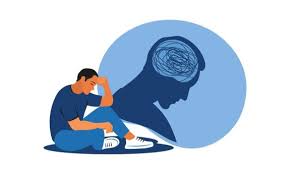
Workplace pressure, financial responsibilities, family obligations, relationship difficulties, and social isolation are among the common factors that can affect men’s mental health. Health professionals warn that untreated mental health conditions can negatively impact physical health, productivity, and personal relationships.
Seeking professional help, maintaining healthy social connections, exercising regularly, and adopting stress-management techniques can significantly improve mental well-being. Friends, families, and communities also play a crucial role by creating supportive environments where men feel comfortable expressing their feelings.
Experts emphasize that mental health is not a sign of weakness but an essential component of a healthy and fulfilling life. By encouraging open conversations and reducing stigma, society can help more men access the support they need and improve their quality of life.
Men’s mental health is an important yet often overlooked health concern. Mental health can affect males differently than females.
Both men and women experience mental health difficulties. However, there are some notable differences between the issues affecting them and the factors that influence those issues.
sHow mental health issues affect men differently
Mental health issues affect men and women differently in the following ways:
Differences in condition prevalence and suicide rates
Women are more likelyTrusted Source to experience mental health conditions than men. They are also more likelyTrusted Source to attempt suicide.
However, men are more than 3.5 times more likely to die from suicide than women. This may be because they tend to choose more lethal weapons, such as firearms.
Different influencing factors
Men’s issues can develop from different causes and triggers than those that affect women.
For example, men’s issues often stem from societal expectations and traditional gender roles, which may lead men to think that they must:
- be the breadwinners in the family
- display traditional “masculine” traits, such as strength and control
- rely on oneself and not seek help from others
- not speak openly about their emotions
Holding on to these traditional beliefs can negatively impact men’s mental health and keep them from accessing support and treatment.
Differences in seeking help
Men are far less likely trusted Source than women to seek treatment for issues such as depression, substance abuse, and stressful life events. According to Mental Health America, this is due to:
- social “norms”
- a reluctance to talk
- downplaying their symptoms
A National Health Interview Survey reports that just 1 in 3 men took medication for daily feelings of depression or anxiety, while just 1 in 4 spoke to a mental health professional.
Men’s health resources
The signs and symptomsTrusted Source of a mental health condition will depend on the type, but there are some symptoms that people can look out for. These include:
- aggressiveness, anger, and irritability
- changes in mood or energy levels
- changes in appetite or sleeping habits
- difficulty focusing
- feeling restless or “on edge”
- a high consumption of alcohol
- inappropriate use of drugs
- participating in risky activities
- feeling sad, hopeless, numb, or emotionally “flat”
- having aches, pains, or other physical symptoms without a clear cause
- obsessive or compulsive thoughts or behaviors
- thinking or acting in a way that causes concern to others or has a negative impact on work, social, or family life
- thinking about or attempting suicide
If a person notices these symptoms in themselves or if a loved one spots them, it is a good idea to seek medical help.
Treating mental health issues in the early stages can often prevent the symptoms from becoming more severe and lower the risk of complications.
Therapy That’s With You Through It All
Feeling overwhelmed, stuck, or stressed? We’re here for you. Fill out a short questionnaire, check your coverage, and join over 6 million people worldwide who have found online support through BetterHelp.
Several factors increase the risk of mental health conditions and suicide among men. The following groups may be more at risk than others:
- Older, white men: White men aged 85 years and older are most at risk of suicide. More men in this demographic die by suicide every year than in any other group by age, sex, or race.
- Men who have experienced trauma: Traumatic events, such as engaging in combat or being the victim of an assault, increase the risk of experiencing post-traumatic stress disorder (PTSD).
- Men experiencing employment issues: Working in poor conditions or having a high workload can increase the risk of mental health issues. Unemployment and retirement also increase the riskTrusted Source of depression and suicide.
- Men who have had a marital breakdown: Depression is more common, and more severe, among men who are divorced. One studyTrusted Source suggests that being single is a significant suicide trigger among men.
- Men with legal or financial concerns: Having legal or financial worries can trigger the development of mental health problems and increase the risk of suicide.
- Men who misuse alcohol or drugs: Men are more likelyTrusted Source to engage in illicit drug use and alcohol use, which can trigger or exacerbate mental health conditions.
- Men with a family history of mental health issues: Many psychiatric conditions — including bipolar disorder, depression, and schizophrenia — run in familiesTrusted Source, suggesting a genetic component.
- Men dealing with other life challenges: Other risk factorsTrusted Source for mental health problems and suicide include physical illness or discomfort, conflict with family or friends, and the illness or death of a family member.
Common mental health conditions in men
Some of the most prevalent mental health conditions among men are:
Depression
Depression is characterized by a persistent low mood that interferes with everyday functioning. Worldwide, it is one of the most common mental health conditions.
Depression is almost twice as commonTrusted Source in women as men. However, men are far less likely trusted Source than women to seek treatment for it.
Anxiety disorders
Anxiety disorders are characterized by intense and uncontrollable feelings of fear and worry.
The most common type, generalized anxiety disorder (GAD), often co-occurs with depression. Although women are twice as likely to experience GAD, men are less likely to seek treatment for it.
Other types of anxiety disorders, such as social anxiety disorder and obsessive-compulsive disorder (OCD), are equally common among men and women.
Social anxiety disorder causes intense anxiety and fear in social situations, while OCD causes the continuous repetition of specific thoughts (obsessions) or a compulsive need to perform specific routines repeatedly (compulsions).
Schizophrenia
Schizophrenia is a severe mental health condition wherein people do not interpret reality as it is. They experience hallucinations, delusions, and other forms of disordered thinking.
Schizophrenia can have a significant impact on quality of life and relationships. Of those who receive a schizophrenia diagnosis by the age of 30 years, 90% are men.
PTSD
PTSD is a condition characterized by symptoms of reliving a traumatic experience, avoidance, and hyperarousal.
Research indicates that around 60% of men experience at least one traumatic event in their lifetime, while 50% of women do. Types of trauma differ, with men being more likely to experience:
- accidents
- assaults
- combat
- natural disasters
- witnessing a death or injury
Women are more likely to experience sexual assault or child sexual abuse.
Although men have a higher risk of traumatic events, women are more likely to develop PTSD.
Substance abuse
Across most age groups, men have higher ratesTrusted Source of use or dependence on illegal drugs and alcohol than women. They are also more likely to require an emergency department visit and die from overdose.
According to the National Institute on Alcohol Abuse and AlcoholismTrusted Source, 68,000 men die annually from alcohol-related causes, compared with 27,000 women.
Although many men are reluctant to seek and continue Trusted Source treatment for mental health issues, it is a vital step in recovery. With effective treatment, people can learn to manage their symptoms and begin to feel better.
Some treatment options include:
Psychotherapy
Therapy can help people work through issues that have triggered mental health conditions. It can also help individuals manage their symptoms, change their negative thoughts and unhelpful behaviors, and learn new coping skills.
There are many different styles of therapy. In order for it to be effective, it is essential that people find the right therapist and type of therapy for them.
Medication
A doctor may prescribe medication to treat various mental health conditions or symptoms associated with those illnesses.
For example, they may prescribe:
- antidepressants
- antianxiety medications
- antipsychotic drugs
- sleep aids
Typically, doctors will recommend that people use medications in combination with psychotherapy.
Lifestyle changes
Making positive lifestyle changes can make a significant contribution to mental well-being.
For example, it is important to:
- Eat a balanced diet.
- Get enough sleep.
- Exercise on most days.
- Manage stress through meditation or yoga, or in other ways.
- Limit or avoid the use of alcohol and drugs.
Peer support
Attending a support group or group counseling can be very helpful for those with a mental health condition.
There is no sure way to prevent mental health conditions. However, the following steps may reduce the risk of developing one:
- Communicate with family and friends, especially during stressful periods.
- Seek treatment promptly if any symptoms of poor mental health develop.
- Continue with maintenance treatment to prevent relapses of depression or other mental health conditions.
- Learn to manage stress through meditation, mindfulness, creative outlets, or other methods.
- Practice positive lifestyle choices, such as eating well, sleeping enough, and exercising.
- See a therapist for issues such as low self-esteem or childhood trauma, which could trigger mental health problems later in life.
There are several things a person can do to help a loved one with mental health issues. For example:
- Look for changes in the person’s behavior and mood. These may indicate the development of a mental health issue.
- Talk to the person and ask them how they are feeling. This is especially important if they have just experienced an upsetting event, such as divorce, bereavement, or retirement.
- Encourage them to talk to their doctor or a mental health professional.
- Offer to look up treatment providers, make an appointment for them, or attend the treatment with them.
- Check in with them regularly to see how they are.
- If someone is at risk of suicide, do not leave them alone. Call 911 and wait with them until help arrives.
If you’re calling on behalf of someone else, stay with them until help arrives. You may remove weapons or substances that can cause harm if you can do so safely.
If you’re not in the same household, stay on the phone with them until help arrives.
Men’s mental health issues differ from women’s in many ways, yet they are just as important. One concerning aspect is that men are more reluctant to seek treatment for issues they face. The risk of suicide is also much higher among men.
However, seeking and continuing treatment can have a significant positive impact on the lives of men who experience mental health difficulties. Seeking support from health professionals and loved ones can ease the symptoms, improve quality of life, and reduce the risk of suicide.
Many organizations offer support to those experiencing mental health challenges, and many focus solely on providing information and help to men.