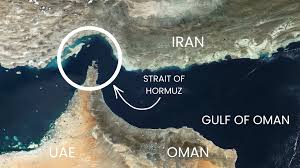
The Strait of Hormuz remained shut on Friday, while Israel exchanged fire with Hezbollah in Lebanon developments both United States and Iran called violations of their ceasefire agreement, just as they prepare for their first peace talks of the war.
The two-day-old truce has paused U.S. and Israeli air strikes on Iran but has failed to reopen the vital shipping lane, triggering the largest disruption to global energy supplies on record. It has also done little to ease the parallel conflict between Israel and Iran-backed Hezbollah in Lebanon.
U.S. President Donald Trump criticized Iran, saying it was doing a “very poor job” of allowing oil shipments through the strait. In a separate message, he suggested oil flows would resume, though he gave no details.
Tehran, meanwhile, accused Israel of breaching the truce through continued attacks in Lebanon, including a major strike hours after the ceasefire began that reportedly killed more than 250 people in densely populated areas.
Iran insists the ceasefire should extend to Lebanon a stance initially backed by Pakistan, which helped mediate the deal. However, Israel and the United States maintain that Lebanon is not covered. In a shift, Israel said Thursday it would begin separate talks with the Lebanese government aimed at ending the conflict there and disarming Hezbollah.
Despite the escalating tensions and mutual accusations, both sides are still expected to proceed with their first direct talks, scheduled to begin Saturday in Islamabad.
Authorities have imposed a full lockdown in the city center, establishing a high-security “red zone” around a luxury hotel designated to host the delegations.