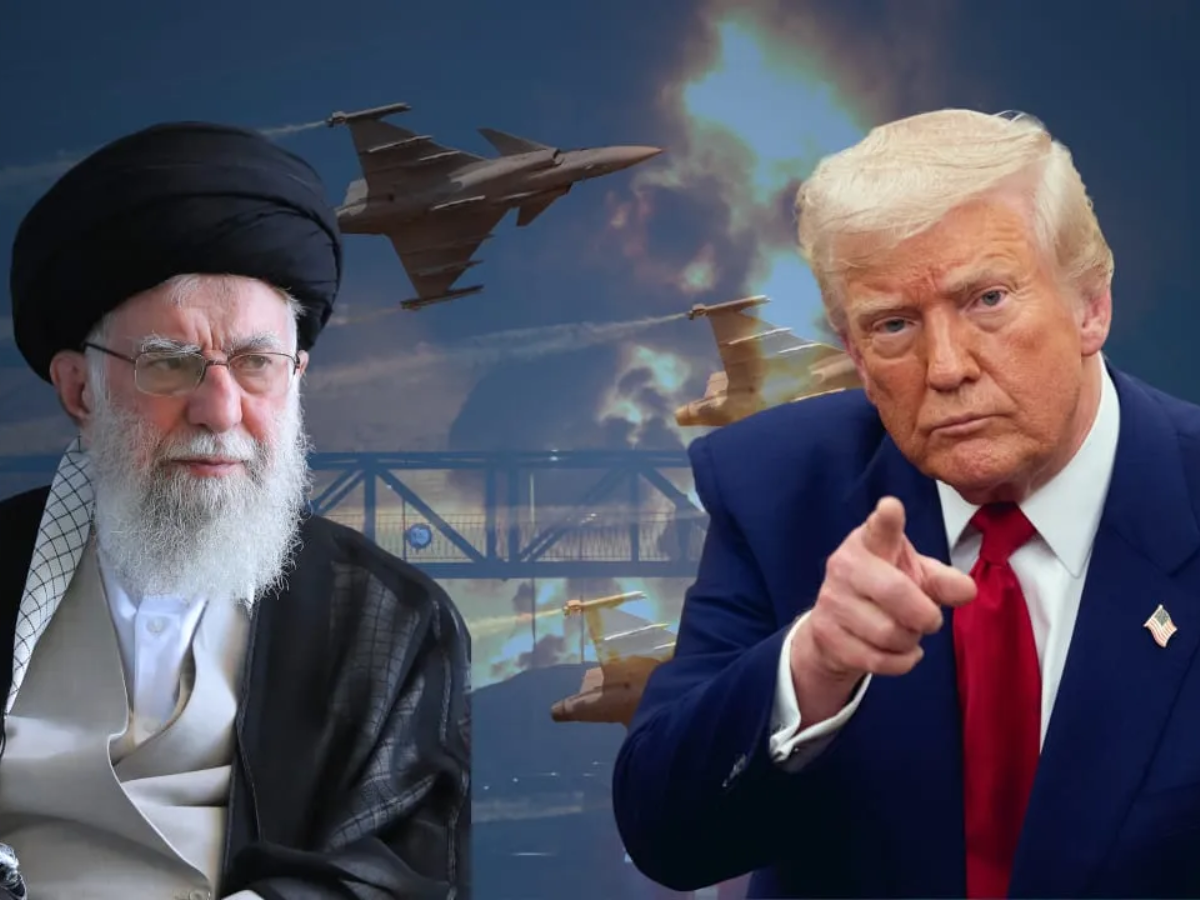
The United States and Iran have agreed to a two-week ceasefire, stepping back from the brink of wider conflict just an hour before President Donald Trump’s deadline for Iran to concede expired.
Trump said he would suspend planned attacks on Iranian bridges and power plants targets widely considered civilian infrastructure on the condition that Tehran ensures the “complete, immediate, and safe” reopening of the Strait of Hormuz.
Iran’s Supreme National Security Council confirmed acceptance of the truce and announced that negotiations with the US would begin in Islamabad on Friday. Foreign Minister Abbas Araghchi stated that passage through the strait would resume under Iranian military oversight, though the extent of access remains unclear.
Uncertainty persists over when the ceasefire will formally take effect, as hostilities continued across the region early Wednesday. Israel confirmed its participation in the truce, though Prime Minister Benjamin Netanyahu’s office noted that the agreement does not extend to Lebanon, where fighting with Hezbollah is ongoing.
A controversial 10-point peace framework proposed by Iran includes provisions allowing both Iran and Oman to collect transit fees from vessels using the Strait of Hormuz. Tehran is also pushing for the withdrawal of US forces from the region, the lifting of sanctions, and access to frozen assets.
Global markets reacted sharply to the announcement. Oil prices plunged by more than 17%, while stock markets in Asia surged, reflecting cautious optimism. The conflict had driven up fuel costs significantly, intensifying domestic pressure on Trump.
Despite diplomatic progress, violence has not subsided. Airstrikes and missile exchanges continued across Iran, Israel, and Gulf states, with infrastructure and energy facilities among the targets. A gas processing plant in Abu Dhabi was reportedly set ablaze amid ongoing attacks.
The war has inflicted heavy casualties and displacement across the region. More than 1,900 people are reported dead in Iran, while over 1,500 have been killed in Lebanon alongside mass displacement. Additional fatalities have been recorded in Israel, Gulf states, and among US forces.
The ceasefire offers a narrow window for diplomacy but with active fighting still underway, it remains a fragile pause in a volatile conflict.