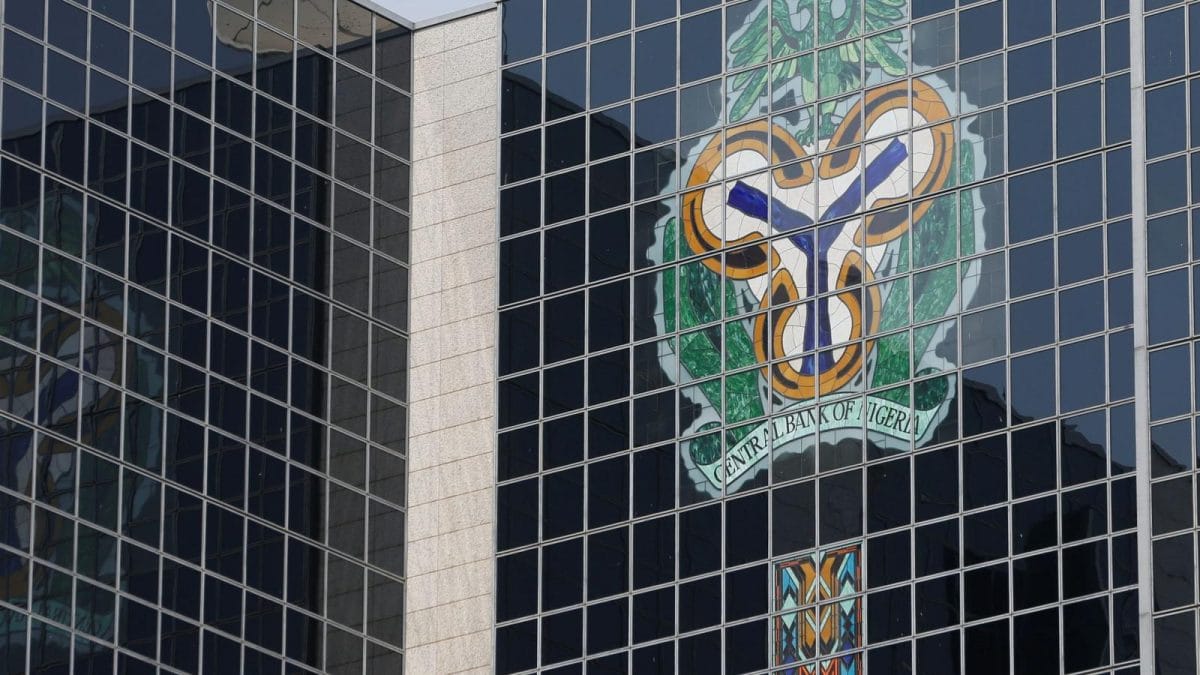
In less than three years, the Central Bank of Nigeria (CBN) has engineered a dramatic turnaround of Nigeria’s economy, moving it from the brink of financial collapse to a path of stability, sustainable growth and renewed investor confidence. Analysts say the transformation represents one of the most significant monetary policy interventions in Nigeria in decades.
By 2023, Nigeria’s economic outlook had become dire. Once Africa’s largest economy by GDP in 2014, the country had slipped to fourth place behind South Africa, Egypt and Algeria. Inflation surged to 22.4%, foreign reserves fell sharply, and the naira depreciated rapidly.
The CBN also struggled to clear a reported $7 billion backlog in matured foreign exchange obligations, while fuel subsidies and heavy monetary financing stretched policy tools to their limits.
Public confidence in the banking system weakened significantly, and experts warned that Nigeria risked heading down the same economic path as Venezuela and Zimbabwe if urgent reforms were not implemented.
When President Bola Ahmed Tinubu assumed office in May 2023, he inherited what many described as a near-bankrupt economy with the naira in free fall. Immediate reforms were introduced, including the removal of fuel subsidies and the liberalisation of the foreign exchange market, although the changes initially coincided with severe monetary instability.
Tinubu also suspended and later removed former CBN governor Godwin Emefiele, replacing the leadership with a new team headed by Olayemi Cardoso, a former head of Citigroup Nigeria.
The new leadership faced a difficult task but moved quickly to restore the bank’s autonomy, end fiscal monetization, clear FX backlogs and address opaque currency swap arrangements.
Cardoso’s policy direction focused on disciplined and orthodox monetary management. Quasi-fiscal interventions introduced during the COVID-19 period were halted, internal restructuring improved efficiency, and a new compliance framework strengthened oversight of financial crime, corporate governance and ESG standards. The bank also introduced AI-enabled tools to modernize operations and improve transparency.
One of the most visible reforms occurred in the foreign exchange market. The CBN replaced the multiple exchange rate windows with a more transparent, market-driven system using the Electronic Foreign Exchange Matching System (EFEMS). Real-time monitoring, ethical guidelines for dealers and the clearance of FX backlogs helped restore market confidence.
The gap between official and parallel market rates, which once exceeded 60%, dropped to below 2%, while gross external reserves rose to $46.7 billion by November 2025 the highest level in nearly seven years.
Inflation control became another major priority. Through aggressive interest rate hikes from 18.75% in 2023 to 27.5% in 2024 and tighter monetary policy, inflation fell from a 28-year high of 34.8% to 15.1% by January 2026.
As price pressures eased, the CBN cautiously reduced interest rates to 26.5% in early 2026, signaling a gradual reduction in borrowing costs.
Banking sector reforms were also introduced alongside monetary changes. A bank recapitalization programme launched in 2024 increased capital requirements and strengthened financial sector resilience. More than 33 banks have already met the new capital thresholds, while expanded support for microfinance and digital lending has improved access to funding for over 1.2 million small businesses. The adoption of Basel III standards and regular stress testing further strengthened financial system stability, while fintech and cryptocurrency regulations were also enhanced.
In the payments and cash management space, the CBN overhauled the cash lifecycle, improved ATM regulation and modernized payment infrastructure. Digital finance initiatives now serve more than 12 million users, while the e-naira is being repositioned for broader commercial bank adoption to deepen financial inclusion.
Nigeria’s economic reforms also gained international recognition. Fitch upgraded Nigeria’s credit rating from B- to B (stable) in April 2025, while Moody’s raised the country’s rating from Caa1 to B3. Nigeria’s 2025 Eurobond issuance was oversubscribed five times, reflecting renewed investor confidence, and the country’s removal from the Financial Action Task Force grey list highlighted improvements in anti-money laundering compliance and governance standards.
Despite the progress, challenges remain. Inflation has not yet returned to single digits, bank recapitalization is still ongoing, and legal reforms to strengthen CBN independence are yet to be fully implemented. Analysts emphasize the need for continued transparency, stronger institutions and further modernization of monetary laws.
For now, however, many analysts believe the CBN’s decisive leadership and disciplined policies have fundamentally changed Nigeria’s economic trajectory, marking a transition from crisis management to macroeconomic stability.