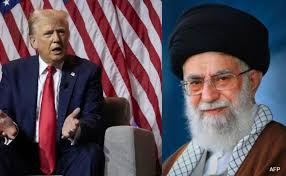
Iran has strongly rejected suggestions by the United States that it should have a role in determining the country’s next leader following the death of Supreme Leader Ayatollah Ali Khamenei.
The Iranian Ambassador to Nigeria, Gholamreza Ahdavi Raja, said Iran would independently decide its leadership and political future without external interference.
Speaking during a press conference in Abuja, the envoy criticized comments by U.S. President Donald Trump, who indicated that Washington should be involved in shaping Iran’s future leadership.
According to Raja, Iran is a sovereign state and will not allow foreign governments to dictate its internal affairs.
He emphasized that decisions about leadership will be made solely by the Iranian people, adding that Iran would continue to safeguard its national interests and political independence.
Trump had earlier encouraged Iranians to take control of their country’s leadership following confirmation of Khamenei’s death in an attack over the weekend. In an interview with Axios, Trump said he believed the United States should play a role in the selection of Iran’s next leader.
The Iranian ambassador dismissed the suggestion, describing it as another example of long-standing U.S. interference in Iranian domestic affairs.
Raja also reassured Nigerians living in Iran that they remain safe despite the escalating regional tensions. According to him, there have been no reports of casualties involving Nigerian citizens in cities such as Tehran or Qom.
He noted that diplomatic relations between Nigeria and Iran remain strong, highlighting that both countries have maintained ties for more than 55 years. Cooperation between the two nations spans several sectors including energy, agriculture, industry, politics, and education.
The ambassador further condemned the recent attacks on Iran, describing them as deliberate acts of military aggression that violate international law and the United Nations Charter.
He argued that the international community, including the United Nations Security Council and the European Union, had failed to respond adequately to the conflict.
Raja alleged that global institutions had remained silent despite the escalating crisis and questioned whether the United Nations was being influenced by the United States.
According to him, the UN was created to protect global peace and security but had not taken decisive action against what he described as acts of aggression against Iran.
The envoy maintained that Iran has not initiated war against any country for more than 200 years and accused the United States of repeatedly engaging in military interventions worldwide since the end of the Second World War.
He also cited provisions of the UN Charter, including Article 51, which allows nations to defend themselves against armed aggression.
While insisting that Iran is committed to peace and regional stability, the ambassador stated that the country would not hesitate to defend its sovereignty and legitimate rights.