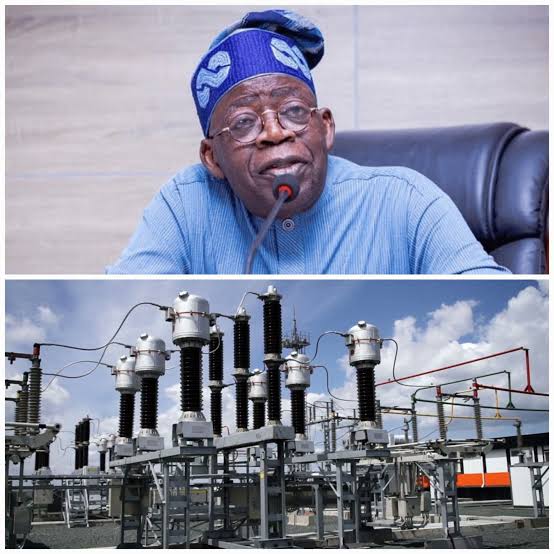
Nigeria’s worsening electricity crisis has intensified economic pressure on households and businesses, with prolonged power outages forcing consumers to spend more on petrol, diesel and other alternative sources of energy to sustain their daily activities.
The deteriorating situation, which has affected Lagos, Abuja and several other parts of the country, has triggered renewed frustration among electricity consumers, many of whom are struggling with rising living costs, expensive electricity alternatives and declining purchasing power.
The crisis became more pronounced on Sunday, November 8, when electricity generation on the national grid dropped to approximately 2,945 megawatts as of 11am, according to figures monitored on the Nigerian Independent System Operator (NISO) platform.
The development reportedly left 12 power generation plants recording zero output, further exposing the challenges confronting Nigeria’s electricity sector.
Among the affected facilities were Geregu NIPP, Alaoji NIPP, Ihovbor NIPP, Kainji, Okpai, Sapele, Shiroro and Trans Afam Power.
For millions of Nigerians, the consequences extend beyond the inconvenience of living without electricity. Households are increasingly spending scarce resources on petrol-powered generators, while small businesses are facing mounting operational expenses.
Manufacturers, restaurants, barbershops, cold-room operators, welding workshops and other small-scale enterprises have been particularly affected, with some businesses forced to increase the prices of their products and services to accommodate higher energy costs.
The situation has also raised questions about the effectiveness of government interventions and successive reforms aimed at addressing the country’s longstanding electricity challenges.
Gas supply dispute compounds crisis
The Nigerian Independent System Operator identified inadequate gas supply to thermal power stations and reduced water inflows into hydroelectric reservoirs as major factors responsible for the decline in electricity generation.
However, the Nigerian National Petroleum Company Limited (NNPC) disputed suggestions that its gas transportation infrastructure was responsible for the worsening situation.
The national oil company maintained that its gas transportation network remained available to support deliveries to power generation facilities, adding that gas production had increased by approximately 10 per cent year-to-date in 2026.
The disagreement has intensified concerns over the relationship between gas producers, suppliers and electricity generation companies, particularly regarding the actual volume of gas reaching power stations.
Meanwhile, the Transmission Company of Nigeria (TCN) and Ikeja Electric have exchanged accusations over recent electricity disruptions in Lagos.
While Ikeja Electric attributed some outages to grid instability, TCN challenged the explanation, insisting that inadequate generation and distribution network challenges were responsible for most of the interruptions.
Government promises intervention
The Minister of Power, Joseph Tegbe, has acknowledged the difficulties facing consumers, attributing the latest disruptions to maintenance activities at generating facilities, gas supply constraints and reported sabotage of critical transmission infrastructure.
The minister reportedly promised that efforts were underway to restore affected generating units, improve gas supply and accelerate repairs to damaged infrastructure.
He also indicated that some generating units could return to operation within 48 to 72 hours.
Despite these assurances, consumers remain concerned about the absence of a lasting solution to Nigeria’s electricity challenges.
Industry observers have repeatedly called for increased investment in generation, transmission and distribution infrastructure, alongside improved gas supply arrangements and financial stability across the electricity value chain.
For many Nigerians, reliable electricity remains essential to economic survival, particularly as businesses struggle with inflation and increasing operating expenses.
Unless the government and electricity operators address the structural problems undermining the sector, the worsening power crisis could further weaken household incomes, discourage investment and deepen the financial difficulties confronting millions of Nigerians.