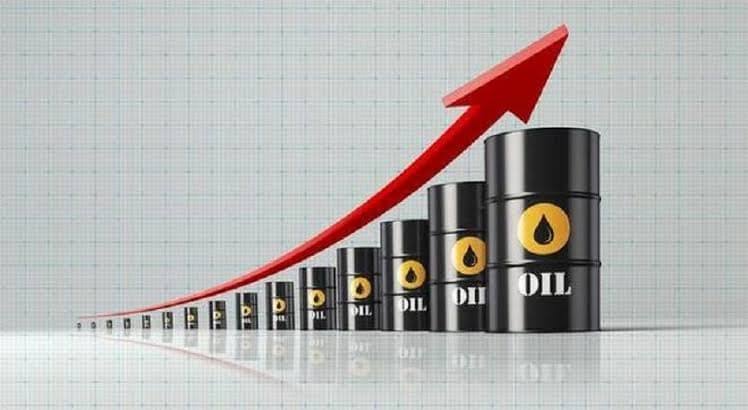
Global oil prices have continued to rise despite a significant recovery in crude oil exports from the Middle East, as persistent security threats, escalating tanker attacks and expensive shipping arrangements keep energy markets on edge.
The development highlights the fragile nature of the global oil market, where increased supply has so far failed to ease concerns about possible disruptions to shipments from one of the world’s most important oil-producing regions.
According to market reports, Middle Eastern oil exports have rebounded strongly in October, with shipments averaging approximately 17.3 million barrels per day, exceeding the pre-war average of 16.9 million barrels per day.
Traffic through the strategically important Strait of Hormuz has also improved, reaching approximately 11.7 million barrels daily, supported partly by protected shipping convoys and alternative transportation arrangements.
However, the recovery has come amid renewed attacks on oil tankers and continuing geopolitical tensions involving Iran, the United States and other regional actors.
Industry analysts warn that the improvement in export volumes does not necessarily translate into normal operating conditions, particularly as shipping companies continue to face increased insurance premiums, security expenses and transportation costs.
According to market intelligence, tanker rates for shipments from the Middle East to China have climbed to approximately $1.4 million daily, more than 12 times their pre-conflict levels. Insurance costs have also increased substantially, reaching about 10 per cent of cargo value.
These additional expenses have contributed to keeping crude prices elevated despite improving supply.
On Friday, October 30, oil prices recorded further gains amid fresh concerns about security in the Strait of Hormuz. December Brent crude futures rose 1.4 per cent to $116.53 per barrel, while United States West Texas Intermediate crude gained 1.3 per cent to $103.34 per barrel.
The latest market movement followed reports of an attack on an oil tanker in the region, reinforcing fears that renewed hostilities could undermine the fragile recovery in Middle Eastern exports.
The International Energy Agency has also warned that the recovery in Gulf oil production and exports remains vulnerable to renewed attacks on regional energy infrastructure and shipping routes.
Its October oil market report indicated that crude exports from Gulf producers increased significantly in September, reaching 13.9 million barrels per day, as Saudi Arabia and other producers restored disrupted supply routes.
Nevertheless, global oil inventories remain considerably below pre-conflict levels, while high transportation costs continue to affect refiners and energy consumers.
For oil-importing countries, including Nigeria, sustained increases in international crude prices could have mixed economic implications, depending on domestic production, refining capacity, fuel pricing and exchange-rate conditions.
Although higher crude prices could improve government revenue and foreign exchange earnings, they may also increase domestic energy costs and inflationary pressures.
Market watchers believe oil prices could remain volatile in the coming weeks as investors monitor developments in the Middle East, diplomatic negotiations and the security of international shipping routes.
The central concern is whether the current export recovery can be sustained without further military escalation or disruptions to global energy supply.