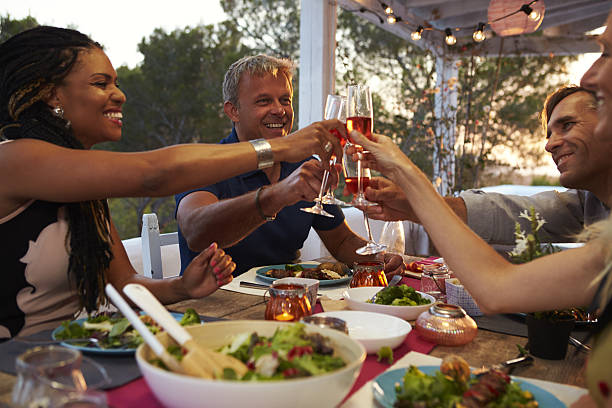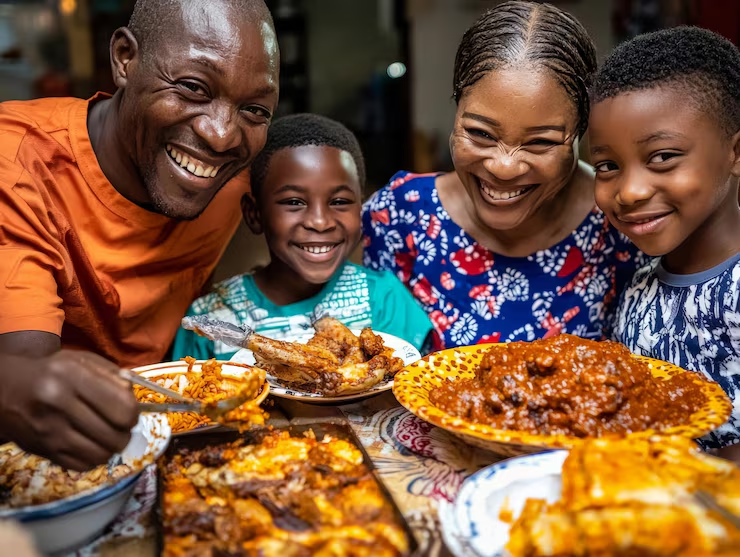
Nigeria’s food culture remains one of the country’s most colourful expressions of hospitality, tradition and togetherness. Across the country’s diverse ethnic groups, food is more than nourishment; it is an essential ingredient of social life, family bonding, celebrations and relaxation.
For couples and families considering a weekend getaway, picnic or recreational outing, the availability of delicious local cuisine is often among the major attractions.


Beyond beautiful scenery, comfortable accommodation and exciting recreational activities, visitors want destinations where they can enjoy satisfying meals, explore different flavours and create lasting memories around the dining table.
For many Nigerian families, a successful weekend outing begins with choosing a destination that offers something for everyone, particularly when it comes to food.
Parents often look out for hygienic restaurants, affordable meal options, spacious dining areas, child-friendly menus and environments where children can eat and play comfortably.
Couples, on the other hand, may prioritise romantic settings, beautiful outdoor dining spaces, intimate restaurants, quality service and menus that offer a mixture of traditional and continental dishes.
The opportunity to enjoy a quiet meal, share a delicious platter and escape the pressures of everyday life makes a weekend retreat particularly appealing.


Nigeria’s culinary diversity provides an exciting menu for such experiences.
From the South-West comes the ever-popular amala served with ewedu and gbegiri, accompanied by assorted meat, ponmo and spicy stew. The combination remains a favourite among lovers of indigenous Yoruba cuisine.
In the South-East, dishes such as ofe onugbu (bitter leaf soup), oha soup, nsala soup and abacha, popularly known as African salad, offer distinctive flavours that celebrate Igbo culinary heritage.
Served with pounded yam, fufu, garri or other traditional accompaniments, these delicacies provide a satisfying dining experience.
The South-South region also boasts mouth-watering dishes, including afang soup, edikang ikong, fisherman soup and fresh seafood prepared with rich local spices. These meals are particularly attractive to visitors who enjoy fish, prawns, periwinkles and other seafood delicacies.
Meanwhile, Northern Nigerian cuisine offers equally irresistible choices, including tuwo shinkafa with miyan kuka, masa, suya, kilishi and the famous northern jollof rice.
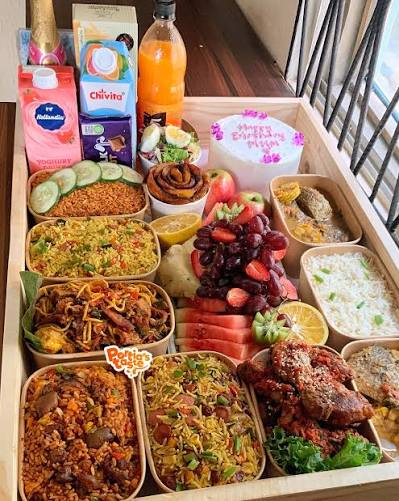
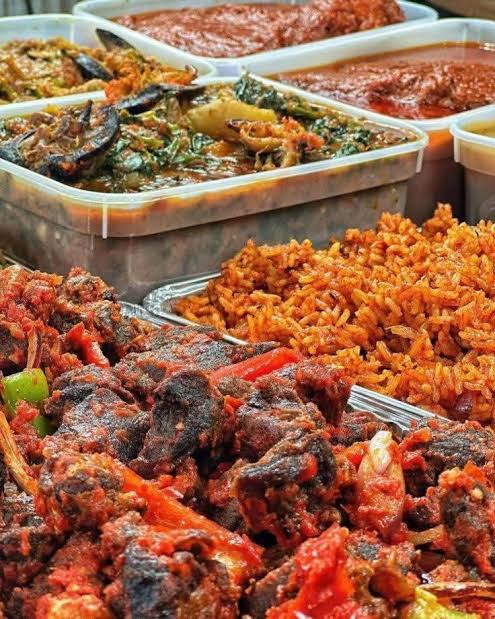
No Nigerian food experience is complete without the country’s beloved party favourites. Well-prepared jollof rice, fried rice, grilled chicken, barbecue fish, peppered turkey, moi moi and fried plantain remain popular choices for group outings and family celebrations.
For outdoor relaxation, freshly grilled catfish served with spicy pepper sauce, yam chips, roasted plantain and cold drinks can transform an ordinary afternoon into a memorable experience. A bowl of steaming goat meat pepper soup or assorted meat pepper soup is another delicacy capable of adding excitement to an evening gathering.


Beyond the meals themselves, visitors increasingly consider cleanliness, food presentation, reasonable prices, attentive hospitality, parking facilities, security and accessibility when selecting weekend destinations.
Ultimately, Nigeria’s food culture provides an opportunity to reconnect with family traditions, discover regional delicacies and celebrate relationships.
Whether it is a couple enjoying grilled fish beside a swimming pool, children sharing fried rice and chicken during a family picnic, or relatives gathering over a pot of freshly prepared native soup, good food has a special way of bringing people closer.
Indeed, the perfect weekend getaway is not measured only by where people visit, but also by the unforgettable flavours, laughter and shared experiences they take home.