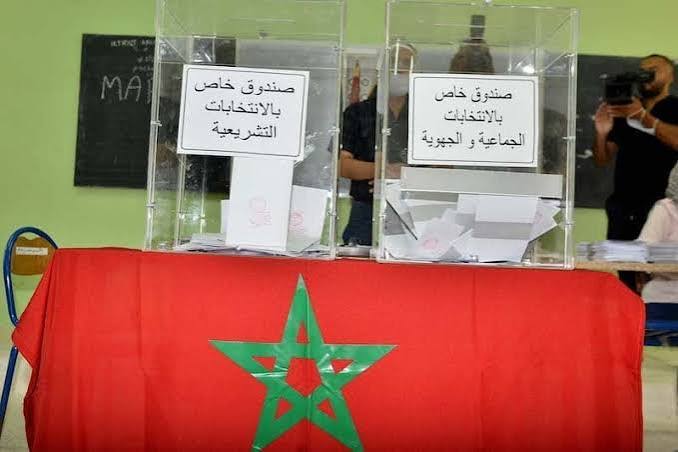
Morocco is holding its parliamentary elections on Wednesday, September 23, 2026, in a closely watched vote that will determine the composition of the country’s House of Representatives and shape the next phase of national government.
The election is the 12th legislative poll since Morocco gained independence. A total of 395 parliamentary seats are being contested under a system of direct universal suffrage using party lists.
Official figures show that 15,801,162 voters are registered, with women accounting for 46 per cent and men 54 per cent of the electorate.
Twenty-eight political parties, including a coalition created specifically for the election and two independent candidate lists, are competing for parliamentary representation.
More than 7,200 national-level candidacies have been registered, while thousands of additional candidates are contesting local electoral districts.
The election comes against a backdrop of growing concern over youth unemployment, economic inequality and access to public services.
Reuters reported that youth unemployment stood at about 27 per cent during the election campaign, while the Associated Press cited a rate of 37 per cent for young people aged 15 to 24 in 2025.
These pressures have contributed to political frustration among some young Moroccans.
Employment has consequently emerged as one of the central campaign issues. The governing National Rally of Independents and Authenticity and Modernity Party have highlighted job creation and major infrastructure investment, including projects connected with Morocco’s preparations to co-host the 2030 FIFA World Cup.
Opposition parties have focused more heavily on institutional reform and reducing regional and socioeconomic disparities.
Youth participation is another major issue. Official election figures indicate that voters aged between 18 and 24 account for only four per cent of registered voters, while 29 per cent are aged 60 or above.
Analysts and young voters interviewed by international media have pointed to widespread skepticism about whether political parties can deliver meaningful improvements in employment, education, housing and healthcare.
The election also takes place within Morocco’s distinctive constitutional system, in which the monarchy retains significant powers alongside elected institutions. This has made the role and influence of political parties an important subject of public debate.
The Moroccan government has described the election as an opportunity to strengthen confidence in representative institutions and encourage greater participation in political life.
Authorities have also activated national and regional monitoring committees to oversee the electoral process.
Voting is taking place nationwide on September 23, with provisional results expected from September 24.
The formation of a new government will follow validation of the election results and the subsequent appointment of a head of government.
As ballots are counted, attention will extend beyond which parties gain parliamentary seats to what the new political configuration means for Morocco’s economic reforms, youth employment, public services and preparations for major international commitments, including the 2030 World Cup.
For many voters, particularly younger Moroccans, the election represents an opportunity to determine whether the country’s economic growth and ambitious development projects can translate into better employment prospects and improved living standards.