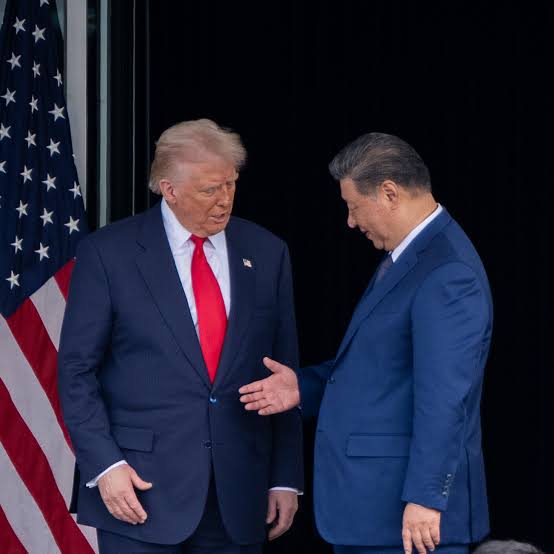
Chinese President Xi Jinping is scheduled to visit Washington from September 23 to 25 for a closely watched summit with United States President Donald Trump, as the world’s two largest economies seek to manage tensions over trade, technology and security.
The meeting, scheduled for September 24, will be the second encounter between the two leaders this year and comes at a critical moment for US-China relations.
The summit is expected to focus heavily on the future of the fragile trade truce between Washington and Beijing.
The agreement helped prevent another major escalation in tariffs and trade restrictions, but tensions remain over market access, trade imbalances, industrial policy and the movement of sensitive technologies.
US and Chinese economic officials held preparatory discussions in New York ahead of the leaders’ meeting. US Treasury Secretary Scott Bessent and Chinese Vice Premier He Lifeng discussed trade, critical minerals and artificial intelligence, while officials explored arrangements for identifying non-sensitive goods that could potentially qualify for lower tariffs.
Critical minerals, particularly rare-earth materials, are also expected to feature prominently. China remains a major force in the global processing and supply of rare earths, which are essential to automobiles, electronics, defence equipment and advanced technologies.
Washington has sought greater security for these supply chains, while Beijing has objected to what it considers excessive US restrictions on Chinese technology and exports.
Artificial intelligence is emerging as another major area of discussion. During the New York talks, Washington proposed establishing an AI dialogue and a mechanism for the two countries to notify each other about serious AI-related security incidents.
US officials said the proposed arrangement was aimed at improving communication between the world’s two leading AI powers.
The two leaders are also expected to address Taiwan, one of the most sensitive issues in their relationship.
Beijing regards Taiwan as part of China and opposes US military support for the island, while Washington maintains longstanding security commitments toward Taiwan.
Any disagreement over arms sales or military activities could complicate the broader negotiations.
Iran and Ukraine may also enter the discussions. Washington wants Beijing to use its influence over Tehran, while China’s economic relationship with Iran remains an important consideration.
China’s relationship with Russia and its position on the Ukraine war also remain part of the broader strategic competition between Washington and Beijing.
Beyond the negotiations, Xi’s visit carries significant diplomatic symbolism. The Chinese president is expected to receive a formal welcome in Washington, including meetings and state events involving both leaders and their spouses.
The visit marks a major moment in the relationship after years of tariff disputes and growing competition over technology and global influence.
However, expectations for a sweeping breakthrough remain cautious. Analysts say the immediate objective may be to stabilize relations, preserve channels of communication and prevent existing disputes from escalating rather than resolve every major disagreement.
The Washington summit therefore represents a test of whether the United States and China can manage intense strategic competition while keeping trade and diplomatic engagement functioning.
Its outcome could influence global markets, technology supply chains and international security well beyond Washington and Beijing.