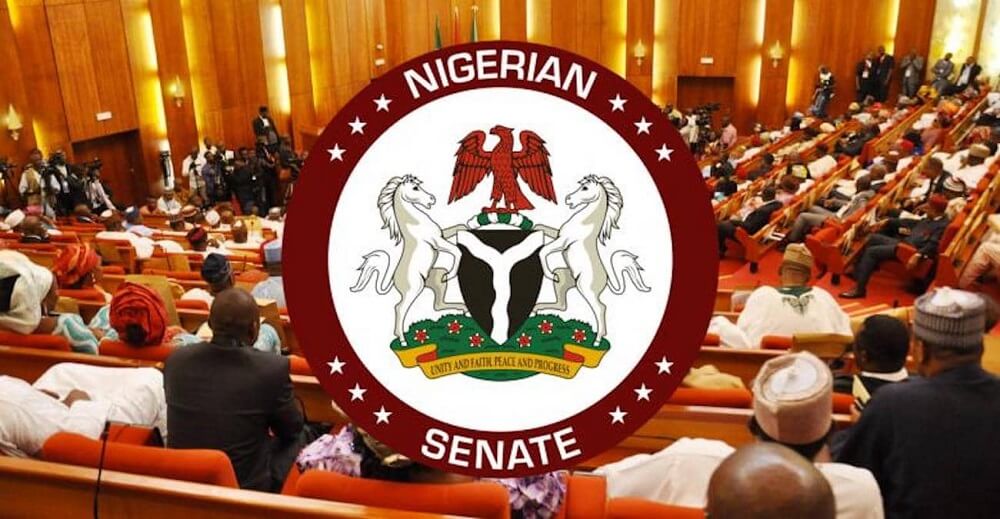
The Nigerian Senate has commenced deliberations on a motion to revisit its February 10 resolution on the Electoral Act (Repeal and Re-enactment) Bill, 2026, amid concerns that the proposed date for the 2027 general elections may coincide with the Ramadan fasting period.
The upper chamber moved into debate during plenary presided over by Senate President Godswill Akpabio, describing the move as a necessary legislative adjustment ahead of the next general elections.
Motion to rescind earlier decision
The motion, titled “Rescission and Re-Committal of the Electoral Act, 2022 (Repeal and Enactment) Bill, 2026,” was sponsored by Senator Michael Opeyemi Bamidele.
It seeks to overturn the Senate’s earlier decision to pass the Bill and re-commit it to the Committee of the Whole for fresh consideration and possible amendments.
According to the Order Paper, a further review of Clause 28 revealed that the previously approved timetable could result in the 2027 Presidential and National Assembly elections being held during Ramadan. Lawmakers expressed concern that conducting elections within the fasting period may affect logistics, voter participation, inclusiveness, and overall credibility of the electoral process.
Proposed shift in election date
To address the issue, senators are considering moving the election date from February 20 to February 13, 2027, in order to avoid a clash with Ramadan.
The Senate reconvened from its budget defence engagements to address what it described as inconsistencies and technical gaps identified in the legislation.
Multiple clauses flagged
Beyond the Ramadan-related concern, lawmakers highlighted discrepancies in several provisions of the Bill, including Clauses 1(d), 10, 22, 23, 28, 29, 32, 42, 47, 51, 60, 62, 64, 65, 73, 77, 86, 87, 89, 93, and 143.
The issues reportedly range from cross-referencing errors and serial numbering gaps to internal inconsistencies requiring technical corrections.
A Technical Committee made up of leadership from both chambers of the National Assembly, committee chairpersons, Clerks of the Senate and House of Representatives, and the Directorate of Legal Services had earlier met to harmonise the grey areas and address the anomalies.
Electronic transmission debate resurfaces
Also resurfacing in the discussions is Clause 60(3), which deals with the electronic transmission of election results.
While the House of Representatives version reportedly mandates electronic transmission, the Senate had adopted a more cautious stance, citing uneven telecommunications coverage and infrastructure limitations across parts of the country.
The divergence had earlier slowed harmonisation efforts after members of the House failed to attend a joint conference committee meeting with the Senate, escalating tensions within the National Assembly.
Implications for 2027 elections
Invoking Orders 1(b) and 53(6) of its Standing Orders, the Senate maintained that rescinding and recommitting the Bill is essential to ensure that electoral timelines uphold fairness, inclusivity, administrative efficiency, and public confidence.
With debate now underway, the Senate’s final decision is expected to play a critical role in shaping the legal and operational framework for Nigeria’s 2027 general elections.